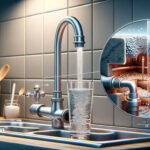
Dissolved Gases in Drinking Water: Causes and Solutions
- Published:
- Updated: January 16, 2025
Listen to this article
Summary
Dissolved gases in drinking water affect taste, safety, and infrastructure. Key points:
- Natural and man-made sources introduce gases like oxygen, carbon dioxide, and methane into water.
- Temperature, pressure, pollution, and biological activities impact gas levels.
- High gas levels can alter taste, corrode infrastructure, and pose health risks.

Water is life’s stuff but we don’t always pay much attention to the quality of the water that we drink. And dissolved gases, although they’re mostly inorganic, can shape the taste, quality and utility of our water. Knowing the sources, causes and solutions of gases in water will mean that we can drink every drop as uncontaminated as nature meant.
What are Dissolved Gases?
Water, as it is in the original state, has many gases that it has reabsorbed from the atmosphere. They are gases that, if in high enough concentrations, can change water’s properties, from its taste to its health effects. Water is often not "flat" for instance, since it’s not dissolved gases, especially oxygen.
It is through the water cycle that gases in water are introduced and distributed. Water that evaporates is left largely impure, but when it evaporates and becomes precipitation, it can evaporate gases in the atmosphere. This dissolved state is passed on as water travels in rivers, lakes and underground reservoirs, taking up gases.
Common Gases Found in Drinking Water

Water, being a universal solvent, has the ability to dissolve a wide range of gases. Some of the most common include:
- Oxygen: Crucial for aquatic life, oxygen also gives water a refreshing taste.
- Carbon dioxide: While natural to some extent, excessive CO2 can make water acidic.
- Methane: Less common but can be a concern if present due to its flammability.
- Nitrogen and other trace gases: Generally harmless but can influence water’s taste and smell.
While oxygen and nitrogen are mostly harmless, excessive carbon dioxide can lead to water acidity, which can corrode pipes and fixtures. Methane, although rare, is of particular concern due to its flammability and potential health risks if ingested in large amounts.
Natural Causes of Gas Accumulation in Water
Nature has its own way of introducing gases into water. Temperature plays a crucial role in this. As water gets warmer, its ability to hold gases decreases, leading to the release of gases like oxygen. Conversely, cold water can dissolve more gases. This is why cold mountain streams often appear crystal clear, rich in dissolved oxygen, and refreshing to drink.
Atmospheric pressure changes, especially at varying altitudes, can also impact gas dissolution. Water at sea level, being under higher pressure, contains more gases than water at higher altitudes. Additionally, biological activities, such as the respiration of aquatic animals and plants, introduce and modify the gas content in water, contributing to the balance of gases like oxygen and carbon dioxide.
Man-made Causes of Gas Accumulation
Human impact on nature is unremitting and the water we drink hasn’t been exempt. Water pollution is another, because greenhouse gas emissions cause water to contain more gases such as carbon dioxide. This doesn’t just change the flavor of water; it can also acidify it.
Chemicals and gases churn out of factories in industrial run-off that eventually drains into lakes. Run-offs from urban roads (stormwater run-off) can contain car emissions and other pollutants. What’s more, even purification plants add gases to or do not remove entirely, deteriorating the quality of the water that they deliver.
How Dissolved Gases Impact Water Quality
The smell of water with too many dissolved gases suddenly tastes different. Taste can be from bland to metallic, depending on the gasses. Gases like methane, on the other hand, can cause illnesses if inhaled in high enough concentrations, so it’s crucial to keep gas levels in the water we drink under check.
More than purely culinary and medical concerns: there’s the infrastructure problem. Debris from some gases, when compounded with other conditions such as pH issues, corrode pipes. This is not only harmful to water, but also liable to cost homeowners much in repair and replacement.
Techniques to Measure Dissolved Gases in Water
To make our water safe and taste good requires precision in measuring dissolved gas concentration. Happily, we have powerful tools for the job now, thanks to technology. Gas chromatographs, for instance, can pick up and measure even small quantities of gases in water samples so water providers and regulators have exact data to work with.
What to make of these findings matters as well. Not a matter of whether the gas is present, but how much of it there is is what affects the water quality. Skilled interpretation can direct what interventions are needed, from tweaking treatment to educating consumers about possible safety concerns.
Proven Solutions to Reduce Dissolved Gases
The solution to the problem of dissolved gases in drinking water is complex. An easier way to remove excessive gases is through aeration, which is just opening the water to the air. This technique works especially well for eliminating gases such as methane.
Vacuum deaeration is more complicated, with water being vacuumed so that any gases in it evaporate and can be expunged. Instead, activated carbon filtration – where the adsorption capability of carbon can clean away gases and other contaminants, so that the water we consume is safe and tastes good.
Implementing Solutions at Home
While the bigger issues tend to be the province of city water companies, residents are not helpless. Enormous amounts of gases can be released by naive measures like allowing tap water to stand for a few minutes before use. If you install water filters (activated carbon) they also can enhance the taste and safety.
But there’s a big difference between professional and non-professional help. Water never tastes right or the pipes are visible as corrosion — it’s time to hire a professional. It’s possible to get long-term safety and quality by testing water frequently, and reading water quality reports.
Share this on social media:
Facebook
Twitter
LinkedIn