Heavy Metals in Drinking Water: Understanding the Hidden Dangers
- Published:
- Updated: January 2, 2025
Listen to this article
Summary
Heavy metals in drinking water pose severe health risks and can originate from various sources. Key points:
- Health Impacts: Heavy metals like lead, mercury, and arsenic can cause organ damage, developmental issues, and even cancer.
- Sources of Contamination: Industrial waste, agricultural runoff, and aging infrastructure contribute to heavy metal pollution.
- Removal Technologies: Reverse osmosis, activated carbon filters, and ion exchange systems are effective methods for removing heavy metals from water.
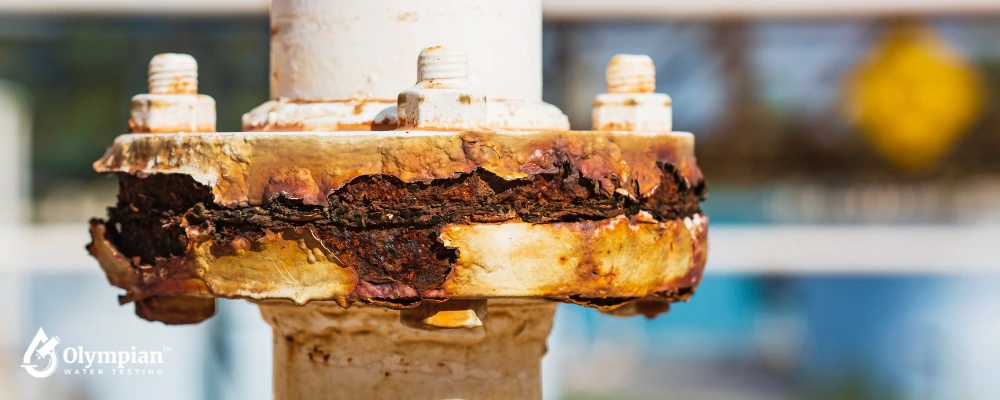
It’s critical to know the hidden hazards of heavy metals in water for public health and safety. Lead, arsenic, mercury and cadmium all leach into water supply from sources that have a harmful effect on human health. Examining the possible health impacts, contamination points and hazard mitigation strategies will help raise the public’s awareness that water testing services are needed regularly, water treatment is important, and laws are being implemented to keep water safe for consumption and to safeguard people from toxic heavy metals.
Overview of Heavy Metals and their Presence in Water
Heavy metals, even heavy they aren’t. It’s the name of any metal chemical compound with a moderately high density and that is toxic or poisonous at low levels. Some of these metals are essential for life in trace amounts (iron and zinc), but in excess or concentration with others (lead, mercury and arsenic) they can be harmful.
These metals may enter water supplies by volcanic activity and weathering of rocks or by human activity. Industry effluent, agricultural watersheds, abandoned batteries and lead pipes are the main human sources of heavy metal contamination of water.
Impact of Heavy Metals on Human Health

Drinking water laced with heavy metals has been associated with all manner of diseases, acute and chronic. These can be anything from common aches and nausea to organ damage, child neurodevelopmental disorders and cancer.
Each heavy metal is a bit different from another. For instance, lead damages just about every organ and system of your body, but especially the nervous system. Conversely, arsenic has been associated with skin, bladder and lung cancers.
What are the common heavy metals found in drinking water?
While there are numerous heavy metals that can contaminate water, a few stand out due to their prevalence and toxicity. These include:
- Lead: Often leached from plumbing systems, especially in older homes.
- Mercury: Can enter water systems from the improper disposal of certain products, such as fluorescent light bulbs, batteries, and medical waste.
- Arsenic: Commonly found in groundwater, and can cause severe health problems.
- Cadmium: Typically enters water supplies from industrial discharges and the degradation of galvanized plumbing.
Each of these metals is harmful to human health, even at low concentrations, and their presence in drinking water should be a cause for concern.
Understanding the Sources of Heavy Metal Contamination
Heavy metal contamination in water can originate from a variety of sources. Natural processes such as weathering of rocks and volcanic activity can introduce these metals into water bodies. However, human activities are often the primary contributors.
Industrial discharges, mining activities, agricultural runoff (from fertilizers and pesticides), and inadequate waste disposal all play significant roles in heavy metal pollution. Domestic sources are also a concern. Lead-based pipes, for example, can leach heavy metals into the water supply over time, particularly if the water is acidic or has a low mineral content.
What are some of the technologies used for removing heavy metals from drinking water?
When it comes to removing heavy metals from water, several technologies are commonly used. Each comes with its strengths and considerations:
- Reverse Osmosis: This process uses a semi-permeable membrane to remove a wide variety of contaminants, including heavy metals. It’s effective but can consume a significant amount of water.
- Activated Carbon Filters: While these filters excel at removing chlorine and organic compounds, they can also capture certain heavy metals.
- Ion Exchange Systems: Often used in water softeners, these systems can also remove heavy metals from water.
It’s worth noting that while each of these technologies can reduce heavy metals, they might not remove all types of metals entirely. Therefore, it is critical to understand what contaminants are in your water before selecting a treatment system.
Signs of Heavy Metal Contamination in Water
It’s hard to detect heavy metal contamination in water. Heavy metals are visually, olfactory or tasteless, in contrast to microbial contamination. This is why heavy metals in water can be ignored until adverse health impacts are felt.
Test water in a laboratory to see if the water has heavy metals. Check in regularly if you have a private well or if you have old lead plumbing. Water treatment facilities can test for you in areas where heavy metal contamination is a possibility, but you can also get DIY kits.
Preventive Measures and Safe Practices to Reduce Exposure
Prevent is always better than cure, and you can do several preventative and safety steps to help minimize your heavy metal consumption in water. Here are a few recommendations:
Be Timely: Always test your water if you take it from a private well or are in an older home.
Use Manufacturer-Accredited Filters: If heavy metals are a concern, look into getting a water filter that’s made to filter out those contaminants in your water.
Ensure Safe Waste Disposal: Dispose of items containing heavy metals (batteries, paint, electronic waste, etc.)
Heavy metals in water are the thorn in the flesh of the public health system. Identifying these hazards, how to spot a contamination and how to maintain safe water are essential. Government policies and advanced water treatment technologies are helpful but the home is where savvy people go first.
Existing Standards and Guidelines for Heavy Metals in Drinking Water
Due to the harms entail by heavy metals, medical organisations around the world have developed rules and regulations to control their presence in water supply. The World Health Organization, the Environmental Protection Agency of the United States and the European Union all have maximum levels for common heavy metals.
They aren’t universal, but these are guidelines for drinking water safety. They also note the need for regular water testing to be sure of compliance, especially in areas that are known to be contaminated or have outdated infrastructure.
Long-Term Implications of Heavy Metal Exposure
But there is more at stake here than a single, short-term health problem associated with heavy metals in water. Having heavy metals such as lead, mercury and arsenic in your system for years can produce ill health, much more difficult to treat and nefarious. To cite just one example, prolonged lead exposure leads to cognitive decline, hypertension and renal failure. In the same vein, long-term arsenic exposure strongly correlates with higher rates of cancers, cardiovascular disease and diabetes.
There are socio-economic impacts for communities that are exposed to heavy metal pollution. Chronic illness can cost a lot of money in medical care, and illness can rob us of productivity. In addition, localities can see property values drop and crop yields decline due to polluted water reducing yields. Such problems are best addressed in combination with better infrastructure, public education and strong regulatory systems for long-term exposures and reduction of contamination that exists.
Conclusion: Understanding the Hidden Dangers of Heavy Metals in Drinking Water
Bottom line: Public health and safety depends on knowing the secret hazards of heavy metals in water. Lead, mercury, arsenic and cadmium are heavy metals that have serious health effects: they damage organs, cause developmental disruption and cause cancer. Such metals can reach water sources through the natural or other human activity and this is why regular testing and good filtration techniques are essential.
Infiltration technologies such as reverse osmosis, activated carbon and ion exchange filters are necessary mitigation devices to decrease heavy metals in water. Also, prevention strategies and the following of prescribed water quality standards are critical to ensuring that communities are safe from the detrimental effects of heavy metals. With education and broader safety protocols, we can make water safer and people’s lives healthier.
Share this on social media:
Facebook
Twitter
LinkedIn

Related Posts