Decoding the Chemistry of Water Contaminants
- Published:
- Updated: January 6, 2025
Listen to this article
Summary
Water contaminants, ranging from microorganisms to heavy metals, pose significant health and environmental risks. Understanding their chemistry helps develop effective treatment methods. Governments and organizations play vital roles in advocating policies, conducting testing, and providing support for water quality protection. Regular water testing and protection of groundwater sources are essential for ensuring access to safe and clean water for all.

Water pollution is on the rise because many pollutants are bad for our health and our environment. To fix that, scientists are trying to unravel the chemistry of water pollutants, where they come from and how they behave in the environment. If scientists learn these things, they can design treatment techniques and regulations to prevent and minimize water contamination.
What are Water Contaminants?
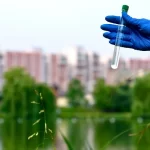
Water contaminants are substances that are present in water in concentrations that exceed natural levels or that pose a threat to human health or the environment. Water contaminants can come from a variety of sources, including industrial and agricultural activities, waste disposal, and natural sources such as minerals and organic matter.
Some common water contaminants include:
- Microorganisms, such as bacteria and viruses
- Inorganic substances, such as heavy metals and minerals
- Organic substances, such as pesticides, herbicides, and chemicals from industry and agriculture
- Radioactive substances, such as radium and uranium
Water contaminants can have a wide range of impacts on human health, depending on the type of substance and its concentration. Some contaminants, such as bacteria and viruses, can cause illness if ingested or if they come into contact with broken skin. Other contaminants, such as heavy metals, can have long-term health effects, including damage to the nervous system, kidneys, and other organs. Some contaminants, such as pesticides and herbicides, can also have endocrine-disrupting effects, interfering with hormone function and potentially leading to health problems.
The Chemistry of Water Contaminants

The chemistry of water contaminants can vary widely, depending on the type of substance and its source. Some contaminants, such as heavy metals, are inorganic and have a long half-life in the environment. Other contaminants, such as pesticides and herbicides, are organic and can break down over time.
The behavior of water contaminants can also be influenced by factors such as pH, temperature, and the presence of other substances in the water. For example, some contaminants, such as heavy metals, can form complexes with other substances in the water, affecting their mobility and behavior.
In order to effectively remove water contaminants, it is important to understand their chemistry and behavior. This can help to inform the development of treatment methods and to ensure that contaminants are removed effectively and efficiently.
Methods for Removing Water Contaminants
There are a variety of methods for removing water contaminants, including physical, chemical, and biological methods. Physical methods, such as filtration and sedimentation, can be used to remove particles and other solid contaminants from water. Chemical methods, such as oxidation and reduction, can be used to convert contaminants into a form that can be removed more easily. Biological methods, such as bioremediation, can use microorganisms to break down contaminants and remove them from the water.
Water treatment facilities can use a combination of methods to remove contaminants and ensure that water is safe for drinking and other uses. The choice of treatment method will depend on the type of contaminant, its concentration, and the specific requirements of the treatment facility.
What is the Role of Government and Organizations in Protecting Water Quality?
States and agencies are important to water quality and water safety for people and other uses. These might include lobbying for water quality and water contamination policies and laws, educating and promoting the public about the risk of water contamination and the measures that can be taken to ensure water quality.
Governments and institutions could also provide technical support and guidance to communities and citizens to maintain their water quality. This can be through information on water testing and treatment, or funding for water treatment and infrastructure upgrades. These can go a long way to make sure that we all have clean and safe water no matter where we live or what our resources are.
State and private institutions can also contribute in water quality surveillance and water-contamination incidents. It can involve water testing, surveillance of waterways for contaminants, emergency and spill response. Together, governments, organizations and communities can work to preserve water quality and ensure everyone has access to clean water.
The Importance of Regular Water Quality Testing
It is necessary to test water regularly for water quality, if you want to be sure that your water is safe for humans and others. Water quality testing can determine contaminants and whether water treatment treatments will get rid of them.
Water treatment plants, municipalities or non-governmental testing companies can all test water quality. Testing can cover several variables such as pH, temperature, heavy metals, bacteria, chemicals, etc.
It’s possible to have regular water testing that would keep water safe for people and other uses. It can also be used to monitor for contamination risks and act fast to prevent any mishaps. By testing water on a regular basis, we will save public health and the environment, and provide everyone with safe, quality water.
The Importance of Protecting Groundwater Sources
We are not living in a world where we need drinking water from our groundwater, so let’s make sure we keep this going for future generations. Substances such as farm and industrial chemicals, solid waste and underground storage tank pollutants can poison groundwater.
To safeguard groundwater, activities causing groundwater pollution need to be monitored and controlled. These can range from stricter rules for waste collection and storage to the encouragement of agriculture that avoids contamination of groundwater.
As long as groundwater is safeguarded, it will help to ensure that it’s there for those who come after us, and that people have access to safe, clean water. We can protect groundwater and make sure everyone has access to it today and in the future.
Share this on social media:
Facebook
Twitter
LinkedIn

Related Posts