Water Management Mastery: The Key to Sustainable Golf Courses
- Published:
- Updated: November 26, 2024
Listen to this article
Summary
Water management is crucial for sustainable golf courses, balancing beauty with conservation.
- Irrigation audits and smart tech optimize water use, preventing waste.
- Recycled water and drought-tolerant landscaping reduce reliance on fresh water.
- Sustainable practices enhance reputation, cut costs, and comply with regulations, benefiting both courses and the environment.

Golf courses are the epitome of glamour, opulence and rest. They have manicured greens, green-fescues and picturesque surroundings, and a quiet place to get away from everyday life. But on the backend, a golf course needs a lot of water to keep it pretty. Water management has become a major part of the sustainability of golf courses and it is the secret to knowing how to maintain golf courses.
The Importance of Effective Water Management in Golf Courses
Golf courses have a nasty habit of pumping water out of them. It requires a lot of water to keep the greens, fairways and surroundings green, and with the rise of golf courses, the water use is one of the biggest concerns. It’s important to keep water clean, so that golf courses won’t be wasted or abandoned in the future.
Water is limited, and as the world population increases, it’s becoming scarcer still. It’s the golf course’s responsibility to conserve water and do as little damage as possible. Water judiciously managed can reduce the water consumption, money and make the golf courses look and play beautiful for years to come.
What are some strategies for minimizing water waste in golf course irrigation?

One of the most significant sources of water waste in golf courses is irrigation. Irrigation systems are designed to keep the greens and fairways hydrated, but if they are not managed properly, they can result in water waste.
Here are some strategies for minimizing water waste in golf course irrigation:
- Conduct regular system audits to ensure that the irrigation system is functioning correctly and that there are no leaks or malfunctions.
- Implement smart irrigation technology, such as soil moisture sensors, weather-based controllers, and drip irrigation, to conserve water and reduce waste.
- Use drought-tolerant plants and grasses that require less water to thrive.
- Adjust the irrigation schedule based on the weather. During periods of high rainfall, irrigation can be reduced or suspended altogether.
- Educate golf course staff on the importance of water conservation and the steps they can take to minimize water waste.
Best Practices for Optimizing Water Usage in Golf Course Maintenance
In addition to minimizing water waste in irrigation, there are several best practices for optimizing water usage in golf course maintenance. These include:
- Implementing a water management plan that outlines the goals and strategies for reducing water usage and waste.
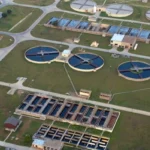
- Using recycled water for irrigation, if possible, to reduce the demand on fresh water sources.
- Minimizing the use of water-intensive maintenance practices, such as power washing and chemical treatments.
- Encouraging golfers to conserve water by providing water stations, promoting the use of water bottles, and educating them about the importance of water conservation.
The Role of Technology in Improving Water Management in Golf Courses
Technologies can make a real difference in water management on golf courses. Intelligent irrigation systems, weather-triggered controllers, and more are ways technology can make golf courses save water and waste less.
Smart irrigation systems track the soil moisture through sensors, which automatically time your irrigation. This will keep the greens and fairways hydrated with the appropriate amount of water without waste. Weather controllers calculate weather information to set the irrigation program based on rainfall and moisture.
Another irrigation technology golf courses can use is drip irrigation. Drip irrigation sends water to the roots of plants so less water goes wasteful and the greens and fairways receive exactly the amount of water they need without the runoff.
What are the benefits of sustainable water management for golf course operations?
There are many positives to a green’s water management. Among the best benefits are savings in costs due to less water consumption, an improved image of environmental sustainability, increased aesthetics due to course cleanliness and adherence to regulations concerning water usage so you do not incur fines. Golf courses can not only save water by managing their water effectively but also — more importantly — by being better-run and more appealing to guests.
The Environmental Impact of Water Management in Golf Courses and How to Minimize It
Golf courses are an environmental issue when there is little to no water. With water management in place, this can be reduced to a certain extent and the golf courses can be protected for future generations.
Voici quelques suggestions to help keep golf course water management as green as possible:
By implementing water management practices that are eco-friendly like recycled water and water waste reduction.
Conservation and Water Education for golfers and staff.
Encourage drought tolerant vegetation and grasses that don’t need so much water.
Maintaining the yard without harmful maintenance procedures, like natural fertilizers and chemical usage.
The Future of Water Management in Golf Courses and Emerging Trends to Watch
The world is getting bigger and water is running out – so, with the growth of humanity, ensuring golf courses have proper water drainage becomes even more important. There are some trends in water management for golf courses to be aware of — the adoption of technologies like smart irrigation systems and weather-based controllers, the focus on sustainability, and the increased effort by golf courses and water agencies to adopt sustainable solutions and less waste water. These are the signs that golf is finally coming to understand that responsible and sustainable water management is a reality.
Share this on social media:
Facebook
Twitter
LinkedIn

Related Posts