Copper Pollution in Drinking Water: Uncovering the Hidden Dangers
- Published:
- Updated: January 2, 2025
Listen to this article
Summary
Copper pollution in drinking water poses health risks such as gastrointestinal issues and organ damage. Sources include leaching from pipes, mining, agricultural runoff, and industrial discharge. To protect against it, test your water, install filtration systems, use bottled water, and engage with local water authorities.
Copper pollution harms aquatic life and ecosystems, emphasizing the importance of responsible disposal. Governments enforce regulations, invest in research, and communities advocate for better standards and reduce copper usage. Cooperation between authorities and communities is vital to prevent copper pollution and safeguard health and the environment.

Copper contamination in water is a problem because it can cause grave health problems in people and the environment. Although it’s a trace element, copper in excessive amounts in drinking water is poisonous, and can have consequences from gut problems to organ damage. It’s critical to know where copper contamination is coming from and how it’s been affecting you in order to avoid further contamination and have clean, safe water to drink for everyone.
What is Copper and Why is it Dangerous in Drinking Water?
Copper is a mineral that exists naturally, but only in small amounts and we need it for our wellbeing. It’s found in a lot of foods and is necessary for a good immune system and the production of red blood cells. But if copper is present in drinking water too high, it leads to bad health – gastrointestinal problems, liver and kidney failure, and eventually death. Copper is especially dangerous to babies, young children and pregnant women as their bodies are most sensitive to the effects.
The Source of Copper in Drinking Water

Copper can enter drinking water through several sources, including:
- Leaching from Copper Pipes: Older copper pipes that have been in use for many years can leach copper into drinking water, particularly in homes with acidic water that can cause corrosion and lead to the leaching of copper from the pipes. This can result in high levels of copper in the drinking water.
- Mining Operations: copper mining operations can release copper into the environment, including nearby water sources, causing copper pollution in the drinking water of communities near mining operations. The release of copper into water sources can have a significant impact on both human health and the environment.
- Agricultural Runoff: Copper is often used in pesticides and fungicides, and when these chemicals are used in agriculture, they can run off into nearby water sources, leading to copper pollution in drinking water. This can have a harmful impact on aquatic life and wildlife, as well as on the health of communities that rely on contaminated water sources.
- Industrial Discharge: Industries that use copper in their processes can release copper into the environment, including nearby water sources, causing copper pollution in the drinking water of communities near these industries. This can result in high levels of copper in the drinking water, posing a significant threat to human health.
What Can You Do to Protect Yourself and Your Family from Copper Pollution in Drinking Water?
There are several steps you can take to protect yourself and your family from copper pollution in drinking water, including:
- Test Your Drinking Water: The first step in protecting yourself and your family from copper pollution in drinking water is to test your water. You can purchase a home testing kit or have your water tested by a professional lab. This will help determine if your drinking water contains high levels of copper and if additional measures are necessary to protect your health.
- Install a Water Filtration System: If your drinking water contains high levels of copper, you can install a water filtration system designed to remove copper. There are several types of filtration systems available, including activated carbon filters and reverse osmosis systems. This can help reduce the levels of copper in your drinking water and protect your health.
- Use Bottled Water: If your drinking water contains high levels of copper, you may choose to use bottled water for drinking and cooking. This can provide an alternative source of safe drinking water if your tap water is contaminated with high levels of copper.
- Contact Your Local Water Authority: If you suspect that your drinking water contains high levels of copper, you should contact your local water authority. They will be able to test your water and take steps to address the issue if necessary. This can include installing treatment systems to remove copper from the drinking water or finding alternative sources of water for the community.
Effects of Copper on the Environment
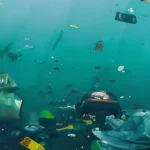
Copper in water is bad not just for the health of human beings, but for the natural world. Copper is toxic to aquatic plants and animals, and will rob the planet of biodiversity. This can lead to the extinction of species and the breakdown of ecosystems. Copper can also impact the quality of a whole ecosystem, by robbing plants and animals of their corresponding nutrients and having long-term ecological effects.
Importance of Responsible Copper Disposal
Copper waste disposal is the best solution to reduce copper contamination in drinking water. Decomposition (failing to dispose of copper waste properly, or putting it in the garbage can or a body of water will lead to the copper flowing into the waterways and causing copper pollution). That can be harmful to human and natural resources. Recycling, proper disposal at a recycling facility or hazardous waste facility are the primary solutions to copper contamination of water supply.
The Role of Government and Community in Addressing Copper Pollution in Drinking Water
Copper pollution of water is a problem that requires the collaboration of government and society. Water quality regulations are created and enforced by government departments, while new technologies for the detection and removal of copper from water are being researched and developed. This can make sure that public water sources are clean and not contaminated with pollutants.
People can help too by learning about the problem, pushing for water quality improvement, and cutting down on copper consumption themselves. Giving companies a push for the green is also a way to reduce copper pollution in water. With cooperation, the state and communities can do things to avoid copper contamination of drinking water and preserve human health and the environment.
Share this on social media:
Facebook
Twitter
LinkedIn

Related Posts