Contaminated Water Consumption: Environmental and Health Consequences
- Published:
- Updated: January 2, 2025
Listen to this article
Summary
Contaminated water poses significant threats to both the environment and human health. Sources include agricultural runoff, industrial waste, and inadequate sewage systems. Environmental impacts range from harm to aquatic life to disruptions in ecosystems.
Consuming contaminated water can lead to gastrointestinal illnesses, skin rashes, and even cancer due to exposure to toxic chemicals and pathogens. Prevention and mitigation strategies include improving wastewater treatment, implementing best practices in agriculture, and regulating industries to reduce chemical releases.

Every drop is a prize but not all drops are created equal. When we turn on the tap, we assume that the water that comes out is safe and clean. But the truth is that polluted water is on the rise and it is both unhealthy and unsafe for us. Everything from microplastics to chemicals: the health risks of drinking contaminated water are dire.
Understanding Contaminated Water Sources
Bad water can be from agriculture drainage, industrial effluent, and even natural processes such as mineral and metal leaching from rocks. The source of a lot of the contamination in most developed nations is an older and poorly operating sewerage and wastewater treatment plants that spill toxic chemicals and germs into the water supply. In less developed countries, waterways could be contaminated by raw human sewage and the infection could spread cholera and dysentery.
Impacts of Contaminated Water on the Environment
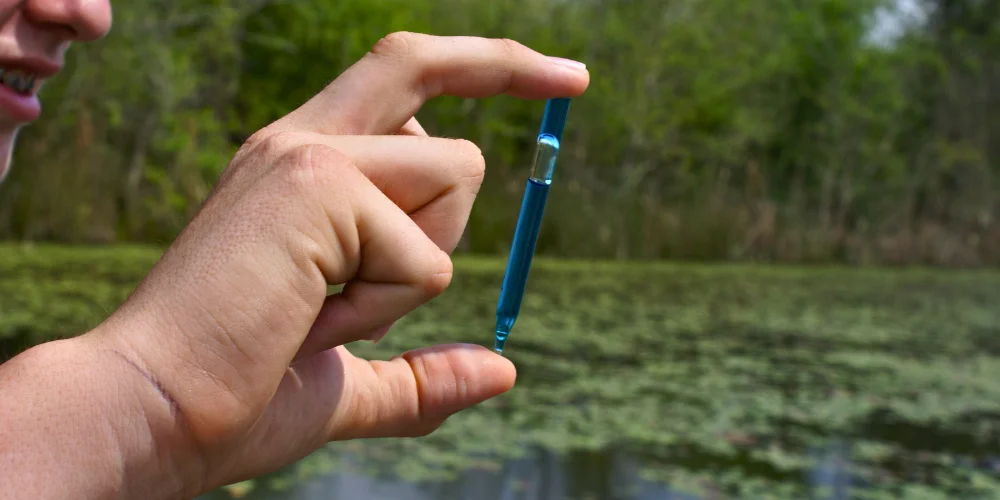
The environmental effects of polluted water can be large. Toxic chemicals and pollutants can destroy aquatic organisms and upset ecosystems when they clog up waterways. For instance, mine emissions of heavy metals contaminate fish and other animals, while nitrogen and phosphorus in agricultural run-off create algal blooms that exhaust the oxygen in the water and deprive other fish of their lives.
Apart from aquatic organisms, contaminated water can damage other animals and landscapes as well. For instance, birds and other animals can be poisoned by chemicals that they consume when they drink from suffocated streams, and populations will decrease, and in some cases die out.
What are the Health Risks Associated with Contaminated Water Consumption?
The health hazards of drinking tainted water are well known. Chemicals and microbes in the water are deadly and can cause everything from gastro-intestinal problems to skin irritations to cancer.
For instance, lead in drinking water can affect children’s development and behaviour; kidney disease and high blood pressure in adults. The same applies for toxic chemicals such as PFAS (per- and polyfluoroalkyl substances) that have been implicated in a host of illnesses, from cancer to liver damage and thyroid problems.
Prevention and Mitigation Strategies for Contaminated Water
Preventing and mitigating contaminated water is essential to protecting both the environment and public health. There are several strategies that can be implemented to reduce the risk of contaminated water, including:
- Improving wastewater treatment and sewage systems to reduce the release of harmful chemicals and pathogens into the water supply.
- Implementing best management practices on farms and ranches to reduce agricultural runoff and prevent the leaching of chemicals into waterways.
- Regulating industries to reduce the release of toxic chemicals into the environment and improve water quality.
- Educating the public about the risks of contaminated water and the importance of protecting water sources.
The Role of Government and Community in Addressing Contaminated Water
The government and community play a crucial role in addressing contaminated water. Governments can implement regulations and policies to reduce the release of harmful chemicals and pathogens into the water supply, as well as invest in infrastructure improvements to improve water quality.
Communities can also take action to protect their water sources. For example, they can advocate for stronger regulations and policies, as well as support local efforts to improve water quality. Additionally, individuals can make changes in their own lives to reduce their impact on water sources, such as reducing water usage and properly disposing of hazardous waste.
What is the Importance of Safe Drinking Water and Sanitation?
Safe drinking water and sanitation are essential for public health and well-being. Access to clean water is essential for preventing the spread of waterborne diseases, as well as for maintaining basic hygiene and sanitation.
In many parts of the world, however, access to safe drinking water and sanitation remains a challenge. The lack of access to clean water is a major contributor to the spread of diseases like cholera and dysentery, and can also lead to malnutrition and other health problems.
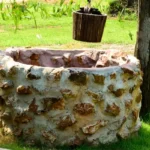
To address this issue, governments and communities must work together to improve access to safe drinking water and sanitation. This may involve investing in infrastructure improvements, such as building wells and sewage treatment systems, as well as educating the public about the importance of safe water and proper sanitation practices.
Water Testing and Treatment Methods for Contaminated Water
Testing and treating contaminated water is essential for ensuring its safety for consumption. There are several methods for testing water quality, including chemical in water tests, biological tests, and physical tests.
For contaminated water, treatment methods may include filtration, disinfection, and the addition of chemicals to neutralize harmful substances. The specific treatment method used will depend on the nature and extent of the contamination, as well as the intended use of the water.
The Future of Safe Water Sources and the Importance of Sustainability Efforts
Future prospects look rosy, but we know that access to clean water is going to be a constant struggle. Climate change, population growth and urbanization all strain water resources more, and you need to invest in water conservation now.
Environmental management could reduce the human impact on water sources, and keep them long-term viable. That could be by utilizing less water, sanitising waste, or conserving wetlands and other precious waterways.
Share this on social media:
Facebook
Twitter
LinkedIn

Related Posts