
Combatting Heavy Metal Toxicity in Our Drinking Water Supply
- Published:
- Updated: December 16, 2024
Listen to this article
Summary
To combat heavy metal toxicity in drinking water, we can implement water treatment methods like filtration and reverse osmosis, conduct regular testing, and ensure proper disposal of hazardous waste. Reduction of industrial pollution and agricultural best management practices are also crucial. Replacing lead pipes and raising consumer awareness are additional measures. Preventing heavy metal exposure is vital, especially for vulnerable populations. Governments play a key role in setting regulations and funding research, while continuous monitoring and research are essential for understanding and addressing heavy metal contamination effectively.
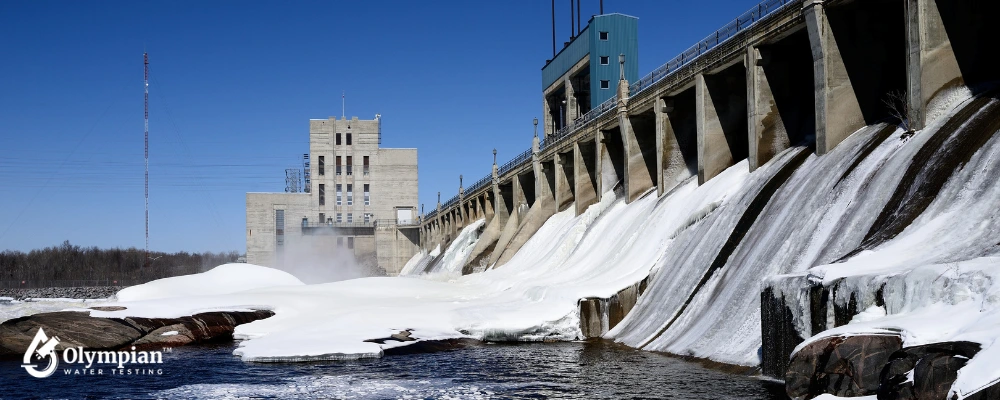
All life on the planet depends on water and we want it to be as clean and contaminate-free as possible for both human and natural wellbeing. Heavy metals are poisons found naturally in the crust of the earth. They can also get into the waterway from human activity – mining, industry, agricultural effluents. When they are high in concentrations, heavy metals damage the body and contribute to all sorts of diseases, from neurological damage to anaemia to kidney failure.
What are the Sources of Heavy Metal Toxicity in Drinking Water?
We have a number of sources of heavy metal toxicity in our drinking water. The biggest one is from industrial waste. Metals get released into the atmosphere by many industrial processes – mining, smelting, plating, etc. In case these heavy metals are not removed in a proper manner, they may settle into the groundwater and end up in our water supply.
Another source of heavy metal toxicity in water is agricultural run-off. Fertilisers and pesticides used by farmers when they fertilise crops run off into waterways nearby and into the drinking water. This is especially true in groundwater that is close to the surface.
Leaching from old pipes is one of the greatest sources of heavy metal toxicity in water. The heavy metal lead, a noxious metal that was commonly used in plumbing and pipes until it was phased out during the 1980s, is no longer legal. Over time, the lead in these pipes can leach into the water supply and have fatal consequences.
Benefits of Clean Water

Clean water is more than good for human health. -Quaint water is necessary for healthy ecosystems and the environment, and an essential ingredient of economic growth and poverty alleviation. Lowering the toxicity of heavy metals in water can lead to enhanced community health and wellbeing, and a long-term sustainability for all generations.
What are the Ways to Combat Heavy Metal Toxicity in Drinking Water?
- Water Treatment: Water treatment is one of the most effective ways to combat heavy metal toxicity in drinking water. There are several methods of water treatment, including filtration, ion exchange, and reverse osmosis, which can remove heavy metals from water. Some water treatment systems use a combination of these methods to ensure that the water is free from heavy metals and other contaminants.
- Regular Testing: Regular testing of drinking water is essential to ensure that it is free from heavy metal toxicity. The Environmental Protection Agency (EPA) recommends that all public water systems be tested for heavy metals at least once a year. Private wells should also be tested regularly to ensure that they are not contaminated with heavy metals.
- Proper Disposal of Hazardous Waste: Proper disposal of hazardous waste is crucial to prevent heavy metal contamination in water. Landfills and waste sites should be properly managed to minimize the release of heavy metals into the environment.
- Reduction of Industrial Pollution: Reducing industrial pollution is another way to combat heavy metal toxicity in drinking water. This can be achieved through the use of best management practices, such as using alternative energy sources, reducing the use of hazardous chemicals, and improving industrial processes to minimize the release of heavy metals into the environment.
- Agricultural Best Management Practices: Agricultural best management practices, such as reducing the use of fertilizer and pesticide, can also help to reduce heavy metal contamination in drinking water. Farmers can also implement practices such as crop rotation, which can help to reduce the build-up of heavy metals in soil.
- Lead-Free Piping in Homes and Buildings: Replacing lead piping in homes and buildings can also help to reduce heavy metal contamination in drinking water. Lead-free pipes, such as those made of copper or plastic, are available and can be used to replace old, lead-containing pipes.
- Consumer Awareness: Consumer awareness is also an important factor in combating heavy metal toxicity in drinking water. By educating themselves about the sources and health risks associated with heavy metals in drinking water, consumers can take steps to protect themselves and their families. This includes using a water filtration system and regularly testing their drinking water.
Preventing Heavy Metal Exposure
Heavy metals should be avoided as much as possible, especially for pregnant women, small children, and those with compromised immune systems. For this you can buy a water filter home, eat fish and seafood low in mercury, and avoid lead paint and lead dust. Additionally, heavy metals can be mitigated by consumers in food and toiletries that are not heavy metal-laden.
The Role of Government and Regulators
The fight against heavy metal toxicity in water is also a problem for governments and regulators. They could create and enforce rules restricting the dumping of heavy metals into the environment, and routinely test NYC public water sources. Additionally, they could provide research and development funding for new technologies to clean the water of heavy metals, and educating and outreaching consumers about the health risks of heavy metals in water.
The Importance of Monitoring and Research
Monitoring and research is constantly required to make the most of the sources and effects of heavy metals in drinking water. And it is also the next best thing we can learn about boron in water as a potential contaminant.. As researchers trace levels of heavy metals in water over time, they’ll see trends and patterns that will help guide policy and regulations to keep people safe. Moreover, studies can produce new technologies and processes to flush the water clean of heavy metals, and insight into the health effects of heavy metals.
Share this on social media:
Facebook
Twitter
LinkedIn

Related Posts