Clean Water's Double Win: Economic and Health Gains for Tourism
- Published:
- Updated: November 14, 2024
Listen to this article
Summary
Clean water is crucial for tourism, offering both economic and health benefits:
- Clean water enhances the tourist experience, attracting visitors and driving economic growth.
- It creates jobs, boosts real estate value, and supports various sectors like hospitality and recreation.
- Additionally, clean water reduces the risk of waterborne diseases, ensuring a healthier environment for tourists and locals alike.

There’s a huge global economy made of tourism, and water sanitation is a major feature of any tourism location. It is the water quality and the sanitation in any tourism spot that makes or breaks a vacation. And clean water is not only the way the tourists experience it; they also have a positive effect on the local economy.
The Importance of Clean Water for Tourism
There’s no safe water for tourists. We need it to drink, to cook, to bathe and to swim. Clean water, likewise, is essential to the wellbeing and natural beauty of the environment, one of the main drawcards of the majority of tourists.
Tourists are increasingly mindful of their travel footprint and clean water is an important consideration. They’re looking for a place that not only gives them a nice view but a healthy one too. Inadequate sanitation and bad water can lead to diseases and negative effects on destination popularity.
What are the Economic Benefits of Clean Water for Tourism?

Impure water can also be a boon to tourist destinations economically. More tourists visit regions with good water quality and therefore more jobs and income for communities.
Travel is a labour-intensive activity and an abundant water supply can lead to employment in various categories like hotels, buses, and tourism. Besides, clean water can also attract investments in tourist infrastructure (hotels, restaurants, recreational activities, etc) leading to more jobs.
Clean water also leads to the value of real estate in tourist areas, if anything. Homes next to clean water have higher tourist draws and this raises property values.
What are the Health Benefits of Clean Water for Tourism?
We need clean water so that tourists and residents are healthy. Bad water and lack of sanitation lead to water-borne diseases like cholera and dysentery that can be fatal to tourists and the locals.
Moreover, fresh water can even prevent skin infections and other illnesses linked to dirty water. This can mean a more pleasant and healthier stay for tourists, as well as more returning guests and positive word-of-mouth marketing.
The Role of Governments and the Tourism Industry in Ensuring Clean Water
Clean water is a responsibility that both governments and tourism must help to keep for tourist destinations. – Governments can make policy and regulation changes to preserve the water and upgrade the quality of the water supply.
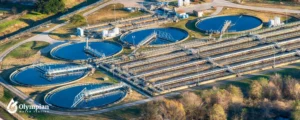
The tourism sector too can aid in ensuring safe water through water treatment and sanitation infrastructure as well as environmental education of tourists. Moreover, the tourism sector could also help communities conserve water and improve water quality.
The Challenges of Ensuring Clean Water in Tourism Destinations
As good as clean water is for tourists, clean water in tourist areas still faces major challenges. With so few resources and infrastructure, clean water and decent sanitation facilities are hard to achieve in most developing nations.
Furthermore, high tourism growth in some areas has increased pressure on water supply in local areas and the water quality has suffered. And there’s climate change, which can lead to different water resources and quality.
The Solutions for Ensuring Clean Water in Tourism Destinations
There are several solutions that can be implemented to ensure clean water in tourist destinations:
- Water conservation and management: This involves developing strategies to reduce the use of water in tourist destinations and ensuring the sustainable use of water resources.
- Water treatment and sanitation facilities: This involves investing in water treatment and sanitation facilities to improve the quality of the water supply and reduce the risk of waterborne diseases.
- Community involvement: This involves involving local communities in the protection and management of their water resources. This can help to ensure that water sources are protected and that water quality is maintained.
- Climate-resilient water management: This involves developing strategies to ensure that water resources are resilient to the impacts of climate change. This can include measures such as water storage and management, rainwater harvesting, and the use of drought-resistant crops.
- Education and awareness: This involves educating tourists and local communities about the importance of clean water and the steps that can be taken to protect water resources.
The Future of Clean Water and Tourism
The future of clean water and tourism goes hand in hand. In order for sustainable tourism to thrive, clean water will become more essential to tourist attractions.
The state, tourism sector and communities all need to work to provide tourists with clean water and for tourists to gain the economic advantages of clean water. That will require investment in water treatment and sanitation, the involvement of communities, and the promotion and teaching of clean water.
Share this on social media:
Facebook
Twitter
LinkedIn