...

Can you drink the water in Punta Cana?

Summary

While Punta Cana’s tap water is treated, it is not recommended for drinking due to potential contaminants. Bottled water is the safest option for hydration, and resorts typically provide filtered water to ensure guest safety. Travelers should also be cautious with ice and foods that may be prepared with untreated water.

  • Punta Cana’s tap water is sourced from underground aquifers and treated, but it is not considered safe for drinking.
  • Bottled water is widely available and considered safe for tourists, while many resorts use filtration systems.
  • Travelers can reduce health risks by using purified water and avoiding ice made from untreated tap water.

Punta Cana, a tropical paradise in the Dominican Republic, is a popular destination for travelers worldwide. Its pristine beaches and crystal-clear waters attract millions each year. But one question often arises: Can you drink the water in Punta Cana?

Water safety is a crucial concern for any traveler. It’s even more critical in tropical destinations like Punta Cana. The quality of drinking water can significantly impact your health and overall travel experience.

In Punta Cana, the water safety issue is complex. It involves various factors, from the source of the water supply to the treatment processes. Understanding these factors can help you make informed decisions about water consumption during your stay.

This article aims to provide a comprehensive guide on Punta Cana water safety. We’ll explore the intricacies of the local water supply, tap water safety, and the role of bottled water. We’ll also discuss practical tips for staying hydrated safely.

Whether you’re a first-time visitor or a seasoned traveler, this guide will equip you with valuable information. It will help you navigate the water safety landscape in Punta Cana. So, let’s dive in and explore the world of Punta Cana water safety.

Understanding Punta Cana's Water Supply

The water supply in Punta Cana predominantly comes from underground aquifers. These aquifers are a crucial resource, providing water for residential, commercial, and tourist use. Understanding their significance is essential for grasping the overall water safety scenario in the region.

Aquifers in Punta Cana collect rainwater, which undergoes natural filtration as it seeps through layers of rock and soil. This process helps improve water quality by removing impurities. However, the effectiveness of natural filtration varies based on factors like environmental conditions and land use practices.

Punta Cana

To ensure safety, water from these aquifers is treated before reaching consumers. The treatment process typically includes steps such as filtration and chlorination. These methods aim to remove harmful pathogens and make the water safe for various uses, including household chores and some industrial processes.

Despite these measures, tap water in Punta Cana is not recommended for drinking. The local infrastructure, while improving, may not always maintain consistent water quality. There can be occasional contaminants that might pose health risks, particularly for unaccustomed travelers.

Factors affecting water safety include local agricultural practices, which can lead to runoff entering water sources. Industrial activities and urbanization also play roles, potentially impacting the purity and availability of clean water.

Understanding these nuances highlights the complexity of ensuring water safety in Punta Cana. Locals and visitors alike should be aware of these aspects to make informed decisions regarding water usage. Here’s a quick overview of Punta Cana’s water supply system:

  • Source: Underground aquifers
  • Treatment Methods: Filtration and chlorination
  • Main Concerns: Agricultural runoff and industrial pollution
  • Drinking Recommendation: Bottled water preferred

By acknowledging the intricacies of the water supply, one can better appreciate the measures necessary to maintain and improve water quality in Punta Cana.

The Safety of Tap Water in Punta Cana

Can you drink the water in Punta Cana

Tap water safety in Punta Cana is a topic of considerable importance, especially for visitors. While many advanced nations have stringent water safety standards, Punta Cana’s infrastructure faces unique challenges.

The treatment of tap water in Punta Cana includes processes intended to eliminate harmful bacteria and viruses. Despite this, several factors contribute to inconsistencies in water quality. Aging pipelines and occasional maintenance lapses can lead to contamination risks.

For residents, the tap water is largely deemed safe for non-consumptive uses like cleaning and showering. However, consuming tap water is discouraged for several reasons. Variations in treatment efficacy and infrastructure lead many locals to depend on alternative water sources for drinking.

Tourists are often advised to avoid drinking tap water. Their immune systems may not be accustomed to the local water’s microbial content. This is crucial for preventing potential health issues that could arise from consuming untreated or poorly treated water.

In hotels and resorts, tap water safety may be better managed, with additional filtration systems in place. These establishments often prioritize guest safety, implementing measures to ensure high water quality. Still, they typically recommend bottled water for drinking to allay any concerns.

Understanding the dynamics of tap water safety in Punta Cana involves recognizing the region’s evolving infrastructure. It highlights the importance of adhering to safety advisories for water consumption. By doing so, both residents and visitors can minimize health risks associated with contaminated water.

Health Risks of Contaminated Water

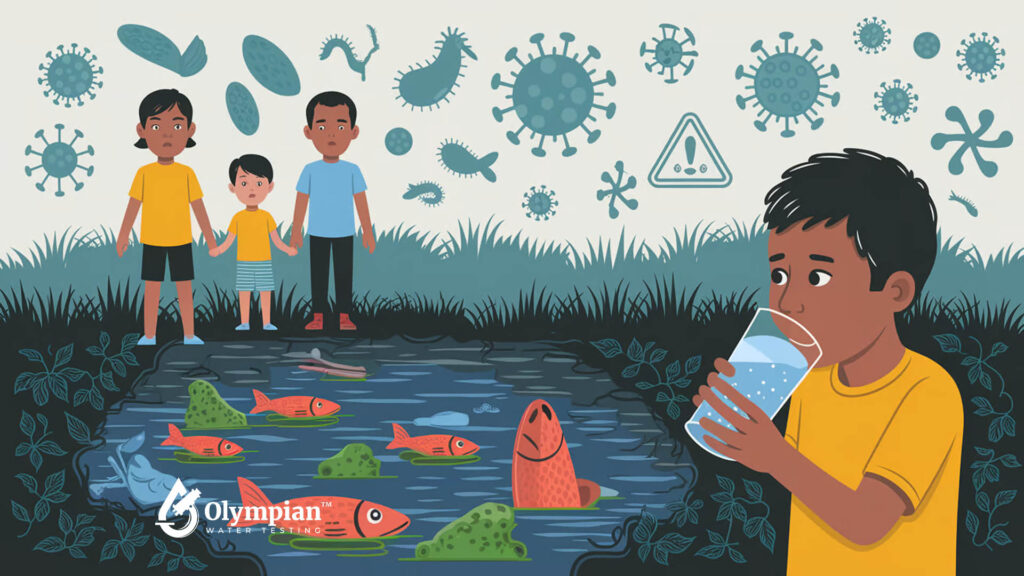
Punta Cana water contamination risks. Cartoon of family near polluted water with bacteria. Boy drinks water.

Consuming contaminated water poses serious health risks, particularly in tropical destinations like Punta Cana. Waterborne pathogens can lead to various illnesses, some of which can be severe.

Diarrhea is a common symptom of waterborne illnesses and can result from ingesting contaminated water. This condition can be particularly troublesome for travelers, affecting their vacation enjoyment. More dangerous pathogens, such as certain bacteria and parasites, can cause diseases like cholera and giardiasis.

Symptoms of waterborne illnesses include nausea, vomiting, and abdominal cramps. These symptoms can appear shortly after consumption and might require medical attention, especially in vulnerable individuals like children and older adults.

It’s crucial to be aware of the health risks associated with unclean water. By taking preventative measures, such as using safe water sources and avoiding tap water, travelers can protect themselves. Understanding these health risks underscores the significance of adhering to recommended water safety practices while enjoying all that Punta Cana has to offer.

Water Quality Standards in the Dominican Republic

Water quality standards in the Dominican Republic are established to protect public health. These standards are designed to ensure that the water meets specific safety criteria before it reaches consumers.

The regulatory framework is guided by national health authorities, who set the parameters for water treatment processes. These regulations aim to minimize contaminants and ensure water is safe to use. Regular testing is conducted to maintain compliance with these standards.

The Dominican government collaborates with international organizations to improve water quality. This cooperation helps align national standards with global benchmarks, enhancing overall water safety for residents and visitors.

Despite stringent regulations, challenges persist due to infrastructure limitations. However, continuous efforts are underway to upgrade treatment facilities. By doing so, the authorities aim to bolster water safety across the region, benefiting local communities and the thriving tourism industry in Punta Cana.

How Resorts Ensure Water Safety for Guests

Punta Cana resort with a large pool, umbrellas, and lounge chairs. Is the water safe to drink in Punta Cana?

Water safety is a top priority for resorts in Punta Cana. These establishments take significant measures to ensure that guests enjoy a safe and pleasant stay. They understand the risks of waterborne illnesses and prioritize health and safety.

Resorts often implement advanced water treatment systems. These systems are designed to effectively purify water and remove potential contaminants. Resort management typically adheres to rigorous international standards for water treatment. This commitment ensures high water quality, minimizing health risks for guests.

Staff training plays a crucial role in maintaining water safety. Employees receive continuous education on proper water handling procedures. This training helps prevent contamination during water distribution within the resort premises.

To provide a safer experience, many resorts use the following measures:

  • Filtered Drinking Water: Providing guests with filtered and purified water for consumption.
  • Regular Testing: Conducting regular water quality tests to ensure safety standards are met.
  • Ice Safety: Producing ice with purified water to eliminate health risks.
  • Food Preparations: Using safe water during food preparation to prevent cross-contamination.

Additionally, resorts often choose reputable external laboratories to verify water quality. These independent tests add an extra layer of assurance for guests. By adhering to stringent standards and best practices, resorts in Punta Cana can instill confidence in water safety and ensure an enjoyable vacation experience.

Bottled Water: A Safe Alternative?

Bottled water held by a person. Concerns about PFAS forever chemicals in bottled water.

When visiting Punta Cana, many travelers consider bottled water a reliable choice. Bottled water is generally considered safe for drinking due to stringent regulations. It undergoes thorough purification processes, reducing the risk of contaminants.

Bottled water offers convenience and peace of mind. For tourists cautious about tap water, it provides an accessible means to stay hydrated. It’s readily available in hotels, resorts, and local stores, making it a practical option for travelers.

However, the use of bottled water does come with environmental concerns. Plastic waste from bottles contributes to pollution, impacting both land and marine environments. It’s essential to balance safety with environmental responsibility.

Eco-conscious travelers can explore sustainable alternatives. Reusable bottles with built-in filters offer a way to reduce plastic use. These options not only ensure water safety but also align with global sustainability efforts. Choosing bottled water as a safe alternative involves considering both health benefits and ecological impacts, fostering a responsible travel experience.

Bottled water is widely available and considered the safest option for hydration. Resorts and restaurants in Punta Cana typically provide filtered water to their guests, ensuring that drinking water is treated to meet international standards. According to the Dominican Republic Ministry of Public Health, approximately 98% of the country’s population has access to chlorinated drinking water, yet bottled water remains a safer and more widely consumed option for visitors.

Practical Tips for Staying Hydrated Safely

Woman drinking mineral water from a bottle. Hydration for health benefits.

Staying hydrated is crucial, especially in a tropical paradise like Punta Cana. The heat and humidity can easily lead to dehydration. Here are some simple yet effective strategies for maintaining adequate hydration.

Bring a reusable water bottle. Refill it often at safe water stations. Many resorts provide these facilities to ensure guests have access to clean water.

Before consuming tap water, verify its safety. If in doubt, opt for bottled or filtered water. This precaution can prevent potential health issues caused by contaminated water.

Incorporate hydrating foods into your diet. Fruits like watermelon, oranges, and pineapple are not only refreshing but packed with water. These can supplement your fluid intake naturally and healthily.

Be cautious with ice in drinks from local vendors. Ensure it’s made from purified water. Similarly, when buying packaged beverages, check the seal to avoid tampering or contamination. By adopting these practices, visitors can enjoy their stay without compromising on hydration. Safe drinking habits allow you to fully experience the beauty and culture of Punta Cana without the worry of water-related ailments.

The Safety of Ice, Beverages, and Foods in Punta Cana

Drinks and chips on a table. Refreshments in Mexico City. Safe drinking water.

When visiting Punta Cana, many travelers often wonder about the safety of consuming ice and beverages. Ice may pose a risk if it is made from untreated tap water. In most reputable hotels and restaurants, however, ice is made from filtered water to ensure safety.

It’s advisable to inquire about the source of ice before using it. Such precautions can help prevent any discomfort during your stay. Alternatively, you may choose beverages that are served without ice to be extra cautious.

Beverages in sealed bottles or cans are generally safe to consume. They are processed and packaged in controlled environments, minimizing contamination risks. This makes them a reliable option for staying hydrated without concerns.

When it comes to food safety, opt for places with high hygiene standards. Well-known establishments often follow strict protocols to ensure food safety. Avoid consuming raw or undercooked meats and seafood, which can carry an increased risk of contamination. These simple steps can help ensure a pleasant culinary experience while exploring the flavors of Punta Cana.

Swimming Safely in Punta Cana's Beaches and Pools

Punta Cana is renowned for its stunning beaches, attracting visitors from around the globe. The clear, warm waters offer excellent swimming conditions. However, it is essential to remain mindful of safety precautions to fully enjoy these pristine environments.

Local lifeguards frequently monitor the most popular beaches. They play a crucial role in ensuring the safety of swimmers. Look for flags or signs indicating water conditions and follow their guidance to prevent unexpected risks.

Swimming in hotel pools is generally considered safe. Most resorts adhere to strict maintenance schedules to maintain hygienic conditions. However, staying informed about potential weather-related hazards, such as tropical storms or strong currents, can enhance your safety.

Always watch for any advisories regarding jellyfish or harmful algal blooms. These natural occurrences can affect water quality and pose risks to swimmers. By staying aware and informed, you can enjoy both beach and pool experiences with peace of mind.

Staying Informed: Water Safety Advisories and Resources

Hands catching water from a tap. Water safety in Punta Cana. Safe drinking water resources.

Water safety is crucial for a safe stay in Punta Cana. Keeping up with the latest advisories can prevent unwanted surprises. Staying informed empowers travelers to make responsible decisions.

Numerous resources provide updates on water quality and safety in Punta Cana. Both local government and resort websites often post relevant advisories. Checking these resources before heading to the beach can reduce potential risks.

Social media platforms can also serve as valuable tools. Many travelers share real-time experiences and updates online. Following local tourism boards or travel groups can enhance your awareness of current conditions.

For ease of access, consider using apps or websites dedicated to travel safety. These platforms offer updates on water quality and potential hazards. Some key resources to consider include:

  • Local tourism board websites
  • Resort and hotel alerts
  • Travel advisory apps
  • Social media travel groups

By integrating these resources into your travel routine, you can better ensure your safety while enjoying the beautiful waters of Punta Cana.

Conclusion: Ensuring a Safe and Enjoyable Stay in Punta Cana

To make the most of your time in Punta Cana, prioritize water safety. By taking simple precautions and staying informed, you safeguard your health.

Whether you are sipping a cool drink by the pool or swimming at a pristine beach, awareness is key. A vigilant approach ensures your vacation remains delightful and worry-free.

Share this on social media:

Facebook
Twitter
LinkedIn