
Overview of Drinking Water Safety in Tucson
Public assessments confirm that local water meets essential standards, supporting Tucson water safety as a priority. Families often rely on citywide monitoring overseen by Tucson Water. This utility conducts tests to identify contaminants and employs chlorination to manage bacteria. Some individuals detect a faint chlorine flavor or note mineral-heavy qualities, yet data confirms that levels remain within regulated limits.
Arsenic and nitrates may persist in small amounts. These traces are typically deemed acceptable, though personal sensitivities can differ. The city’s goal is to ensure Tucson water safety while balancing taste and odor concerns. Residents stay informed by reviewing official reports and exploring home filtration systems. Personal habits and comfort levels play a role too, as each household decides if extra steps are needed for reassurance.
Local Water Sources and Treatment Processes
Tucson draws water from various sources, including groundwater and the Colorado River. The Central Arizona Project (CAP) brings Colorado River water to the city. These sources introduce minerals and elements that need constant monitoring.
Technicians closely watch for calcium, magnesium, and arsenic levels. Each must adhere to strict safety standards before reaching consumers.
Where Tucson Gets Its Water
Groundwater is a significant source, tapped from wells across the area. Tucson increasingly relies on Colorado River water to ease pressure on local aquifers. This strategy helps manage the desert environment’s challenges.
Basics of Water Treatment Technologies
Chlorination is a common method to combat bacteria and viruses. Ion exchange systems target specific contaminants, improving water quality and taste. Engineers regularly refine these technologies to ensure consistent service for Tucson’s residents.
tap water in tucson: Common Quality Concerns

Examining daily water use can uncover mineral levels and contaminants that impact taste or health. Residents often spot residue on sinks, bathtub rings, and dryness in hair or skin. Many turn to water filtration systems to address these issues.
Mineral Content and Hard Water Impact
Calcium and magnesium are prevalent in Tucson’s groundwater, leading to high hardness levels. Scale buildup in pipes and appliances can decrease efficiency over time. Mineral deposits on faucets and showerheads necessitate frequent cleaning or replacement.
Detecting Contaminants
Chlorine is used for disinfection, leaving a distinctive smell. Arsenic and nitrates may be present due to natural and agricultural factors. Rust from older plumbing and sediment can alter water clarity. Identifying these concerns supports healthier choices and encourages residents to consider water filtration systems for peace of mind.
Concern | Common Indicator |
Hard Water | Visible scale, appliance inefficiency |
Arsenic | Well or groundwater exposure |
Nitrates | Agricultural runoff |
Rust | Brownish discoloration |
Sediment | Cloudy appearance |
Chlorine | Strong odor or aftertaste |
Regulations and Standards for Public Drinking Water

In Tucson, local agencies and federal bodies work together to ensure the water system meets safety standards. The Arizona Department of Environmental Quality (ADEQ) and the Environmental Protection Agency (EPA) set rules for testing, reporting, and treatment. This partnership is critical for maintaining water quality.
PFAS contamination is a significant concern. Tucson has removed wells from service when PFAS levels exceed federal limits. The Tucson Airport Remediation Project is underway to reduce PFAS contamination. It aims to protect those who depend on public water supplies.
Compliance requires constant monitoring and swift action when risks are detected. Tucson Water strives to meet or exceed official standards. This includes shutting down wells that fail safety checks. Such cooperation ensures the city’s drinking water remains safe and encourages continuous improvement in detection and filtration.
Key Points:
- Regulations guide water system testing and prompt early interventions.
- Federal and local teams collaborate to manage new concerns linked to industrial byproducts.
Health Considerations and Safety Tips
Many residents focus more on their water quality once they understand its health implications. Hard water can cause dry skin, increase pipe scale buildup, and lower appliance efficiency. Families with sensitivities often look for specialized solutions to ensure their well-being.
Impact on Vulnerable Groups
Those with weakened immune systems or chronic conditions need extra caution. Young children and the elderly are more vulnerable to contaminants, including arsenic. Regular testing and monitoring of tap water are essential to catch quality changes early.
Filtration and Purification Methods

For a smoother taste and fewer minerals, carbon filters or advanced reverse osmosis units are popular. Ion exchange systems help reduce harsh elements that can irritate sensitive skin. Many opt for water softeners in Tucson to combat excessive iron and calcium.
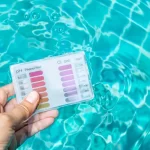
Products like Brita and Culligan can reduce chlorine taste. Regular filter replacements ensure consistent quality. Testing kits help identify when adjustments are necessary, keeping the water refreshing and balanced.
Comparisons with Other U.S. Cities
In the Southwest, many cities struggle with high mineral levels in their tap water. Tucson’s water has 211 PPM, close to Phoenix’s 225 PPM. Bullhead City, with 615 PPM, is among the most mineral-rich. Hard water can lead to scale buildup on fixtures and appliances. The reliance on deep aquifers in desert areas introduces unique challenges and testing protocols for safe drinking water.
Some cities turn to reverse osmosis to combat persistent contaminants. In Nevada’s Lahontan Valley, wells are tainted with arsenic, and some treated samples failed to meet safety standards. Madison, Minnesota, implemented a citywide system that achieved 75% recovery, removing about 97% of key impurities. This shows that large-scale reverse osmosis can significantly improve water quality. Each city’s geology and resources shape its ability to meet water quality demands.
Practical Ways to Enhance Water Quality at Home
Many households aim to keep their drinking water fresh and safe. They seek tailored solutions for issues like mineral buildup and tastes. Families can mix different filtration systems to meet their needs and budget.
Choosing the Right Filter
Experts from AquaZona and Parker & Sons suggest a combination of whole-house filtration, water softening, and reverse osmosis. Whole-house units remove sediment and chlorine. Water softeners reduce hard minerals that harm pipes and appliances. Reverse osmosis provides deep purification for sensitive concerns.
Each stage targets different contaminants. It’s essential to choose the right system based on specific needs.
Maintenance for Better Taste and Safety

Regular maintenance, like replacing filters and checking performance, ensures water stays fresh. Neglecting this can lead to a buildup of contaminants. Timely care extends the life of each device and boosts confidence in the water quality.
Filtration Method | Main Feature | Ideal Benefit |
Whole-House System | Broad Sediment Removal | Cleaner Water Throughout Home |
Reverse Osmosis | Multi-Stage Purification | Elimination of Specific Contaminants |
Water Softener | Mineral Reduction | Less Scale and Better Appliance Performance |
Long-Term Sustainability Measures in Tucson
Ensuring a steady supply of drinking water demands projects that safeguard our vital resources. Local authorities are expanding well fields to protect them. They also recharge aquifers with recycled and imported water. This approach boosts the region’s water resilience, critical in our arid climate.
Forward-Thinking Projects
Tucson Water is leading the Tucson Airport Remediation Project (TARP) to combat contaminants like PFAS. They collaborate with the Arizona Department of Environmental Quality (ADEQ) and the Environmental Protection Agency (EPA) for research and planning. These partnerships drive the development of advanced treatment methods. They protect both residents and local ecosystems.
- Comprehensive conservation programs that encourage mindful usage
- Innovations in filtration technology for higher purity
- Recharge facilities that store surplus water underground
Moving Forward with Confidence in Tucson’s Water

Tucson’s tap water meets all state and federal standards. Companies like AquaZona advise homeowners on protective measures. Many residents take additional steps to improve their drinking water. They often use filters to remove hardness or chlorine taste.
Testing for emerging contaminants boosts confidence. Some residents monitor PFAS levels, a key issue in water safety worldwide. Local authorities are working to reduce these risks.
Encouraging Personal Action
Families can feel secure by monitoring their water and staying updated on city projects. This proactive stance helps detect changes in water quality. Simple actions, like following local updates, strengthen community ties. Tucson aims for a safe water supply, and every resident contributes to this goal.
FAQ
Is Tucson’s tap water considered safe to drink?
Tucson Water, the Arizona Department of Environmental Quality (ADEQ), and the Environmental Protection Agency (EPA) all confirm the city’s tap water meets safety standards. Yet, trace elements like arsenic and nitrates can sometimes be present at low levels. These might pose a concern for individuals with certain health sensitivities.
Why does Tucson’s tap water often have a noticeable taste or odor?
The use of chlorination for disinfection can cause a distinct taste or smell in the tap water. Minerals from the Colorado River and local aquifers also contribute to a "hard" quality. This affects both the flavor and the condition of household fixtures.
What are emerging contaminants, and should residents be worried about them?
Emerging contaminants, such as PFAS, have recently raised health concerns. Tucson Water regularly tests for these substances. If levels exceed safe limits, wells may be shut down. Additional treatments, like ion exchange or reverse osmosis, are also used.
How does Tucson treat its drinking water?
Tucson’s water supply comes mainly from the Central Arizona Project (CAP) and groundwater. It undergoes sediment removal and disinfection before reaching homes. In some areas, advanced treatments like ion exchange are applied to remove contaminants, including arsenic and PFAS.
What is hard water, and how can it affect household appliances?
Hard water contains high levels of calcium and magnesium, leading to mineral buildup in pipes and appliances. This buildup can reduce energy efficiency and lifespan of devices like water heaters. Many residents use water softeners to mitigate these issues.
Are there filtration options for those with sensitive health conditions?
Yes, filtration options range from simple carbon filters to remove chlorine taste and odor to more advanced systems like reverse osmosis. These systems reduce a variety of contaminants. Tucson residents with compromised immune systems or specific concerns often choose multi-stage filtration systems.
How does Tucson’s water quality compare to other desert cities?
Desert regions like Tucson, Phoenix, and Las Vegas face similar challenges with hard water and low groundwater levels. Tucson’s water management strategies, such as recharging aquifers and monitoring emerging contaminants, are comparable. This highlights a growing focus on long-term water security.
What are practical steps for ensuring better water quality at home?
Homeowners can install water softeners to address hardness, use reverse osmosis systems for thorough purification, or rely on point-of-use carbon filters to improve taste. Regularly replacing filters, scheduling professional system checkups, and staying informed on local infrastructure updates contribute to safer, cleaner tap water.