Impact of Plastic Waste on Environment and Marine Life
- Published:
- Updated: December 16, 2024
Listen to this article
Summary
Plastic waste poses a grave threat to the environment and marine life, stemming from uncontrolled pollution sources like single-use plastics, fishing gear, and shipping. Its impact extends to marine wildlife and habitats, causing entanglement, ingestion, and habitat degradation. Plastic pollution alters ocean ecosystems, disrupts food chains, and jeopardizes human health and food safety through toxin accumulation. Efforts to mitigate plastic waste include awareness-raising, policy implementation, recycling, and community action, requiring global collaboration and individual responsibility. Addressing plastic waste is crucial for safeguarding marine ecosystems, human health, and the planet’s future.

Our plastics are the norm now but in mass production and disposal they have created a huge environmental problem. Plastic pollution’s environmental and microbial effects are horrible and encompassing, from the polluting of our oceans and rivers to the degradation of species and habitats.
Uncontrolled Plastic Pollution
For example, the single-use plastics in the environment are one of the largest plastic waste products; these include plastic water bottles, plastic bags, straws and food wrappers. They’re consumed and dumped, sometimes in our seas and rivers. Indeed, in 2050, we are on track to have more plastic in the sea than fish. That’s a worrying figure when you consider how bad the plastics are to the oceans and the creatures in them.
Another big contributor to plastic pollution is fishing, in which plastic fishing gear (nets and lines) is discarded into the sea, where marine life suffers. These are all things that could get caught and suffocate sea life, from dolphins to whales to sea turtles. Even plastic fishing equipment can harm marine habitats with high biodiversity, including coral reefs, that support and feed many marine animals.
Plastic also gets thrown away in shipping and transport (plastic packaging, plastic containers, etc) as they are being thrown out at sea. This can happen by accidents or deliberate ship-led dumps of waste. The shipping and transportation of plastics – which plague the world’s oceans – is especially difficult to regulate, since oceans are so large and open.
Threat to Marine Wildlife and Habitats

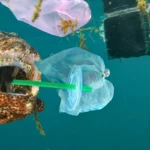
The impacts of plastics on marine life and their habitats are extensive and deep. Seabirds mistake plastic waste for food and die of starvation, drowning and attachment. ‘The turtles mistake plastic bags for jellyfish, which they feed on every day, causing them to get stuck in their digestive tract and die. Even seabirds and whales can misidentify plastic waste as food, and for good reason.
They have habitats, too, littered with plastic. Plastic debris can change ocean chemical and physical parameters, destroying coral reefs and other fragile marine life. Plastic debris can drown coral reefs, reducing the sunlight corals require, and put toxins into the food chain that injure wildlife and humans.
Long-Term Consequences for Ocean Ecosystems
The long-term effects of plastics on the ecosystem of the ocean are massive and intractable. Plastic wastes can live hundreds of years in the oceans, shattered into smaller particles that can be eaten by marine life and eaten by humans. This can lead to the buildup of noxious chemicals in the marine animal’s tissues, which is toxic to their health and reproduction.
The chemistry of the ocean, in response to plastic contamination, can change: ocean currents, temperature and acidity. They can have an effect on the entire ocean ecosystem, from rupturing food webs to wiping out key species. Plast will turn seawater more acidic, and hinder the shell-building capabilities of marine animals (molluscs, crustaceans).
Impact of Plastic Waste on Human Health and Food Safety
How plastic waste affects human health and food safety is increasingly a question. The plastic waste in the sea can also ingest and build up dangerous chemicals (including POPs) that are harmful to us. These contaminants accumulate in tissues of marine animals and get into our bodies through seafood. This can be the result of humans inhaling toxic chemicals with disastrous health effects, such as cancer, endocrine disruption, and developmental delays.
The ocean is also full of plastic debris, which can be a vector for pathogens such as bacteria and viruses that could harm humans. Plastic waste could also offer a home for pathogens, including mosquitoes, which carry diseases such as dengue fever and Zika virus. Our drinking water might be affected too by plastic pollution, as microplastics have been detected in tap water and bottled water across the world.
Efforts to Reduce Plastic Waste
All kinds of initiatives are being done to try to mitigate the plastics’ disposal and impact on the environment. Governments and institutions are taking measures to make the situation more visible and enforce legislation for less plastic and more sustainability. Most cities and countries now prohibit single-use plastic products like plastic bags and straws and have implemented plastic bag fees to discourage the use of them.
Recycling and composting programmes are also being scaled up to cut down on the amount of plastic waste in our oceans and rivers. Such programmes aim to decrease plastic waste generated and more plastic waste recycled and reused. Some of these companies are spending money on biodegradable and compostable plastics that break down faster in the environment and leave fewer footprints on the environment and sea life.
Role of Individuals and Communities
Individuals and societies also need to help in reducing plastic waste and impact. Even small improvements – for example, the use of reusable bags, water bottles and containers, and recycling plastics – can help to lessen plastic pollution. When you use a reusable water bottle instead of purchasing bottled water, you’ll help reduce the amount of plastic waste produced.
People also have the ability to organise local initiatives like beach clean ups and plastic free events to make people aware and stop the plastic from getting into the landfills. Not only do these events clear away plastic waste, but they also teach people about the need to eliminate plastic waste and the effects of plastics on the ocean and other living beings. Society can demand that local, state and national policies are less wasteful and sustainable.
Contribution to Climate Change and Global Warming
There are multiple ways that plastic waste also drives climate change and global warming. Plastics use fossil fuels, which churn out greenhouse gases and heat up the planet. Plastics also produce methane and carbon dioxide, both greenhouse gases, when it breaks down.
And plastics waste will disrupt the carbon cycle of the ocean by rebalancing the ratio of carbon dioxide in seawater and causing the ocean to not be able to capture and store it either. This can be a large contributor to global warming, because the ocean helps to control Earth’s climate.
And plastic debris affects the entire food chain, changing the distribution and abundance of species and changing the stability of ecosystems. These adjustments can be very corrosive to the climate of the Earth and also result in global warming.
Importance of Taking Action
It is no secret that plastic waste impacts the environment and marine life in a huge and dramatic way, and we must do something about it. Reducing disposable plastics, to buying alternatives — there are many ways to minimize plastic usage and the environmental and marine footprint of plastics. People and communities contribute to the reduction of plastic waste through sustainable behaviour, engaging with local projects, and lobbying.
The problem of plastic waste and the damage it does to the planet and to the marine world can’t be a single person’s responsibility. It requires governmental leadership and coordination on a local, national and international scale. Both governments and institutions need to come together to make plastic waste more sustainable and to adopt policies and measures, and businesses need to start investing in materials and practices that do not create environmental pollution.
Global Solutions for Plastic Waste Management
Plastic waste can be handled and redirected by several effective approaches for worldwide control and reduction. Organisations and governments can also implement international agreements like the United Nations’ Marine Litter and Microplastics Global Plan of Action to reduce and eliminate marine litter and microplastics. It is possible for companies to invest in the development of alternative materials (for example, biodegradable and compostable plastics) that would lower the production of plastic waste.
You, too, can help stop plastic waste on a global scale by using sustainable products and making your voice heard. When people promote companies that use sustainable materials and methods, it supports the creation and usage of alternative materials and sustainable methods. Individuals can learn about the effects of plastics on the ocean and wildlife and lobby governments and institutions that address plastic waste and sustainability.
Plastic debris is very large and widespread, and it must be stopped. Single-use plastics can be decreased or alternative materials purchased There are many ways to decrease the waste of plastic and its environmental and marine impacts. Plastic waste must be reduced by people and communities by choosing to do better, participating in local activities and changing the status quo.
Recall that the impact of plastic waste on the natural world and marine life is a not only an environmental, but a social and economic matter. Not only wildlife and their environments are the subject of plastic pollution, so too are human health, food safety and life chances worldwide. And if we take steps towards plastic-reduction and sustainability, our landscape, wildlife and communities can be saved for posterity.
Share this on social media:
Facebook
Twitter
LinkedIn

Related Posts