Overview of Water Quality in Thailand
Clean water availability varies across regions, with many rural areas using outdated systems. Visitors often inquire about waterborne illnesses when planning their stay in Thailand. In cities like Bangkok, municipal facilities provide treated water. Yet, the condition of pipes and handling practices can affect its quality.
Government Regulations
The Thai Ministry of Public Health sets standards for water purification and monitors microbial and chemical contaminants. They inspect treatment plants and storage facilities regularly. Public health campaigns promote adherence to these guidelines, though some areas may face more stringent monitoring.
Key Sources of Drinking Water
In major cities, some people use tap water, while others opt for bottled brands to reduce risks. Groundwater is common in rural areas, and mountain springs are prevalent in certain regions. Those looking to stay healthy in Thailand often seek local advice or check water test results. Simple precautions, such as reading labels or staying updated on community water safety, can help avoid waterborne illnesses.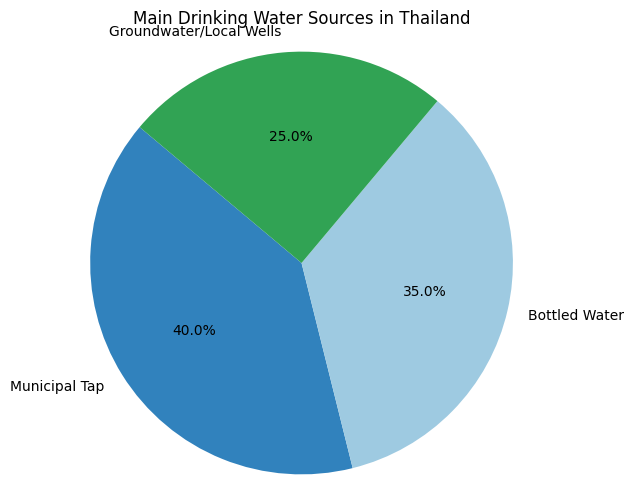
Type of Source | Main Feature | Potential Issue |
Municipal Tap | Centralized regulation | Outdated pipes in older neighborhoods |
Bottled Water | Extensive brand variety | Plastic packaging concerns |
Groundwater | Local wells and springs | Possible contaminants from soil |
tap water in thailand
The Metropolitan Waterworks Authority ensures tap water in Thailand meets World Health Organization standards. Despite this, the risk of contamination remains due to aging pipes. These pipes can leak bacteria and chemicals into the water supply. In Bangkok’s Lat Phrao district, a condo’s water became unsafe due to contact with old plumbing, underscoring the need for modern infrastructure.
Many people in Thailand boil or filter their tap water to combat harmful germs. Boiling can kill bacteria, but it may not eliminate all contaminants. This leads to a common dilemma: choosing between bottled water and tap water. The warm climate exacerbates the issue, as microbes thrive in such conditions.
Residents often use filters as an additional precaution. Travelers must consider convenience and safety when deciding on tap water in Thailand. Opting for bottled water can safeguard against illness and alleviate concerns about contaminants in older pipes.
Possible Health Risks for Visitors
Travelers often focus on scenic attractions and local cuisine but might overlook unseen dangers. The quality of drinking water is a significant concern, as it can lead to waterborne illnesses. Being aware of contamination can help prevent stomach-related issues. This knowledge is essential for those looking to stay healthy in Thailand.
Common Waterborne Illnesses
Many travelers encounter germs in unclean water. Bacteria or parasites can be present in untreated sources. Symptoms like vomiting and diarrhea may occur, leading to dehydration if not treated promptly.
Choosing sealed, filtered, or boiled drinks can help reduce risks. Simple measures can keep both short-term visitors and long-term guests healthy in Thailand.
Vulnerabilities for Sensitive Stomachs
Individuals with delicate digestive systems or existing health issues may be more affected by waterborne illnesses. Carrying over-the-counter remedies can provide quick relief. Some prefer certified bottled options, while others use portable purifiers.
A thoughtful approach can limit discomfort and ensure a safer trip. This is important for those eager to enjoy the region’s highlights without health issues.
Bottled Water Options and Safety Measures
Many visitors opt for bottled water to ensure safe drinking. Stores and cafés offer a variety of options, catering to different budgets and tastes. Each bottle is sealed to preserve freshness.
The debate between bottled water and tap water in Thailand is ongoing. Travelers seek to avoid digestion issues. Filtered alternatives are available, but sealed bottles from well-known brands are often the preferred choice.
Popular Brands and Their Standards
Leading suppliers adhere to strict purification methods and follow industry guidelines. Brands like Crystal, Singha, and Nestlé Pure Life undergo testing for mineral balance and contaminants.
- Crystal: Known for consistent filtration steps and secure packaging
- Singha: Recognized for advanced quality checks tied to manufacturing protocols
- Nestlé Pure Life: Popular worldwide with regular lab tests to ensure purity
These brands are committed to protecting consumers and promoting safe drinking. Labels on bottles show the results of thorough sampling.
Recycling and Plastic Waste Concerns
In some areas, plastic waste is a major problem for landfills and waterways. Using refillable containers or bulk-sized bottles can help reduce waste. Eco-conscious brands are now exploring plant-based materials and highlighting recycling points to mitigate environmental impact.
Water Filtration and Purification Methods
Removing contaminants is essential for safe drinking. Many turn to water filtration systems thailand to tackle issues like chemical residues and microbial threats. Each method offers different levels of filtration or purification, catering to various needs.
Household Filtration Systems
Basic filters capture sediment and odors. Ultrafiltration keeps beneficial minerals while blocking smaller organisms. Reverse osmosis removes heavy metals, and ultraviolet light kills viruses without changing taste. The choice often hinges on water quality tests and maintenance preferences.
System | Main Feature | Maintenance |
General Filters | Removes sediment and chlorine | Low cost, frequent cartridge swaps |
Ultrafiltration (UF) | Tiny pores block bacteria | Simple care, no electricity |
Reverse Osmosis (RO) | Eliminates viruses, heavy metals | Higher expense, regular checks |
UV Purifiers | Neutralizes pathogens with light | Requires electricity, bulb replacements |
Portable Purifiers for Travel
Pump models force water through dense filters. UV devices fit into bags and leave no chemical taste. Filter bottles offer convenience and simplicity. Chemical tablets disinfect water but may alter its taste. Combining different methods ensures safety in remote and urban areas.
Regional Differences in Water Supply
In cities like Bangkok and tourist spots such as Phuket, modern water systems and strict oversight are common. Yet, tap water in Thailand varies in taste, color, and smell due to local resources. Travelers often face fewer problems in well-developed cities. But, rural areas can be a different story.
Factors influencing water treatment include:
- Population density and available financial support
- Industrial discharge or agricultural run-off
- Regional infrastructure investments
These elements impact the quality of drinking water in Thailand. Many visitors check local conditions before drinking tap water. Some opt for filtration systems or bottled water with safety standards. A detailed guide on local water options is available at this resource. It provides tips and precautions for traveling across different provinces. Knowing these regional differences helps travelers prepare for each leg of their journey.
Ordering Beverages in Restaurants and Cafés
Dining out can be a delightful experience for those focused on safe drinking practices. Choosing a trustworthy beverage is a key step for travelers in Thailand. Most eateries offer a range of options, including bottled water from brands like Nestlé and Crystal. This ensures a reliable standard of purity.
Staff members in many locations are open to questions about water sources or methods of preparation. Their answers help visitors feel more confident about sipping tea, coffee, or fruit blends. Asking about filtration methods is a sensible habit that boosts peace of mind.
How to Request Safe Water
Many guests prefer personalized approaches. They ask for purified or boiled water, trusting the staff to accommodate any concerns. Each request may involve a small additional fee, yet it adds reassurance for those committed to safe drinking practices.
Considering Ice and Other Additives
Ice cubes often come from filtration services, though it is wise to confirm. Fresh juices or smoothies can mingle with unfiltered ingredients, so a polite inquiry helps maintain healthy habits. Traveling opens plenty of flavors, and a little caution ensures everyone learns how to stay healthy in Thailand.
The Custom of Boiling Water
Locals often have a kettle ready to boil water, a tradition that spans generations. This practice is a common response to concerns about tap water safety in Thailand. By reaching high temperatures, boiling water effectively kills many harmful microbes, providing reassurance to households.
Travelers may observe this custom while exploring local neighborhoods. They see families carefully cooling and storing the boiled water in clean containers. This method adds an extra layer of safety against tap water in Thailand. Yet, it doesn’t eliminate heavy metals or chemical residues. To achieve better protection, combining boiling with proper filtration or using sealed bottled water is advisable.
Boiling Step | Key Benefit |
Bring water to a full boil | Neutralizes harmful organisms |
Use a sterile container | Prevents recontamination |
Practical Guidance for Expats
Finding reliable drinking water can alleviate daily stress. Newcomers often seek home-based solutions to tackle contaminants and lower health risks. This method empowers them to maintain health in Thailand without fretting over hydration.
Monitoring Water Quality at Home
Keeping filters in top shape boosts kitchen confidence. Many expats opt for multi-stage units to combat common pollutants. They diligently clean tanks and swap out cartridges, alert to any decline in flow or taste anomalies. A quick check at local clinics can verify if your system is up to par.
These precautions minimize exposure to harmful substances and enhance confidence in water filtration systems in Thailand. A regular maintenance schedule streamlines upkeep, creating a safer living space.
Local Support and Resources
Communities unite to exchange knowledge on reliable water delivery, filtration brands, and testing facilities. They frequently discuss updates from the Thai Ministry of Public Health, keeping everyone abreast of new guidelines. Forums offer valuable advice, dispelling fears about water quality.
Being part of a community also provides insights on maintaining health in Thailand through lifestyle adjustments. This support network aids newcomers in settling down with fewer health concerns.
Myths and Misconceptions About Drinking Water
Travelers often face conflicting advice on safe drinking options. Some believe modern infrastructure ensures water purity, while others doubt it without thorough treatment. These myths persist due to neglect of actual water quality data and possible contaminants.
Distinguishing Fact from Fiction
One widespread rumor suggests locals’ tolerance of tap water means it’s safe for visitors. This overlooks how long-term exposure affects the immune system. Another myth claims boiling water eliminates all impurities, ignoring that heavy metals can persist.
Cultural Beliefs That Influence Perceptions
Daily habits shape people’s views on water safety. Some families boil water in large containers, a practice aimed at reducing waterborne illnesses. Bottled water is often the first choice for guests, reflecting a cautious approach. Recognizing these customs aids visitors in making better hydration and health choices.
Precautions for Visitors Seeking Health and Safety
Staying healthy while traveling abroad is greatly enhanced by practicing safe drinking habits. Many travelers in Thailand carry a portable water filter or a small electric coil to purify water. It’s essential to let boiled water cool down and store it in a clean, covered container. Always check the seal of factory-sealed bottles before opening to minimize contamination risks.
It’s wise to avoid unpurified ice, as it can harbor harmful bacteria. A solid plan includes using bottled water for oral hygiene, washing fruits, and staying hydrated, even on hot days. Recognizing early symptoms of waterborne illnesses, such as diarrhea or fever, is critical. This allows for prompt medical attention and prevents more severe health issues. Opting for hot beverages like tea or coffee, made with clean water, can be a safer alternative in uncertain environments.
- Boil water for at least one minute to kill disease-causing organisms.
- At higher elevations above 6,500 feet (1,981 meters), boil water for three minutes.
- Use bottled or boiled water for brushing teeth to reduce health risks.
Elevation | Boiling Time | Key Tip |
Sea Level to 6,500 ft | 1 Minute | Ensure a rolling boil before cooling |
Above 6,500 ft | 3 Minutes | Longer boil combats reduced boiling point |
Choosing the Best Drinking Water Option in Thailand
Travelers on short trips often opt for bottled water due to its immediate availability. Those staying longer might boil tap water, but this method doesn’t eliminate all contaminants. For more assurance, water filters and purification devices are recommended.
The choice of water source depends on several factors. Location, duration of stay, budget, and risk tolerance play a role. Short visits might prioritize convenience, while longer stays require more practical solutions. Adventurers may carry purification tablets and compact filters for added safety.
For a detailed look, check out this resource. It provides a balanced view on staying healthy in Thailand. With the right information, travelers can enjoy their stay without worry.