
Tap Water in Bangkok: The Reality
The safety of drinking tap water in Bangkok is far from ideal. The city’s water treatment process includes filtration and chlorination. Yet, it doesn’t ensure the complete removal of contaminants. Bacteria, chemicals, and heavy metals may remain, posing health risks to those drinking directly from the tap.
Bangkok’s water management system faces challenges due to aging infrastructure and environmental pollution. Older pipes in some areas can contaminate tap water, even after treatment. High chlorine levels in water treatment can also cause skin irritation and digestive problems.
Short Answer: Not Recommended
Considering the uncertainties about Bangkok’s tap water purity, it’s not advisable to drink it without proper filtration or purification. The risk of harmful contaminants is too high, affecting those with sensitive stomachs or weakened immune systems.
Water Treatment in Bangkok

Despite efforts by water treatment facilities in Bangkok, tap water quality remains uncertain. The treatment process includes:
- Filtration to remove solid particles and debris
- Chlorination to disinfect and eliminate harmful bacteria
- pH adjustment to ensure water is not too acidic or alkaline
Yet, these steps do not remove all contaminants, like dissolved chemicals and heavy metals.
Locals and Bottled Water
A significant portion of Bangkok’s population relies on bottled water due to tap water concerns. Bottled water has become a cultural norm, with locals and visitors choosing it for safety.

Yet, bottled water use poses environmental challenges. Its production, transportation, and disposal contribute to water pollution and strain waste management systems. A single plastic bottle can take up to 450 years to decompose, worsening Bangkok’s environmental crisis.
Reasons Why Tap Water is Unsafe in Bangkok
Despite efforts to ensure clean drinking water, Bangkok’s tap water remains unsafe. This is due to the city’s aging infrastructure, inconsistent water treatment, and environmental pollution. These factors combine to make tap water a health risk.
Varying Water Types and Old Pipes

Bangkok’s tap water comes from the Chao Phraya River and groundwater. The mix of water types and old, corroded pipes lead to water contamination. As water moves through these pipes, it picks up contaminants like rust, lead, and harmful substances.
Chlorine Residue Hazards
Chlorination is used to disinfect water, but too much chlorine can be harmful. In June 2021, a luxury condominium in Bangkok faced a chlorine-related health crisis:
Date | Event |
June 14 | 90 residents reported eye inflammation |
June 25 | Acanthamoeba parasite found in tap water |
June 26 | Eye inflammation cases rose to 200 |
July 3 | 3 water tanks found uncleaned and without chlorine shock |
This incident shows the need for proper water testing and treatment to protect residents’ health.
Bacterial Contamination in Poor Plumbing
Poor plumbing and maintenance lead to bacterial growth in water systems. Stagnant water in neglected pipes and tanks is a breeding ground for harmful bacteria. This compromises the water quality in Thailand.
Environmental Pollution
Bangkok’s rapid growth and industrialization have caused water pollution. Industrial waste, sewage, and agricultural runoff contaminate water sources. They introduce toxic substances and pathogens into the water supply.
To safeguard public health, regular water testing and infrastructure upgrades are essential. Until significant improvements are made, residents and visitors should rely on bottled water or advanced filtration systems for safe drinking water.
Bottled Water: The Preferred Choice
In Bangkok, bottled water has become the preferred choice for both locals and visitors. This is due to concerns over tap water safety. With about 70% of residents avoiding tap water, bottled water consumption has skyrocketed. It is now more popular than any other beverage in the city.

Tap water in Bangkok undergoes treatment, but it doesn’t eliminate all contaminants. Bacteria, chemicals, and heavy metals can remain. Older buildings and hotels with outdated plumbing systems pose a higher risk of bacterial contamination. Chlorine in treated water can also cause health issues like skin irritation and digestive problems. These concerns have fueled the demand for bottled water as a safer alternative.
The South East Asia bottled water market is expected to grow significantly. It is projected to have a CAGR of 6.00% from 2024 to 2032. The market offers a variety of products, including different types of water. Distribution channels range from supermarkets to direct sales and on-trade establishments.
Product Type | Distribution Channel |
Stil Water | Supermarkets and Hypermarkets |
Carbonated Water | Convenience Stores |
Flavored Water | Direct Sales |
Mineral Water | On-Trade |
While bottled water offers a convenient and safe solution for drinking water, it contributes to plastic pollution. Bangkok faces significant waste management challenges, with plastic bottles being a major part of the waste. As environmental concerns grow, innovative solutions like the Air-to-Water Mineral Water Dispenser are becoming popular. They offer an eco-friendly alternative, eliminating the need for single-use plastic bottles while ensuring access to safe and high-quality drinking water.
Environmental Issues with Bottled Water
Bottled water, seen as a safer choice than tap water in Bangkok, poses significant environmental risks. The proliferation of plastic bottles has led to a severe pollution crisis in the city and globally. Recent research has revealed the dire consequences of this issue on our planet’s future.
Plastic Pollution
In Bangkok and other cities, plastic bottles are a major contributor to pollution. A 2018 study by Orb Media and the State University of New York in Fredonia found that 93% of bottled water tested across 11 brands in nine countries contained microplastics. Over half of the brands had more than 1,000 pieces of microplastic per liter. These findings underscore the widespread plastic pollution and its detrimental effects on our water resources.

The lifecycle of plastic bottles, from production to disposal, further exacerbates environmental pollution. Here are some disturbing facts:
- Only 9% of plastics worldwide are ever recycled
- 24 million gallons of oil are needed to produce one billion plastic bottles
- 79 percent of all plastic ever made remains in landfills globally
- Approximately 20 million metric tons of plastic are released into the environment annually
Decomposition Time of Plastic Bottles
One of the most alarming aspects of plastic bottles is their prolonged decomposition.
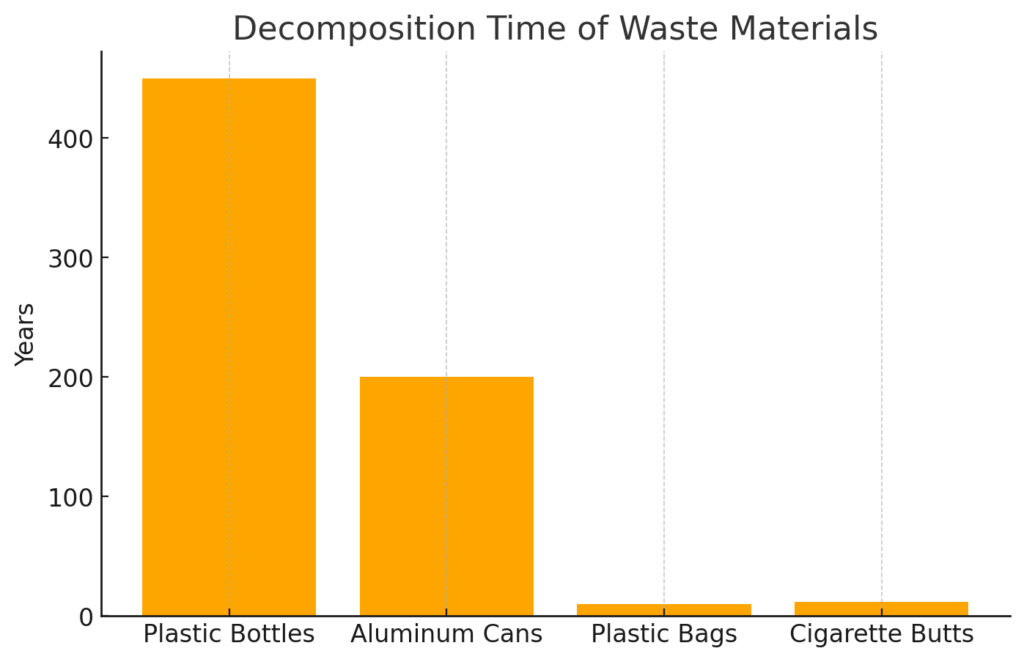
Plastic can remain in the environment for centuries or even millennia, causing irreparable harm to ecosystems and wildlife. Below is a table showing the decomposition times for different materials:
Material | Decomposition Time |
Plastic Bottles | 450 years |
Aluminum Cans | 200 years |
Plastic Bags | 10-1,000 years |
Cigarette Butts | 10-12 years |
As these materials decompose, they release harmful substances and microplastics into the environment. This contamination affects soil, water, and even the air we inhale. The prolonged decomposition of plastic bottles intensifies the environmental pollution caused by their widespread use. It is imperative to seek sustainable alternatives to safeguard our water resources and the planet.
Minairal: A Creative Solution to Hydration Problems
In Bangkok, tap water is not safe for drinking. This makes finding a reliable source of drinking water essential. Minairal’s air-to-water mineral water dispenser offers a sustainable and convenient alternative to bottled water.
Air-to-Water Mineral Water Dispenser

Minairal’s technology condenses air moisture and purifies it to create mineral water. It can produce up to 30 or 60 liters of fresh water daily. This ensures a constant supply of safe drinking water for homes and offices.
Zero Use of Plastic Bottles

Minairal’s air-to-water dispenser eliminates the need for plastic bottles. This significantly reduces plastic waste and your carbon footprint. It provides clean, healthy water and helps make the environment greener in a city facing pollution challenges.
Purification Process

Minairal’s water purification system meets strict international safety standards. It uses a multi-stage water treatment process. This removes impurities, contaminants, and bacteria, ensuring the water is clean, safe, and mineral-rich.
Purification Stage | Function |
Pre-filtration | Removes large particles and impurities |
Activated Carbon Filter | Eliminates chlorine, odors, and taste impurities |
Reverse Osmosis Membrane | Removes up to 99% of contaminants, including bacteria and viruses |
Post-filtration | Enhances water quality and remineralizes the purified water |
With Minairal’s air-to-water mineral water dispenser, you can have fresh, clean drinking water at your fingertips. It also contributes to a more sustainable future.
Benefits of Minairal’s Air-to-Water Dispenser
Minairal’s Air-to-Water Mineral Water Dispenser is a groundbreaking solution for accessing clean, sustainable water in Thailand. It provides an eco-friendly hydration option, addressing the pressing issue of water quality in Thailand.
Daily Fresh and Pure Mineral Water
Minairal’s dispenser can produce 30 to 60 liters of fresh mineral water daily. It ensures a constant supply of pure, great-tasting water for homes and businesses. This eliminates the need for potentially contaminated tap water or the constant purchase of bottled water, promoting a healthier lifestyle.
Elimination of Plastic Bottles
By generating water directly from the air, Minairal’s dispenser eliminates the need for single-use plastic bottles. This significantly reduces environmental impact from bottled water, a major contributor to pollution in Thailand. Adopting this sustainable water solution helps combat the plastic crisis and promotes a greener future.
Easy Installation and No Plumbing Required
Minairal’s Air-to-Water Dispenser stands out for its ease of installation. Unlike traditional systems, it doesn’t require plumbing or complex setup. It can be placed in various settings, including apartments, offices, and public spaces, making eco-friendly hydration accessible to many.
By embracing Minairal’s technology, individuals and organizations in Thailand can improve their water quality while supporting a sustainable environment. This innovative solution offers a reliable, cost-effective, and environmentally conscious alternative to current water challenges in the country.
Cost-Effectiveness of Minairal’s Dispenser
Choosing a cost-effective water solution like Minairal’s air-to-water mineral water dispenser can save a lot of money in the long run. It’s perfect for homes and businesses that use a lot of bottled water. The dispenser makes fresh, mineral-rich water from air, cutting down on bottled water purchases. This reduces costs and environmental harm.
The Minairal dispenser can make 30 to 60 liters of pure mineral water every day. It’s a green alternative to traditional water management methods. It pays for itself in just 14 months, or instantly if rented. Plus, it’s easy to set up, needing no plumbing. This makes it great for apartments and offices.
Product | Price Range | Original Price | Discounted Price |
Air-to-Water Mineral Water Dispenser | ฿2,900 – ฿3,900 | – | – |
CO2 & Refill Service for Soda | ฿290 – ฿890 | – | – |
Soda Maker Kit PINK GOLD + 2 CO2 Cylinders | – | ฿4,200 | ฿4,000 |
Choosing Minairal’s dispenser helps save water resources by cutting down on single-use plastics. One machine can replace 15,000 plastic bottles a year. This helps reduce the 8 million tons of plastic bottles that end up in oceans annually. It’s good for the planet and ensures healthier drinking water, as 90% of bottled water contains microplastics.
Superior Water Quality from Minairal
Minairal’s air-to-water mineral water dispenser is a game-changer in Thailand’s market. It ensures access to clean, safe drinking water. This technology provides pure water and health benefits, surpassing tap or bottled water.
Mineral-Rich Water
Minairal’s dispenser produces mineral-rich water. Unlike tap water or contaminated bottled water, it offers a fresh, crisp taste. Essential minerals like calcium and magnesium enhance its quality and health benefits.
Health Benefits

Drinking mineral-rich water from Minairal’s dispenser boosts health. It improves digestion, enhances skin health, supports bone density, and increases energy levels.
- Improved digestion: The minerals in the water help regulate digestive processes and promote healthy gut function.
- Enhanced skin health: The hydrating properties of mineral water can contribute to clearer, more radiant skin.
- Better bone density: Calcium and magnesium in the water support strong bones and reduce the risk of osteoporosis.
- Increased energy levels: The body’s efficient absorption of minerals from the water can lead to a natural energy boost.
Contaminant-Free
The water from Minairal’s dispenser is purified to remove contaminants. This ensures water safety. It addresses water contamination and poor water quality in Thailand, giving consumers peace of mind.
Contaminant | Removal Efficiency |
Bacteria (e.g., E. coli, Salmonella) | 99.9999% |
Viruses | 99.99% |
Heavy Metals (e.g., Lead, Mercury) | 99.9% |
Chemicals (e.g., Chlorine, Pesticides) | 99.9% |
Choosing Minairal’s air-to-water mineral water dispenser offers many benefits. Enjoy mineral-rich, contaminant-free water for optimal hydration and health.
Convenience of Minairal’s Dispenser
Minairal’s air-to-water dispenser revolutionizes access to convenient water in homes and offices. It eliminates the need for costly water delivery services. This water management system provides fresh, clean drinking water instantly.
The technology behind Minairal’s dispenser is both convenient and eco-friendly. It can produce up to 60 liters of mineral-rich water daily. This means one machine can replace about 15,000 single-use plastic bottles yearly. It greatly reduces plastic waste and conserves our planet’s water resources.
Feature | Benefit |
No plumbing required | Easy installation in any location |
Up to 60 liters per day | Ample supply for daily hydration needs |
Eco-friendly technology | Reduces single-use plastic bottle waste |
Minairal’s air-to-water dispenser is also cost-effective. Prices range from ฿2,900 to ฿3,900, with an average break-even point of 14 months. Renting an air-to-water machine offers an immediate return on investment.
Choosing Minairal’s dispenser means gaining a convenient water source while helping manage our planet’s water resources responsibly. Embrace the future of hydration with Minairal. Enjoy the ease of having fresh, clean water at your fingertips.
Alternatives to Tap Water in Thailand
In Bangkok, tap water is not safe for drinking. Yet, there are many alternatives to keep you hydrated without risking your health or the environment. Options include bottled water, filtered water dispensers, and even air-to-water mineral water dispensers.
Bottled water is a common choice, with prices from 10 to 20 Thai Baht for a 1.5-liter bottle at local stores. But, expect to pay double or triple in tourist areas and hotels. Choose reputable brands like Singha and Chang for better purification standards.
Water filtration systems at home are another option, costing between 4,000 to 10,000 baht. These systems combine reverse osmosis (RO) with ultraviolet (UV) and ozone treatments for water safety. RO water is the cheapest source of drinking water, with a pH level between 3.0 and 7.0 and a PRAL value close to 0.
Water Alternative | Price Range (Thai Baht) | Pros | Cons |
Bottled Water | 10-60 per 1.5L | Convenient, widely available | Environmental impact, higher cost |
Home Filtration Systems | 4,000-10,000 (initial cost) | Long-term cost savings, customizable | Initial investment, maintenance required |
Air-to-Water Dispensers | Varies by model | Eco-friendly, mineral-rich water | Limited availability, higher upfront cost |
Minairal’s air-to-water mineral water dispensers offer a unique solution to hydration. They extract moisture from the air and filter it, producing pure, mineral-rich water. This eco-friendly option may have a higher initial cost but offers long-term benefits for health and the environment.
Is it Safe to Brush Your Teeth with Tap Water in Thailand?
Concerns about tap water safety in Thailand often lead to questions about brushing teeth with tap water. Many believe it’s safe to brush teeth with tap water, provided you don’t swallow it. Yet, for those worried about water contamination and oral health, using bottled or filtered water is the safer choice.
The Metropolitan Waterworks Authority (MWA) states Bangkok’s tap water meets 98% of WHO standards from 2010 tests. Despite this, many are cautious about water quality in Thailand. Bangkok’s tap water fluoride levels are between 0.12 to 0.26 mg/L, well below WHO’s 1.5 mg/L guideline. Yet, other contaminants and bacteria in the water can be risky.
"Brushing teeth with tap water is generally acceptable, but using bottled water is advised for those concerned about hygiene."
Boiling tap water can kill bacteria but doesn’t remove heavy metals or toxins. So, even boiled water isn’t completely safe for drinking. To maintain tap water safety, it’s best to use bottled or filtered water for drinking and brushing teeth in Thailand.
Safety of Thailand’s Bottled Water
In Thailand, bottled water is the go-to for hydration, favored by both locals and tourists. Tap water is not safe to drink across the country. So, people turn to sealed bottles from reliable brands to stay hydrated. But, not all bottled water is the same, and knowing the differences is key to staying safe.
Store-Sealed Bottled Water: The Safest Bet
For bottled water in Thailand, choose store-sealed options from well-known brands like Nestle, Crystal, and Singha. These brands adhere to quality control measures and are deemed safe. You can find these brands at places like Tesco, Makro, Big C, 7-11, and Family Mart.
The cost of bottled water can differ based on size and brand. Generally, you’ll pay around:
- 5-10 THB for a small bottle
- 7 THB for a 0.5-liter bottle
- 10 THB for a 0.75-liter bottle
Delivered Bottled Water: Possible Risks
Many in Thailand use bottled water delivery services, which offer 5-gallon plastic bottles for 8 to 12 baht each. While convenient, these services come with risks.
The main concerns with delivered bottled water are:
- Reuse of bottles without proper cleaning and sterilization
- Possible contamination from fungus or cleaning agent residue
- Uncertainty about the water source and treatment processes
To avoid water contamination and ensure top water quality in Thailand, opt for store-sealed bottled water from trusted brands. Making smart choices about your drinking water helps you stay hydrated and healthy in Thailand.

Drinking Water in Thai Restaurants
In Thailand, most restaurants focus on providing safe drinking water to their guests. They understand the critical role of water safety and aim to maintain high standards for their restaurant water. By ensuring the water is odor-free and free from contaminants, they aim to prevent water-related illnesses and keep customers happy.
Despite Thailand’s tap water quality scoring just 42.7 on the Environmental Performance Index (EPI), restaurants take extra steps to ensure water safety. In contrast, the United Kingdom scores 100, and the United States scores 89.3. This highlights the significant gap in tap water quality between these countries and Thailand.
To uphold water safety, many Thai restaurants choose bottled or filtered water. Bottled water is affordable, with 500ml bottles starting at 6 THB ($0.17 USD) and 1.5L bottles around 13 THB ($0.36 USD). Yet, prices can soar at tourist spots like the Grand Palace in Bangkok, where a 500ml bottle might cost 20 THB, over three times the usual price.
Restaurants also use purified water ice, ensuring it’s safe for customers. This shows Thai restaurants’ dedication to their patrons’ health by providing safe drinking water options.
Using Tap Water for Cooking in Thailand
In Thailand, the water used for cooking is critical. Tap water is generally safe, but bottled or filtered water is recommended to avoid health risks. Tap water may contain minerals, chemicals, and contaminants that could affect food safety and quality.
Statistics show that 32% of the world’s population faces health risks from arsenic in water. In Thailand, tap water often comes from rivers and lakes, which can be contaminated by industrial waste and agricultural runoff. Water treatment plants try to make tap water safe, but their success varies, more so in rural areas.
Using clean, safe water for cooking is essential for water safety and to prevent waterborne diseases. Common illnesses in Thailand include cholera, typhoid, and hepatitis A, which can come from contaminated water or food. The rainy season increases these risks due to flooding and water contamination.
When preparing food, the water used for washing vegetables, fruits, and other ingredients is key. If you’re unsure about tap water safety, use bottled or filtered water for rinsing. Also, avoid making ice cubes with tap water, as freezing doesn’t remove contaminants.
Choosing safe cooking water reduces the risk of harmful bacteria, chemicals, and pollutants. This not only protects your health but also ensures your food tastes better and remains quality. So, when cooking in Thailand, always opt for bottled or filtered water to ensure food safety and peace of mind.
water quality in Thailand?
Water quality in Thailand varies significantly by region and source. In urban areas like Bangkok, tap water is treated but may contain contaminants. This makes it unsafe for direct consumption. The risk of bacteria, parasites, and harmful substances is higher in rural or remote areas.
Surveys show the water quality along Thai coasts:
- 49% of surveyed locations had seawater of good quality
- 43% of surveyed locations had seawater of moderate quality
- 6% of surveyed locations had seawater of deteriorated quality
- 2% of surveyed locations had seawater of highly deteriorated quality
Over the past decade, 90% of Thai coasts had seawater of moderate to high quality. Samila beach in Songkhla province had the cleanest seawater. The most polluted was in the Chao Phraya River estuary in Samut Prakan. The Andaman Sea coast has cleaner seawater compared to the Gulf of Thailand’s inner areas.
It’s essential for locals and visitors to be aware of tap water risks in Thailand. Boiling tap water doesn’t eliminate heavy metals and nitrates. In rural areas, rainwater collected in clay barrels is used for drinking, but bottled water is recommended for safety.
Bottled water is widely available in Thailand, starting at 5-10 THB for small bottles in supermarkets. A 0.5-liter bottle costs about 7 THB, and a 0.75-liter costs around 10 THB. Water dispensers charge 1 THB per liter. Many locals use multiple water filters for their home water supply to ensure better quality and safety.
In most Thai restaurants, water is provided for free to customers. But tourists should avoid consuming ice, as it can cause diarrhea in hot weather, even if made from sterile water.
What to Do if You Get Sick from Water in Thailand
If you think you’ve caught a waterborne illness in Thailand, act quickly for your safety. Start by drinking safe, bottled water and electrolyte solutions to replenish lost fluids. Keep an eye on your symptoms, as mild stomach issues can often be managed with rest and over-the-counter meds. But, if you have severe symptoms like high fever, bloody stools, or non-stop vomiting, get medical help fast to prevent dehydration.
To avoid getting sick from contaminated water, practice good hygiene and choose safe drinking water. Factory-sealed bottled water is the safest option, as tap water in Thailand is not safe to drink. If you’re not sure about the water safety at your place, check the CDC’s guidelines on water disinfection methods to purify potentially contaminated water.
Remember, traveler’s diarrhea is common in Thailand, showing up within six to 24 hours after exposure. Most cases clear up in a few days, but some can last weeks or months, suggesting a parasitic infection. If you have a weak immune system or chronic stomach problems, you’re more at risk for serious issues. By staying informed, practicing good hygiene, and getting medical help when needed, you can reduce the impact of waterborne illnesses and have a safe, healthy trip to Thailand.
FAQ
Is it safe to drink tap water in Bangkok?
Tap water in Bangkok is treated but not safe for direct consumption. It may contain bacteria, chemicals, and heavy metals. Most locals prefer bottled or filtered water instead.
What are the reasons why tap water is unsafe in Bangkok?
Several factors make Bangkok’s tap water unsafe. These include different water types in various regions and old pipes leading to contamination. Chlorine residue from treatment and bacterial contamination from poor plumbing also play a role. Environmental pollution from industrial waste or undisposed sewage is another concern.
What is the most common alternative to tap water in Bangkok?
Bottled water is the primary hydration source in Bangkok. It’s widely available and preferred by both locals and visitors due to tap water safety concerns.
What environmental issues are associated with bottled water in Bangkok?
Bottled water, while safer than tap water, poses significant environmental challenges. Plastic bottles contribute to Bangkok’s pollution, affecting waste management. These bottles take a long time to decompose, worsening environmental impacts.
What is Minairal’s solution to Bangkok’s hydration problems?
Minairal’s air-to-water mineral water dispenser condenses and purifies air moisture to produce high-quality mineral water. It eliminates the need for plastic bottles, ensuring clean, safe drinking water through strict international safety standards.
What are the benefits of using Minairal’s air-to-water dispenser?
Minairal’s dispenser offers a daily supply of fresh, pure mineral water. It eliminates single-use plastic bottles and is easy to install without plumbing. It’s ideal for households, businesses, and organizations in Thailand seeking a clean, sustainable hydration source.
Is Minairal’s air-to-water dispenser cost-effective?
The initial cost of Minairal’s dispenser may seem high. Yet, it’s cost-effective for businesses or families consuming large amounts of bottled water. It saves money by eliminating the ongoing expense of bottled water purchases.
What is the quality of water produced by Minairal’s dispenser?
Minairal’s dispenser produces water that’s pure and mineral-rich. It offers a fresh, crisp taste superior to tap or bottled water. This mineral-rich water improves digestion and skin health, ensuring it’s free from contaminants and chemicals.
Is it safe to brush your teeth with tap water in Thailand?
Brushing teeth with tap water in Thailand is not recommended. Tap water may contain contaminants and chemicals. Bottled or filtered water is safer for oral hygiene and health.
What is the overall water quality in Thailand?
Water quality in Thailand varies by region and source. In urban areas like Bangkok, tap water is treated but may contain contaminants. Rural or remote areas face even greater risks, with harmful bacteria, parasites, and substances.
What should I do if I suspect I have become ill from drinking contaminated water in Thailand?
If you suspect illness from contaminated water, stay hydrated and monitor symptoms. Mild cases can be managed with rest, hydration, and over-the-counter medications. Seek medical attention if symptoms persist or worsen.