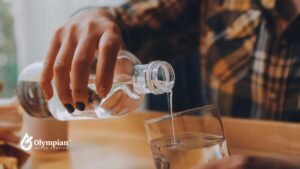

Why Swiss Water Quality Is So Highly Regarded
Switzerland’s clean drinking water reputation stems from a unique combination of natural resources and strict oversight. Glaciers at high altitudes are the primary source of water, ensuring clear runoff. This water then undergoes rigorous testing.
Government agencies, adhering to strict standards, monitor these supplies closely. Their diligence ensures that no contaminants can pass through. This culture of vigilance maintains the water’s purity, providing peace of mind for both residents and visitors.
Swiss water regulations are stringent, and advanced treatment processes are in place. This makes Swiss water safe, even from public fountains, as travel advisories confirm. Regular inspections boost public confidence in the country’s water supply.
Quality checks are frequent, helping to eliminate harmful bacteria. The Swiss government invests heavily in ongoing research to uphold these standards. Drinking water in Switzerland serves as a model for nations aiming to prevent pollution and enhance public health.
Factors That Make Swiss Water Exceptionally Pure
Switzerland’s mountain ranges and centuries-old glaciers create ideal conditions for pure water. Filtered through layers of compact snow and ice, each droplet encounters fewer pollutants. This results in water that is both crisp and refreshing.
Natural Filtration Through Glaciers
Glacier-fed water, when combined with advanced treatment, achieves outstanding clarity. Melted ice travels a path with minimal contamination, picking up less debris than lower-elevation sources. This high-altitude environment guards against excessive sediment and industrial runoff, contributing to Swiss tap water’s purity.
Stringent Government Regulations
Swiss regulations require continuous water testing to maintain strict safety standards. Officials monitor bacterial, chemical, and parasitic levels across municipal systems. This ensures that residents and visitors can trust their local supply. Frequent evaluations reflect a national commitment to public health, keeping Swiss tap water clean.
Key Quality Factors | Outcome |
Glacial Filtration | Removes contaminants naturally |
Frequent Testing | Maintains consistent purity |
Where Switzerland’s Water Sources Come From
The majority of Switzerland’s public water comes from alpine regions. Here, glaciers melt, releasing clear water that flows into valley streams. Mountain springs add to this, bringing minerals gathered from their journey down steep slopes. The high mountains ensure a constant flow of fresh water, essential for the nation’s abundant water supply.
Inland systems depend on the careful collection and storage of water. Operators use a mix of natural inflows and modern engineering to maintain water quality and quantity. Large-scale gathering points employ filtration methods to ensure the water is safe and tastes good. This makes public water in Switzerland reliable for both visitors and locals.
Glacial Meltwaters and Mountain Springs
The cold temperatures of the mountains help keep the water pure. Meltwater flows through rock layers, naturally filtering it. Springs at lower elevations channel this clean water, which many communities rely on for their daily needs.
Local Reservoirs and Treatment Facilities
Reservoirs collect large amounts of runoff before it reaches treatment plants. Skilled technicians oversee each step, removing impurities while preserving essential minerals. This process ensures the water is safe and enjoyable to drink.
Source Type | Main Features | Examples |
Glaciers | Cold meltwater flowing into lower valleys | Rhône Glacier, Aletsch Glacier |
Springs | Mineral-rich flows emerging in mountainous terrain | Jura Springs, Engadin Springs |
Reservoirs | Stored supplies monitored by treatment facilities | Lac de la Gruyère, Lake Lucendro |
tap water in Switzerland
In Switzerland, tap water is accessible in many places, including restaurants, hotels, and public areas. The country follows strict guidelines, ensuring water quality through frequent lab tests. These tests check for bacteria and chemical imbalances. This rigorous process ensures that visitors can enjoy clean, refreshing water without the need for expensive filtration systems.
Many locals refill their bottles at public fountains, which are clearly marked if they are not safe for drinking. Restaurants also offer tap water upon request, allowing guests to experience the pure alpine taste at every meal. Some travelers might wonder if they need special filters for safety. Yet, the consistent quality checks confirm the safety of Swiss water, giving visitors peace of mind.
The efforts to maintain water quality from source to tap have built trust among travelers. This trust comes from decades of careful regulation, protecting both locals and visitors. It’s a testament to Switzerland’s commitment to providing safe drinking water for all.
Comparing Tap to Bottled Options in Switzerland
Tap water in Switzerland is renowned for its cleanliness. It undergoes advanced filtration, making it a refreshing choice for locals and visitors alike. Bottled water, on the other hand, may involve additional steps that don’t necessarily enhance its purity. While some might opt for bottled water for convenience, the quality difference is often minimal.
Access to drinking water in Switzerland also ensures safety. Shoppers may explore various brands, but the tap water’s quality is hard to beat. The country’s commitment to premium sources guarantees a consistent taste. This reliability eliminates the need for mass packaging and costly shipping.
Taste Profiles
Residents often describe the tap water’s crisp flavor, thanks to its natural mountain origins. Bottled water may have distinct mineral notes, but many prefer the lighter, purer taste of tap water.
Environmental Impact
Choosing tap water in Switzerland reduces plastic use. Disposable bottles contribute to waste and increase carbon footprints. Opting for tap water supports a greener approach and preserves Switzerland’s natural beauty.
Etiquette for Drinking Water at Swiss Restaurants
Dining out often raises questions about water service. In Switzerland, some restaurants offer tap water as a courtesy, while others charge a small fee. These policies vary by region.
- In Ticino, restaurants must provide a free glass of water with main meals.
- In Zug, some venues charge for tap water, whereas others waive any fee.
- Elsewhere, owners decide whether to bill for tap water, leading to debates about fairness.
Asking for Tap Water
Guests who request tap water in Swiss restaurants usually encounter welcoming staff. A friendly tone and a simple “thank you” make the interaction pleasant. Many travelers appreciate clear communication, as they might be surprised by fees on their bill.
Customary Practices and Polite Gestures
Tipping is generous in Switzerland, with 85% of diners leaving extra as a gesture of appreciation. Rounding up to the nearest five-franc figure or giving around 10% is common. This practice shows respect for the attentive service provided by workers.
Many establishments use tap water sales to support charitable efforts, reflecting a broader commitment to global water initiatives. This encourages travelers to feel comfortable when ordering tap water in Swiss restaurants. It creates a thoughtful environment for both the server and the guest.
Health Advantages Linked to Swiss Water
Regular checks for harmful bacteria ensure the safety of local water sources. This helps travelers steer clear of common digestive issues. Facilities test for E. coli and Salmonella, significantly lowering the risk of infection. This leads to fewer gastrointestinal problems, boosting overall health.
Many locals praise Swiss tap water for its clean taste and mineral content, like calcium and magnesium. The low levels of chlorine and additives make it gentler on the stomach. Drinking from these alpine streams supports hydration safely.
For more on water quality in Switzerland, visit this official resource. It showcases the consistent evaluations across the country. Swiss tap water is a reliable choice for those seeking digestive comfort in the Alps.
Helpful Tips for Staying Hydrated in the Alps
Exploring mountain trails and enjoying the crisp alpine air is exhilarating. The breathtaking views bring immense joy. Yet, staying hydrated is essential to maintain alertness and energy at high elevations.
Using Public Fountains
Swiss towns often have fountains that provide free, refreshing water. Even in bustling areas like Interlaken, these fountains are available. They adhere to strict safety standards, showing the value of public water in Switzerland. Visitors frequently stop to refill their containers, reducing plastic waste and saving money.
Refilling Reusable Bottles
Carrying a durable container is a simple yet effective way to stay hydrated. Public water in Switzerland makes it easy to refill, promoting environmental consciousness. This practice also helps avoid unnecessary purchases, contributing to a more sustainable lifestyle.
Avoiding Dehydration in Higher Altitudes
Mountainous environments dry out the body more quickly. Drinking water regularly helps maintain energy levels. Taking short breaks to drink fluids can prevent headaches and fatigue, ensuring a safer and more enjoyable experience.
Debunking Myths About Drinking Water in Switzerland
Travelers often question the safety of Swiss water. They believe extra steps like filtration or boiling are essential. Yet, official tests show that tap water meets strict health standards. The combination of crisp mountain sources and advanced treatment ensures consistent purity.
Some wonder if the mineral content affects taste. Most find the water refreshing, thanks to natural glacier processes. These processes filter out impurities, leaving a balanced mineral composition that enhances flavor.
Mineral Content and Taste
Many believe high mineral levels result in an odd taste. In most Swiss regions, this is not the case. The water’s clarity, resulting from melted ice and spring water, reinforces its safety for everyday use.
Common Misconceptions
Popular tales can cause unnecessary concerns. It’s wise to verify official guidelines when in doubt. Key points include:
- No need for special filtration devices
- No evidence of harmful contaminants
Myth | Reality |
Tap water tastes strange | Rated crisp by most testers |
Extra boiling is needed | Regular checks ensure safety |
Enjoying a Refreshing Water Experience in Switzerland
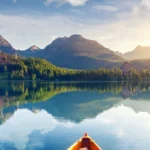
Switzerland’s rivers, lakes, and public fountains are renowned for their beauty and cleanliness. They are easily accessible, drawing admiration from around the world. Locals and visitors alike marvel at the crystal-clear streams in the Alps and the calm waters in historic towns. This showcases a culture deeply rooted in valuing its natural gifts and protecting them with great care.
Tap water in Switzerland exemplifies this commitment to purity. Many travelers fill their bottles at scenic fountains or modern taps, confident in the water’s quality. Each sip is a celebration of the country’s pristine landscapes, shaped by well-preserved glaciers and protected ecosystems.
Small acts, such as refilling reusable containers, deepen a sense of connection to local traditions. Hydration becomes part of the Swiss experience, linking people to the mountains and valleys they explore. This approach to sustainability and well-being encourages a meaningful way of life.
The chance to enjoy water at its finest is more than a convenience. It is a genuine reflection of the Swiss pursuit of balance between nature and community.