Overview of Spanish Water Sources
Across Spain, communities depend on a mix of mountain-fed reservoirs, coastline desalination plants, and river catchments for their water. These varied sources are essential for homes, farms, and businesses. The water’s hardness ranges from soft in northern areas to rich in mineral content in limestone regions. Each source is regularly checked to ensure it meets safety standards.
Strong pipeline networks are the core of Spain’s municipal water supply. They carry clean water to cities and towns of all sizes. Treatment plants then refine this water, keeping its quality consistent. This effort showcases Spain’s commitment to managing water efficiently and safely, benefiting both locals and tourists.
Source | Key Regions | Main Characteristics |
Mountain Reservoirs | Pyrenees, Sierra Nevada | Relatively soft water, high altitude catchment |
Rivers | Guadalquivir, Ebro | Moderate mineral content, seasonal flow variations |
Desalination Plants | Mediterranean Coast, Canary Islands | Processed seawater, vital for drier areas |
Quality Standards Across Spanish Cities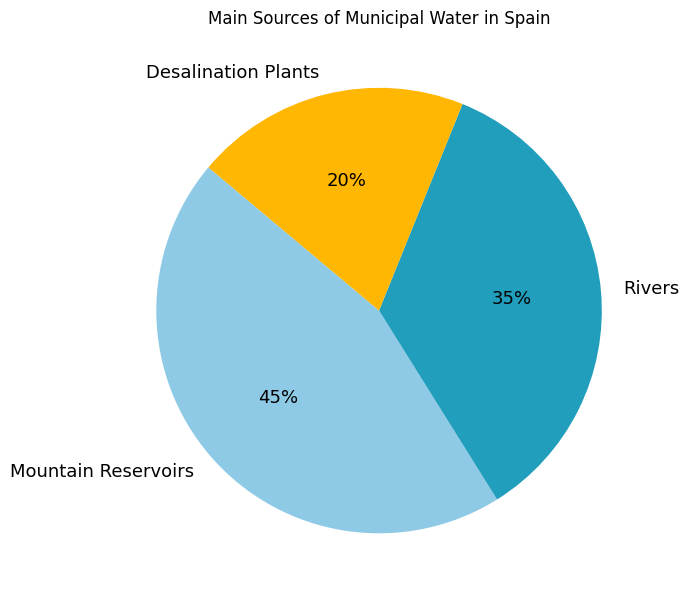
In major urban centers and smaller towns, strict guidelines oversee water safety. Urban planners often coordinate with local utilities to ensure modern infrastructure remains efficient. Every region follows clear rules to keep tap supplies consistent and dependable. This dedicated focus allows households and visitors to enjoy confidence in each sip.
Regulatory Bodies
The Spanish Ministry of Health works to protect water quality in Spain. Professionals within public agencies set strict legal thresholds, drawing guidance from EU water standards. Many municipalities collaborate with independent laboratories to broaden the scope of evaluations. Research centers share results to refine ongoing safety initiatives. Rules guide local departments as they enforce safeguards and respond quickly to concerns.
Monitoring Methods
Technicians examine water at multiple points in the system, checking for common contaminants. Many local labs follow testing regimens that uncover nitrates, E. coli, and metals. This routine approach demonstrates the depth of Spanish regulatory bodies in ensuring safe water across communities. Frequent checks align with national objectives to safeguard the public and bolster trust.
tap water in spain and Its Safety for Tourists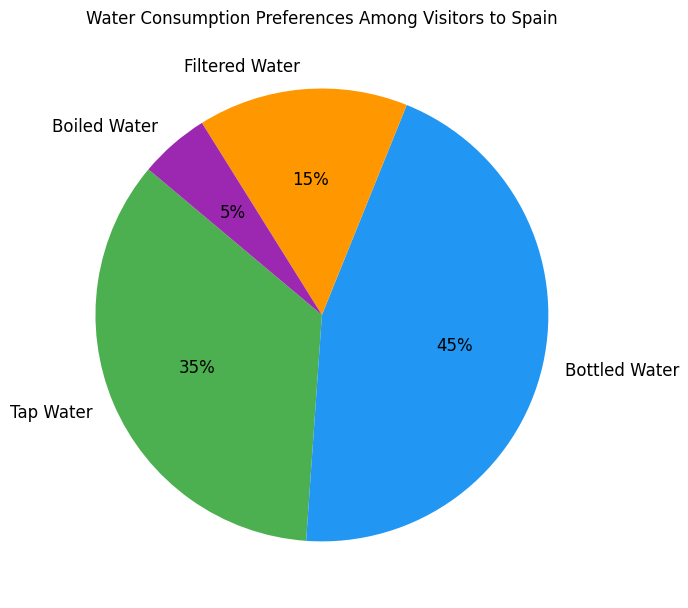
International experts, including the Centers for Disease Control and Prevention, recognize the high quality of local water supplies. Many first-time visitors express relief when they learn that tap water in Spain meets precise standards year-round. This benefit extends to every region, thanks to efficient treatment processes and continuous oversight.
Local utilities draw from mountain reservoirs in some areas, leading to crisp, clear flavor profiles. In coastal cities, the water may taste different due to trace minerals, yet it remains safe for anyone concerned about tourist health and safety. Many people choose to refill reusable bottles to cut expenses and stay eco-friendly.
- Helpful Tip: Refill your water bottle to reduce plastic waste.
- Reminder: Potable water for travelers can lower daily travel costs.
City | Water Source |
Madrid | High-altitude Reservoirs |
Barcelona | Safe Treatment Plants |
Residence vs. Travel: Differences in Water Usage
Daily hydration habits vary significantly based on one’s length of stay in Spain. Locals rely on tap water for all meals, with few reports of adverse effects. In contrast, visitors might be hesitant due to taste and mineral content. Yet, Spain’s well-maintained facilities ensure water safety differences for both locals and visitors.
Those who use water consistently in Spanish homes report no negative impacts. Many have adapted to the local minerals, which rarely cause health issues. Even those with sensitive stomachs rarely face problems, indicating the national water supply is reliable for long-term use.
Long-Term Health Implications
Regular tap water consumption by residents shows it meets stringent standards. Mineral levels are closely monitored, staying well below harmful thresholds. Locals take comfort in knowing their water is treated and safe for daily use.
Short-Term Traveler Concerns
Short-term visitors often question the taste and purity of tap water. Some choose bottled water out of habit or preference. Short-term travel tips from experienced travelers suggest tap water is generally safe, providing a refreshing option in tourist areas.
Tips for Safe Consumption Beyond Tap Water
Travelers often seek extra protection when unsure about local water sources. Boiling water for a minute can significantly reduce germ risk. This method is ideal for those with sensitive stomachs or babies, ensuring water is germ-free before use. It’s a simple yet effective way to ensure safe water consumption.
Portable water filters are another valuable tool. Brands like Brita and LifeStraw provide compact devices that filter out impurities. Carrying a reusable bottle and checking fountain cleanliness before refilling are also good practices. These habits not only promote hydration but also help in reducing plastic waste. By adopting these simple tips, travelers can enjoy their journeys with peace of mind and a healthy approach to hydration.
The Role of Filtration Systems and Bottled Water
Many individuals look for additional assurance regarding water quality. Home water filtration kits, such as those from Brita or other well-known brands, eliminate strong tastes and odors. These systems employ carbon or reverse osmosis to preserve minerals while improving clarity. They are a practical solution for those who desire a customized taste experience.
Bottled water in Spain is another favored choice. Brands like Evian or Nestlé are common in shops and restaurants nationwide. This option is convenient for visitors who are not accustomed to local tap water. Yet, it poses environmental concerns. Recycling is essential, and opting for reusable containers or water purification systems at home can significantly reduce waste.
For those interested in understanding local water standards, this detailed overview is a valuable resource. Investing in filtration or eco-friendly packaging not only ensures hydration but also minimizes environmental impact.
Common Myths and Misconceptions
Many visitors believe that water across the country does not meet health standards. This belief fuels myths about Spanish tap water, suggesting every faucet is contaminated. Yet, studies show that over 98% of municipal supplies meet strict quality guidelines.
Some bottled water myths suggest that packaged water is always purer than tap water. In reality, many brands use similar filtration methods. Regular checks confirm that both systems provide clean water. Another myth claims that higher mineral content in water can cause kidney stones. Research, though, suggests a different conclusion.
The quest for clarity helps debunk water safety concerns among travelers. It’s important to understand advanced treatment methods, strict regulations, and professional oversight. By staying informed, individuals can avoid unnecessary worries and have confidence in the water they use daily.
- Understand local testing results
- Check reliable data on mineral levels
- Stay mindful of proven health standards
Local Customs Around Water Etiquette
In everyday life, Spanish water etiquette blends heritage with steady shifts in preference. Many families explore tap vs. bottled customs based on convenience and generational habits. Restaurants follow water-serving traditions that symbolize warm hospitality and regional pride.
Historical Influences
Centuries ago, concerns about water quality led many establishments to favor bottled versions for safety and profit. Locals and travelers often assumed sealed sources were superior, so eateries charged for branded options. This tradition influenced a preference that persisted even as filtration methods improved.
Contemporary Practices
Modern regulations encourage businesses to keep tap water available upon request. Some diners, though, may receive bottled selections without asking, reflecting older customs that endure out of habit. Many places now welcome both styles, highlighting a mix of tradition and personal choice in Spain’s evolving culture.
Environmental Impact of Bottled Water in Spain
A study by the Barcelona Institute for Global Health revealed a stark contrast. If Barcelona’s population switched to bottled water, the environmental damage would skyrocket by 3,500 times. This would result in a yearly cost of $83.9 million from resource extraction. It would also lead to the loss of over one species annually due to habitat destruction.
Recent research found microplastics in five well-known bottled water brands. The average size of these particles was around 93 micrometers. This discovery heightens concerns about plastic waste. Single-use bottles contribute to landfills and marine pollution, posing significant threats.
Tap water in Spain, such as in Barcelona, is treated with advanced methods. This makes it a safe and eco-friendly choice. Studies show that using reusable containers and tap water can drastically reduce resource depletion and pollution. This change benefits both tourists and locals, promoting a healthier environment.
How to Stay Hydrated in Warmer Regions
Exploring coastal or inland areas requires a strategy to combat the heat. In Spain, staying hydrated becomes a top priority, given the intense sun and limited rainfall in certain provinces. Locals employ practical measures and routines to protect themselves from extreme temperatures.
Scorching days are common in various regions, each with its own climate. Inland cities like Madrid can reach highs of 40°C (104°F), with cooler nights. Coastal cities such as Seville and Málaga often exceed 30°C (86°F), sometimes reaching 35°C (95°F). The Balearic Islands, including Ibiza, experience temperatures around 25.6°C to 26.4°C (78°F to 80°F) in summer, with sea breezes helping to control humidity.
Regional Climate Differences
In Valencia, the urban heat island effect exacerbates nighttime warmth, increasing daily discomfort. Sea-facing areas benefit from natural winds but also need effective strategies for managing hot climate conditions. A reusable bottle and regular hydration breaks are key to staying hydrated while traveling.
Seasonal Hydration Tips
- Carry refillable bottles to reduce plastic waste and ensure constant hydration.
- Opt for electrolyte-rich drinks during the hottest part of the day.
- Drink water regularly, even before feeling thirsty.
Region | Summer Highs | Water Strategy |
Balearic Islands | 25.6°C – 26.4°C (78°F – 80°F) | Use sea breezes and refill tap water wherever possible |
Seville/Málaga | Above 30°C (86°F), peaking at 35°C (95°F) | Seek shade and combine water with light meals |
Madrid | Up to 40°C (104°F) | Plan activities in cooler hours and stay hydrated continuously |
Exploring Alternative Beverage Options
Many visitors seek out Spanish beverage alternatives, looking for a break from water. This quest enriches their travel experience, sparking curiosity about local flavors. A single sip can unveil centuries of tradition.
Traditional Spanish Drinks
Several drinks stand out for their refreshing taste and cultural significance. Popular choices include:
- Sangria: A blend of wine, fruit, and spices
- Tinto de verano: A lighter mix of red wine and soda
- Horchata: A sweet and creamy treat made from tiger nuts
Each drink offers unique characteristics. Wine-based mixes often complement tapas, while sweet options satisfy those with a sweet tooth. Food markets abound with these local specialties in various styles.
Availability in Popular Tourist Spots
Major cities boast cafés and bars serving these drinks year-round. Coastal areas with beachside promenades feature them on vibrant menus. Travel guides suggest trying them in famous plazas, where you can enjoy the local vibe and savor your drink. These experiences enhance your culinary journey and deepen your appreciation for regional tastes.
Final Thoughts on Enjoying Spain’s Water
Spain’s tap water is among Europe’s best, thanks to strict regulations. Many places offer free tap water on request, reflecting modern laws. This encourages visitors to choose sustainable options. Each city’s water system combines safety with local traditions, revealing regional pride.
For added peace of mind, travelers can try tap water alongside bottled options or use personal filters. This approach fosters resourcefulness and cultural understanding. The key advice is to remain open-minded and appreciate Spain’s dedication to quality. Enjoying Spain’s water allows tourists to experience a blend of modern infrastructure and historic charm, whether in cities or coastal towns.
FAQ
Is Spain’s tap water safe to drink according to health authorities?
Yes. Spanish tap water meets strict standards set by the Spanish Ministry of Health and the EU Drinking Water Directive. It undergoes frequent testing for E. coli, heavy metals, and other contaminants. This ensures it is safe for both locals and visitors.
Why do some people, despite advanced treatment facilities, choose to buy bottled water?
Many prefer bottled water due to taste preferences or cultural norms. This is more common in coastal areas where water taste may differ. Yet, these differences rarely pose a safety risk.
What role do water sources like mountain-fed reservoirs and desalination plants play?
Spain’s infrastructure taps into various sources. This includes mountain-fed reservoirs in central areas and desalination plants along the Mediterranean coast. These sources are monitored and treated rigorously before distribution, ensuring safe drinking water.
Are there benefits to using a home filtration system, such as activated carbon or reverse osmosis?
Yes. Home filters like activated carbon or reverse osmosis can remove tastes or odors. This is beneficial for those with sensitive stomachs or taste preferences. Yet, filtered water in Spain is more about personal choice than a health necessity.
Do local residents experience health issues, such as kidney stones, from mineral-rich tap water?
There is little evidence linking Spanish tap water to kidney stones. While water hardness varies, government oversight keeps it within safe limits. This minimizes health risks.
What steps should sensitive travelers or immunocompromised individuals take?
For extra caution, boil water for a minute, carry a personal reusable bottle with a portable filter, or use filtered water. Though not usually necessary in Spain, these steps can offer peace of mind for those with specific health concerns.
Are there environmental advantages to choosing tap water over bottled water?
Absolutely. Bottled water contributes to plastic pollution and resource waste. Choosing tap water supports sustainability. Refilling reusable bottles reduces waste and protects marine ecosystems.
What should travelers know about asking for tap water at restaurants or bars?
It’s okay to ask for tap water—"agua de grifo"—in Spanish places. Modern rules encourage tap water provision. Yet, some places may stick to bottled water due to cultural norms and profit motives.
How can visitors avoid dehydration in Spain’s warmer regions?
In hot areas, like southern Spain or the Balearic Islands, keep a reusable water bottle handy. Drink often and consider electrolyte-rich drinks if needed. Safe tap water is a simple, eco-friendly way to stay hydrated.
What alternative beverages highlight Spanish culture aside from tap water?
Try horchata, sangria, and tinto de verano to experience local traditions. These drinks are common in major cities and tourist spots. Visitors often enjoy these alongside tap water for a balanced experience.