Can you drink Denver tap water?
- Published:
- Updated: January 6, 2025
Listen to this article
Summary
Denver tap water is safe to drink, thanks to rigorous treatment processes and regular testing. The water originates from mountain snowmelt and is treated by Denver Water to meet high safety standards. The city’s proactive efforts ensure that the tap water remains clean and reliable.
- Denver tap water comes from pristine mountain sources and undergoes thorough treatment.
- Over 200,000 water quality tests are conducted annually to ensure safety.
- Denver Water actively works to mitigate risks, such as lead exposure, through public programs.

Water is a vital resource. It’s essential for life, health, and the smooth running of our daily activities.
In Denver, the question often arises: "Can you drink the tap water?" This is a valid concern, given the importance of water quality to our well-being.
Denver’s tap water originates from mountain snowmelt and rivers. It undergoes rigorous treatment processes before reaching your tap. But is it safe to drink?
This article aims to provide a comprehensive analysis of Denver’s tap water. We’ll explore the sources, treatment processes, and testing protocols that ensure its safety.
We’ll also address common concerns and questions about Denver’s tap water. Our goal is to provide you with valuable information and practical advice about this essential resource.
So, let’s dive in and explore the intricacies of Denver’s tap water.
Understanding Denver's Water Sources and Treatment
Denver’s tap water primarily originates from pristine mountain sources. These include the South Platte River, Blue River, Williams Fork River, and Fraser River. This water is renowned for its purity at the source.
Denver Water is the entity responsible for managing the city’s water supply. Founded in 1918, Denver Water treats and distributes water to over 1.5 million people. Their role is crucial in ensuring the tap water meets health and quality standards.
The water treatment process in Denver is comprehensive. It begins with coagulation, where chemicals are added to bind small particles into larger clumps. This makes them easier to remove later.
Following coagulation is flocculation, a gentle stirring process that forms larger clusters called flocs. Sedimentation allows these flocs to settle, removing them from the water.
Once the flocs are settled, filtration occurs. Water passes through layers of sand, gravel, and charcoal, removing the remaining particles. This step is vital for clarity and purity.
Finally, disinfection takes place. Denver Water uses both chlorine and ammonia to form chloramine, a long-lasting disinfectant. This ensures the water remains safe as it travels through pipes to your home.
Denver’s methodical treatment process exemplifies its commitment to water quality. With modern infrastructure and rigorous standards, Denver Water consistently delivers safe and clean tap water to its residents.
Water Quality Testing and Standards in Denver

Ensuring water safety in Denver involves an extensive testing regimen. Denver Water conducts over 200,000 water quality tests each year. These tests screen for more than 150 potential contaminants.
Denver Water’s testing practices align with the Safe Drinking Water Act. This federal law mandates water providers meet specific health standards. It forms the basis for Denver’s rigorous water monitoring.
A wide range of contaminants is checked in Denver’s water supply. Tests include screening for bacteria, viruses, and chemicals. Monitoring is routine and proactive, aiming to detect issues before they become a problem.
Contaminant levels are kept in check using advanced treatment technologies. Chlorine and ammonia are added for disinfection. This combination, known as chloramine, persists longer than chlorine alone, ensuring ongoing safety.
To inform the public, a comprehensive water quality report is published annually. This report details the findings from Denver Water’s extensive testing. Residents have access to transparent and current information about their drinking water.
Control of contaminants is not only about treatment processes. It includes ongoing infrastructure maintenance and upgrades. Denver Water continually invests in technology and facilities to prevent issues with water quality.
Is Denver Tap Water Safe to Drink?
Denver’s annual water quality reports provide valuable insights into the safety of tap water. These reports consistently indicate that Denver tap water meets or exceeds federal and state safety standards. The utility’s rigorous testing protocols ensure the water delivered to homes is safe for consumption.
Chlorine and chloramine play vital roles in keeping Denver’s water safe. They disinfect the water supply, eliminating harmful bacteria and viruses. Additionally, fluoride is added to the water to promote dental health. This practice is both common and supported by public health agencies.
Lead in water arises not from the source but from household plumbing. To mitigate this risk, Denver Water has implemented a Lead Reduction Program. This program provides free lead testing kits to residents concerned about potential exposure in their homes.
Proactive steps are critical in addressing lead risks and maintaining water safety. Residents should regularly monitor and, if necessary, replace plumbing fixtures. Denver Water’s efforts in educating the public and reducing lead exposure further reassure the community about tap water safety.
The Impact of Infrastructure and Conservation Efforts
Denver’s water infrastructure is a cornerstone of its delivery system. Over the years, significant investments have been made to modernize these facilities. This ensures that the city’s growing population receives high-quality water consistently.
Infrastructure modernization plays a pivotal role in maintaining water quality and reliability. Upgraded pipes and treatment technologies reduce the risk of contamination. They also improve the efficiency and capacity of the entire water network.
Water conservation is crucial in a city like Denver, with its semi-arid climate. Limited water resources necessitate careful management. Denver Water encourages residents to adopt conservation practices to safeguard this precious resource.
Residents can take several actions to contribute to sustainability efforts. Simple changes, like fixing leaks and using water-efficient appliances, make a big difference. Additionally, landscaping with drought-resistant plants minimizes outdoor water use.
The collective effort of individuals in conserving water cannot be overstated. By embracing conservation initiatives, Denver residents help ensure the long-term health of the local water supply. This collective action is vital in facing future challenges like climate change and population growth.
Additional Water Safety Measures for Denver Residents
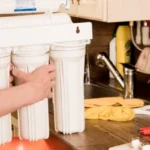
While Denver tap water is generally deemed safe, some residents prefer extra precautions. Installing a home filtration system can further enhance water quality. This option is particularly appealing for improving taste and removing specific contaminants.
Denver Water takes lead exposure seriously. The Lead Reduction Program offers free testing kits to determine lead levels in household water. Residents are encouraged to use these kits to identify potential risks from plumbing.
Maintaining water quality at home involves simple practices. Flushing cold water taps for a few minutes each morning can significantly reduce any residual lead. It’s also advisable to clean faucet aerators regularly to prevent build-up of debris.
Here are additional tips for ensuring optimal water quality at home:
- Always use cold water for cooking and drinking.
- Replace old plumbing with lead-free pipes and fixtures.
- Consider a water quality test from a certified laboratory if in doubt.
These steps contribute to maintaining safe and high-quality water throughout the home. By staying informed and proactive, residents can enjoy peace of mind regarding their tap water.
Environmental Factors Affecting Water Quality
Denver’s water quality faces challenges from both climate change and population growth. Rising temperatures and unpredictable weather patterns can stress water resources. Population growth increases demand, putting additional pressure on the system.
Watershed management plays a critical role in maintaining the quality of Denver’s water sources. Protecting and restoring watersheds helps filter pollutants naturally. This proactive approach ensures that water entering treatment facilities is of higher quality.
Natural events such as wildfires and heavy rainfall can affect water quality. For instance, wildfires may increase sediment and ash in waterways, complicating treatment processes. Heavy rains can lead to runoff, carrying pollutants into rivers and reservoirs.
To address these challenges, Denver Water employs several strategies:
- They engage in reforestation to reduce wildfire impacts.
- Runoff is managed through stormwater systems and green infrastructure.
- Collaboration with neighboring communities helps protect shared water resources.
These efforts are essential to safeguarding Denver’s water quality in the face of environmental changes. By prioritizing watershed health, Denver Water aims to provide a resilient supply for its community. As conditions continue to evolve, ongoing adaptation will be key to sustaining water quality for future generations.
Public Involvement and Transparency in Water Quality
Community involvement is vital for maintaining water quality. Denver Water offers multiple opportunities for residents to engage. Public meetings provide a platform for discussion and input on water management strategies.
Transparency is crucial for building trust with the public. Denver Water publishes annual water quality reports for the community. These reports detail the results of extensive testing and compliance with safety standards.
Customer service plays a pivotal role in education. Denver Water offers resources and guidance to answer public inquiries. Their proactive approach helps address concerns and promotes understanding.
Educational initiatives further bolster public confidence. Workshops and informational sessions educate residents about water conservation and safety. Through these efforts, Denver Water fosters an informed and engaged community.
By prioritizing public participation and transparency, Denver Water strengthens its relationship with the residents it serves. This collaboration ensures that community voices play a part in protecting Denver’s water resources.
Debunking Myths and Providing Practical Advice
There are many myths surrounding tap water safety. One common belief is that bottled water is always safer than tap water. However, Denver tap water undergoes rigorous testing to meet stringent standards, often making it comparable or superior to bottled alternatives.
Changes in water taste or appearance can cause concern. If you notice these changes, start by contacting Denver Water. They can provide guidance and may offer testing to identify the issue.
To maintain water quality at home, there are several practical steps you can take:
- Regularly clean faucet screens and aerators to remove debris.
- Use cold water for drinking and cooking, as it is less likely to contain lead from plumbing.
- Run cold water for a few minutes before use to flush out any accumulated impurities.
Engaging in local water quality initiatives is a great way to contribute to community efforts. Attend public meetings or join local environmental groups focusing on water issues. Volunteering with these organizations can provide insight into conservation strategies and community education.
Understanding the facts about Denver’s water can empower residents to make informed decisions. By debunking myths and taking proactive steps, individuals play a critical role in maintaining and improving the quality of their drinking water. Through awareness and involvement, the community can ensure the continued safety and reliability of Denver tap water.
The Future of Denver's Water: Challenges and Opportunities
Balancing Denver’s water needs with environmental conservation presents ongoing challenges. The city’s growth increases demand for water, requiring careful resource management. Additionally, preserving natural ecosystems is crucial for maintaining healthy water sources.
Aging infrastructure is a pressing concern for Denver’s water quality. Pipes and treatment facilities deteriorate over time, potentially impacting water safety. The need for proactive maintenance and timely upgrades is vital to address these challenges.
Denver Water is committed to embracing innovations and improvements in water management. Utilizing advanced technologies can enhance monitoring and treatment processes. Such innovations include real-time data analysis tools that track contaminants more efficiently.
Water reuse and recycling offer promising opportunities to expand Denver’s water supply. Implementing these practices can conserve resources while reducing the burden on natural systems. Integrating sustainable solutions is key to addressing both current and future water demands.
The development of new treatment methods is a priority for Denver Water. Ongoing research and partnerships focus on creating safer and more effective treatment techniques. These advancements promise to enhance water quality while meeting regulatory requirements.
Several areas are crucial for ensuring the success of Denver’s future water strategies:
- Collaboration with local, state, and federal agencies to align goals.
- Investment in infrastructure improvements and modernization.
- Engagement with the community to promote water conservation and awareness.
By addressing these aspects, Denver Water can navigate challenges while seizing opportunities for sustainable growth. A forward-thinking approach is necessary to maintain a reliable water supply for future generations. Ensuring a balance between human needs and environmental health will help secure the long-term success of the city’s water management efforts.
Conclusion: The Collective Responsibility for Water Quality
Community involvement is vital to maintaining Denver’s tap water quality. Residents, businesses, and policymakers must work together to protect our water resources. Collective actions significantly enhance water safety and sustainability.
Each individual plays a role in ensuring a clean water future for Denver. Simple steps like conserving water, reporting issues, and staying informed can have a big impact. It’s a shared responsibility that requires ongoing commitment and awareness from all community members.
Share this on social media:
Facebook
Twitter
LinkedIn

Related Posts