
The Role of Groundwater and Surface Water in Nevada
Nevada’s water supply is a blend of man-made reservoirs and underground reserves. The Lake Mead water source, formed by the Hoover Dam, serves Nevada, Arizona, and California. During dry seasons, groundwater steps in to meet the needs of cities and farms.
The desert landscape presents challenges, but local efforts in water treatment in Nevada make every drop count. Rainfall replenishes aquifers, providing relief during droughts. This balance is essential for long-term water sustainability.
How Geography Shapes Water Availability
Nevada’s mountains and deserts create unique water flow patterns. Higher areas receive more rain, leading to runoff and reservoir filling. Valleys, with fewer surface sources, often rely on wells, leading to varied conditions across the state.
Why Natural Springs Are Vital
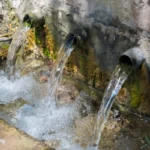
Natural springs offer consistent, albeit smaller, water contributions. They act as a backup when other sources are low. Some communities rely on these springs for their daily water needs, preserving Nevada’s natural heritage.
State Regulations and Standards for Drinking Water
In Nevada, tap water safety is governed by federal EPA rules, under the Safe Drinking Water Act. This act establishes national standards to limit contaminants. The Nevada Division of Environmental Protection oversees local water suppliers, issuing permits and conducting inspections.
The Southern Nevada Water Authority and the Las Vegas Valley Water District conduct extensive testing annually. They check for bacteria and chemical levels, ensuring public systems adhere to high standards. This effort keeps families safe from health hazards. Local water quality standards align with federal guidelines, boosting public trust in tap water. Regular testing and updates reinforce Nevada’s dedication to providing safe drinking water statewide.
Is Tap Water in Nevada Safe for Consumption?
Many residents and visitors question the safety of tap water. Public records reveal contaminants like arsenic and lead are closely monitored. These substances are found to be below EPA Maximum Contaminant Levels, indicating a safe supply.
Analyzing Key Safety Metrics
Local utility reports detail key measurements for water purity. These include levels of nitrates and other pollutants. These figures ensure Las Vegas drinking water meets safety standards. Advanced treatment steps filter out harmful substances, aligning with federal guidelines.
Common Myths and Realities
Some believe tap water is dangerously toxic. Yet, the systems in place manage every stage of water distribution. Treatment plants conduct frequent tests to control risks. Strong oversight and modern technology minimize concerns about daily consumption.
Common Contaminants and Their Effects
Knowing about contaminants in Nevada water can be beneficial for residents. Natural deposits and old infrastructure can introduce unwanted substances into the drinking supply. Public health agencies closely monitor these elements. Awareness helps families take proper precautions at home.
Understanding the dangers can guide informed decisions about filtration and regular testing. This knowledge is essential for protecting health.
Key concerns involve a range of metals and compounds. Arsenic occurs naturally and may raise cancer risks at elevated levels. Lead often leaches from aging pipelines, posing developmental risks for children. Nitrates arise from agricultural runoff and can bring complications like “blue baby syndrome” in infants.
- Arsenic: May heighten long-term health issues
- Lead: Poses developmental risks for children
- Nitrates: Can affect infants’ oxygen levels
Water providers follow strict rules to keep these hazards in check. Regular sampling and modern treatment methods protect families. This ensures a safer supply for everyone.
Importance of Water Treatment Facilities
Clean water is a vital resource. Treatment centers work day and night to remove pollutants. They ensure safe hydration for families and businesses across the region.
Facilities that focus on water treatment in Nevada use advanced techniques. The Alfred Merritt Smith Water Treatment Facility applies ozonation, filtration, and chlorination. The Southern Nevada Water Authority coordinates these efforts. It guides local systems for maximum efficiency and helps maintain high standards of public well-being.
Modern Filtration Technologies
Many facilities combine sand filtration with activated carbon to capture minute particles. Ozone disinfection neutralizes bacteria, while final treatments balance minerals for taste. This creates a reliable process that preserves key nutrients for everyday health. Such efforts drive water treatment in Nevada toward even higher efficacy.
Regulatory Oversight for Public Health
Agencies like the Environmental Protection Agency establish strict safety criteria. Local health departments verify water quality through regular testing. Unified procedures ensure every glass meets approved guidelines and reduces risks linked to contaminants. This vigilance protects communities and secures a dependable water supply. Ongoing collaboration with the Southern Nevada Water Authority reinforces these measures for future generations.
Tips to Ensure Your Drinking Water Quality at Home
Many families prioritize a safe household supply. Ensuring top-notch Nevada water quality at home involves practical steps.
Installing Faucet Filters
Certified faucet-attached filters or a whole-house filtration system can reduce heavy metals like lead. They also cut down on chlorine and certain chemicals. Residents should choose a filter that targets specific contaminants in their local supply. Regular maintenance and timely cartridge replacement are essential for optimal performance.
Conducting Regular Water Testing
Routine checks are critical for detecting lead, bacteria, or other harmful substances. These contaminants may not be noticeable by taste or smell. Test results guide homeowners in selecting the right filter or treatment method. Such assessments are even more important in older homes.
Maintaining Plumbing Systems
Aging pipes and fixtures can introduce contaminants into tap water. Replacing older lead pipes minimizes exposure, supporting water conservation in Nevada by reducing waste. Inspections and repairs ensure a reliable supply and enhance overall health at home.
Good stewardship of resources and mindful daily routines are key to maintaining Nevada water quality across diverse households. Checking faucets for leaks, installing low-flow fixtures, and minimizing waste support water conservation in Nevada. Proper filter use, frequent testing, and timely plumbing maintenance create a balanced approach. This benefits both residents and the environment, providing lasting peace of mind.
Bottled Water vs. Tap Water: Pros and Cons
Many residents ponder if convenience is worth the cost when choosing a drinking source. Bottled water’s appeal lies in its portability, fitting well into busy lives. It comes in sealed containers, making it easy to carry around.
Yet, plastic waste is a significant concern. Single-use bottles contribute to landfills if not recycled. In contrast, tap water has a smaller environmental impact. Nevada’s municipal water sources are regulated and delivered directly to homes. This option is also more budget-friendly for families.
“Each person should weigh cost, convenience, and environmental impact before selecting a personal water source,” states the U.S. Food and Drug Administration.
Examining bottled water factors shows many prioritize purity and safety. Public utilities, on the other hand, adhere to strict testing protocols. This balance helps households decide between bottled water and tap water based on their needs.
Sustainability and Water Conservation in Nevada
Nevada has made significant strides in safeguarding its water resources. The Southern Nevada Water Authority has embraced advanced systems to minimize waste and maximize reuse. This commitment is a testament to the state’s dedication to sustainability.
Despite a growing population, Nevada has managed to reduce its water consumption from the Colorado River. This achievement is attributed to stringent water-banking regulations, incentives for water-efficient appliances, and innovative landscaping practices. These measures have a direct positive impact on the Lake Mead water source, which is critical for the region’s water supply.
Modern technology plays a key role in monitoring water usage in real-time. The implementation of policies that promote responsible water use, coupled with public education campaigns, has raised awareness about the importance of water conservation. Residents are adopting practices such as drip irrigation, leak detection, and efficient outdoor watering. These collective efforts ensure Nevada’s long-term sustainability, safeguarding its most valuable resource.
Reflecting on Nevada’s Water Safety
Nevada’s tap water is notable for its rigorous oversight and extensive testing. The Las Vegas Valley Water District ensures compliance with federal and state standards, guaranteeing its safety. The Southern Nevada Water Authority also invests in research, preparing for future water demands. These efforts highlight the state’s commitment to maintaining water quality for all.
Some individuals opt for in-home filtration systems or regular water tests. These steps provide additional reassurance, essential for those with specific health concerns. They add a layer of protection, aligning with personal preferences while maintaining access to a reliable municipal water supply.
Las Vegas drinking water remains a trusted resource. Thanks to advanced treatment and strict monitoring, residents can rely on it. The ongoing commitment to improvement ensures safe water for generations to come.
FAQ
Does Nevada’s drought affect tap water quality?
Despite the drought and lower Lake Mead levels, tap water quality remains safe. The Southern Nevada Water Authority uses advanced treatment processes. These include careful filtration and resource management, all under federal oversight.
How does hard water impact household usage?
Nevada’s water often has higher mineral content due to its desert basins and geology. While these minerals can cause scale buildup, they are not harmful to health. Solutions like water softeners or faucet filters can manage hard water issues.
Are contaminants like arsenic or nitrates consistently monitored?
Yes. Utilities like the Las Vegas Valley Water District and rural suppliers test for arsenic, nitrates, and heavy metals. They must keep these levels below federal and state limits to ensure public health.
What treatments are used to remove pharmaceuticals or chemicals?
Advanced treatments, such as ozonation and activated carbon filtration, target pollutants like trace pharmaceuticals. Ongoing research and technology upgrades help utilities keep drinking water safe.
How does Nevada regulate chlorine or chloramine levels?
Public water systems use chlorine or chloramine for disinfection. The Nevada Division of Environmental Protection monitors these levels closely. They follow Environmental Protection Agency guidelines for safe disinfection.
Are boil water advisories common in Nevada?
Boil water advisories are rare in Nevada, thanks to modern treatment facilities. If there’s a pipeline issue or system problem, residents will be told to boil water until it’s confirmed safe.
Is fluoride added to Nevada’s municipal water?
In some areas, fluoride is added to promote oral health, following CDC recommendations. The SNWA and other utilities measure and regulate fluoride levels to prevent over-addition.