Role of Technology in Improving Water Quality Testing and Management
- Published:
- Updated: January 6, 2025
Listen to this article
Summary
Technology has revolutionized water quality testing and management in numerous ways:
Advancing Accuracy and Efficiency: Automated instruments like spectrophotometers and conductivity meters provide precise measurements quickly, reducing human error and saving time.
Real-Time Monitoring: Sensors and monitoring equipment enable continuous monitoring of water quality parameters, allowing for quick identification and resolution of issues.
Improved Treatment Methods: Advanced oxidation processes and membrane filtration technologies effectively remove contaminants, offering more efficient alternatives to traditional treatment methods.

Water is a primary food, and water of high quality is vital to human and ecological health. The technology over the past few years has made water quality testing accurate, efficient and more manageable.
Advancing Accuracy and Efficiency in Water Quality Testing
The advancement of technology has greatly improved the accuracy and efficiency of water quality testing. In the past, water testing was often a manual and time-consuming process, with results taking several days to obtain. With new technologies, water testing can now be performed more quickly and accurately, providing real-time results.
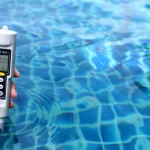
For instance, the use of automated instruments, such as spectrophotometers, has allowed for more precise measurement of water quality parameters, such as pH levels, total dissolved solids, and total organic carbon. These instruments eliminate the potential for human error and provide consistent results every time.
The use of sensors and monitoring equipment has also enhanced the accuracy and efficiency of water quality testing. These sensors can be deployed in remote locations, enabling continuous monitoring of water quality and providing real-time data for quick identification and resolution of any issues.
Common Water Quality Testing Technologies

There are several technologies utilized in water quality testing, including:
- Spectrophotometry: This technology measures the concentration of specific substances in water using light, such as total dissolved solids and total organic carbon.
- conductivity Meters: These meters measure the electrical conductivity of water, which can indicate the presence of ions, such as sodium and chloride.
- pH Meters: These meters measure the acidity or alkalinity of water, affecting aquatic life and overall health of aquatic ecosystems.
- Total Coliform and E. coli Testing: This type of testing detects the presence of harmful bacteria in water, such as E. coli, which can cause illness in humans.
- Turbidity Meters: These meters measure the amount of suspended particles in water, indicating the presence of pollutants, such as silt, algae, and organic matter.
Real-Time Monitoring and Management of Water Quality
One of the major benefits of technology in water quality testing and management is the ability to monitor water quality in real-time. This allows for timely response to any issues that may arise, such as sudden increases in pollutants or decreases in water quality.
Sensors and monitoring equipment can be deployed in remote locations, providing real-time data on water quality parameters, such as pH levels, total dissolved solids, and total organic carbon. This data can be used to quickly identify and address any issues, such as adjusting water treatment processes or reducing the discharge of pollutants.
Real-time monitoring and management systems also reduce the need for manual testing, as the data collected by sensors and monitoring equipment can be automatically processed and analysed. This saves time and eliminates the potential for human error, resulting in more reliable water quality data.
Impact of Technology on Water Treatment Methods and Processes
The advancements in technology have also influenced the development of new water treatment methods and processes. The use of advanced oxidation processes, such as ultraviolet light and hydrogen peroxide, has been shown to be effective in removing pollutants from water.
The use of membrane filtration technologies, such as reverse osmosis and nanofiltration, has also become more widespread in water treatment plants. These technologies are highly effective in removing contaminants from water, providing a more efficient and cost-effective alternative to traditional treatment methods.
Sensors and Monitoring Equipment in Improving Water Quality Management
Sensors and monitoring equipment play a crucial role in improving water quality management. These technologies allow for continuous monitoring of water quality parameters, such as pH levels, temperature, and chemical concentrations. This data can be used to quickly identify any issues and take appropriate action to maintain water quality.
For instance, sensors can be deployed in remote locations, providing real-time data on water quality, even in areas where manual testing may not be feasible. This can help to ensure the safety of drinking water and the health of aquatic ecosystems.
The use of monitoring equipment can also help to detect changes in water quality over time, allowing for proactive measures to be taken to maintain water quality. Changes in water temperature or chemical concentrations can indicate the presence of pollutants, allowing for timely and effective response.
Technology and Communication of Water Quality Data
Technology has also impacted the communication and sharing of water quality data among stakeholders. With the use of digital platforms and software, water quality data can now be easily shared and analysed by multiple parties, including government agencies, water utilities, and environmental organizations.
This increased transparency and collaboration has improved the ability of stakeholders to make informed decisions about water quality management, leading to better outcomes for both human health and the environment. The sharing of water quality data can also help to raise awareness about water quality issues and encourage public involvement in efforts to maintain and improve water quality.
Innovative Approaches to Water Resource Management
The advancements in technology have also influenced the development of innovative approaches to water resource management, such as the use of artificial intelligence and machine learning. These technologies can be used to analyse vast amounts of water quality data, providing insights and predictions about water quality trends and potential issues.
Machine learning algorithms can be trained to identify patterns in water quality data, allowing for early detection of changes and the identification of potential pollutants. This can help to prevent water quality issues before they become a problem and improve the overall efficiency and effectiveness of water resource management.
The Importance of Regular Water Quality Testing
Regular water quality testing is essential for ensuring the safety of drinking water and the health of aquatic ecosystems. By regularly testing water quality, it is possible to identify any issues and take appropriate action to address them. This can help to prevent water quality problems before they become a major concern.
Regular water quality testing can also help to detect changes in water quality over time. This can provide valuable information about the long-term health of aquatic ecosystems and the impact of human activities on water quality. Regular testing can also help to identify trends and patterns in water quality, allowing for proactive measures to be taken to maintain and improve water quality.
In order to ensure the accuracy and reliability of water quality testing, it is important to use standardized methods and equipment. This can help to ensure consistent and comparable results, allowing for accurate comparisons of water quality over time. Regular water quality testing is an important tool for protecting our water resources and ensuring a sustainable future for our communities.
The Challenges of Water Quality Testing in Developing Countries
In developing countries, water quality testing can be a significant challenge due to limited resources and infrastructure. This can result in a lack of access to safe drinking water and the presence of water-borne diseases. The lack of monitoring equipment and trained personnel can also result in inaccurate or inconsistent water quality data.
To address these challenges, it is important for governments and international organizations to invest in water quality testing infrastructure in developing countries. This can include providing equipment and training to local communities, as well as improving access to safe drinking water. By addressing these challenges, it is possible to improve water quality and ensure the health of both human populations and aquatic ecosystems.
Partnerships between governments, international organizations, and private sector companies can also play an important role in addressing the challenges of water quality testing in developing countries. By working together, these partners can leverage their resources and expertise to provide equipment, training, and support to local communities. This can help to ensure that water quality testing becomes a priority in developing countries, leading to improved water quality and health outcomes.
The Role of Citizen Science in Water Quality Testing
Citizen science programs can play an important role in water quality testing by engaging the public and increasing public awareness about water quality issues. Through these programs, members of the public can participate in collecting water quality data, providing valuable information about water quality trends and issues.
Citizen science programs can involve the use of simple and inexpensive water quality testing kits, allowing members of the public to collect and share data about water quality in their local area. This data can then be used by government agencies, water utilities, and environmental organizations to make informed decisions about water quality management.
Citizen science programs can also help to raise awareness about water quality issues, encouraging public involvement in efforts to maintain and improve water quality. By empowering members of the public to take action, citizen science programs can play a critical role in protecting our water resources and ensuring a sustainable future for our communities.
Citizen science programs can provide valuable information about water quality and engage the public in efforts to improve water quality. By leveraging the power of the public, these programs can help to ensure a sustainable future for our water resources and the health of both human populations and aquatic ecosystems.
Technology Empowering Communities and Organizations to Improve Water Quality
And technology has enabled individuals and institutions to act on their own behalf to keep and enhance water quality. With the knowledge of real-time water quality data and high-tech monitoring devices, communities and organizations can do their part to combat water quality problems, save drinking water, and sustain clean waters.
Digital platforms and software can also assist in educating and educating the public about water quality, and get communities involved to help improve water quality. If technology allows people and institutions to take action, it can be used to help create a long-term future for our water.
In addition to changing the way water quality is tested and managed, technology brings with it greater accuracy and efficiency, real-time monitoring, and the power for communities and organizations to act on the ground to preserve and enhance water quality. As technology improves further, water quality testing and treatment is going to improve further.
Share this on social media:
Facebook
Twitter
LinkedIn

Related Posts