Understanding Local Water Safety Guidelines
Local water safety heavily relies on the oversight of recognized agencies. Cities like Long Beach adhere to strict procedures to ensure reliable tap water for residents. These efforts address evolving needs, including modern infrastructure updates and thorough inspections for contaminants.
State and Federal Regulations
The U.S. Environmental Protection Agency establishes legal limits for chemicals and microorganisms. The California State Water Resources Control Board adds additional safeguards to maintain water quality. Long Beach Utilities ensures compliance with all federal and state water quality regulations, as shown in annual Consumer Confidence Reports. These standards are critical for community health, keeping residents informed and protected.
Why Standards Matter
Legal limits safeguard families from harmful exposures. They encourage ongoing inspections and continuous improvement. This framework builds trust among residents, highlighting the importance of health regulations for everyone’s wellbeing. Manuals, certifications, and routine checks enhance public confidence in Long Beach.
Agency | Focus | Monitoring Approach |
U.S. Environmental Protection Agency (EPA) | Federal Standards | Regular Sampling and Published Reports |
California State Water Resources Control Board | State Regulations | Local Audits and Compliance Checks |
Long Beach Health Department | Community Safety | Frequent Inspections and Public Guidance |
Water Treatment Processes in the City
Long Beach leads in water quality with a cutting-edge groundwater treatment plant. It’s equipped with advanced technology for thorough testing. The city operates four labs, all accredited by the California Environmental Laboratory Accreditation Program. These labs provide expert evaluation at every stage.
Each step, from intake to distribution, employs proven methods. These methods filter out unwanted particles and safeguard public health. The city’s approach ensures water quality is consistently high.
At the heart of Long Beach’s water treatment are filtration, disinfection, and monitoring. These tactics remove large particles and harmful pathogens. The city’s commitment to using advanced instruments and adhering to strict policies sets it apart. This dedication boosts the water supply for homes, businesses, and public facilities.
Residents can rely on their water, thanks to Long Beach’s water treatment excellence. This reliability is a testament to the city’s dedication to quality.
- Filtration to capture debris
- Disinfection for pathogen control
- Real-time monitoring that tracks water quality
These efforts highlight the success of Long Beach’s water treatment. It’s a trusted choice in the region.
Identifying Potentia Contaminants
Long Beach Utilities conducts regular tests to ensure contaminants are kept under health standards. This effort guarantees safe drinking water for schools, homes, and workplaces. They focus on elements that could pose risks if not detected.
Common Pollutants
Chlorine byproducts can result from disinfection processes. Heavy metals, like lead, may be present due to outdated plumbing in certain areas. Microbial elements can occur when water interacts with unsanitary sources. Each pollutant is closely monitored to prevent harmful levels in daily water consumption.
Health Impacts
Exposure to high levels of certain metals can harm nervous function over time. Disinfecting byproducts might alter taste or smell, necessitating more frequent testing. A well-managed system detects threats early, ensuring safe drinking water. This reliability builds trust in Long Beach’s water supply for both immediate and long-term health.
Testing and Regulations for tap water in long beach
Public health depends on constant monitoring of water sources. Local experts track key indicators to ensure cleanliness and protect residents. This oversight fosters an environment where people can trust their tap water.
Periodic Testing Protocols
City officials conduct 60,000 quality checks annually, collecting samples for lab analysis. These tests measure bacteria levels, chemical traces, and other safety factors. Results help identify early contamination signs and guide improvements.
Latest Data from Local Authorities
Recent findings are detailed in the annual Consumer Confidence Report (CCR). It covers lead content, disinfectant byproducts, and volatile compounds. The full report is available on the official water quality page. Regular reporting builds trust and keeps the public informed about Long Beach’s tap water.
Test Type | Frequency | Main Purpose |
Bacteriological | Monthly | Detect harmful microbes |
Chemical Analysis | Quarterly | Identify toxic substances |
Physical Inspection | Annual | Maintain distribution network |
Observing Changes in Taste, Color, or Odor
Residents may notice changes in tap water quality due to maintenance or supply adjustments. Minor shifts in taste, color, or odor can stem from local pipe repairs or seasonal treatments. It’s advisable to flush faucets briefly to clear any discoloration, if it persists.
Those who observe unusual water characteristics can contact Long Beach Utilities for assistance. Staff can refer to the annual water quality report, providing insights into recent test results. The report confirms water safety and addresses any short-term concerns.
Being vigilant about changes in taste or smell is essential. Households that monitor these aspects feel more confident in their water supply. Professional support is always available for any lingering questions. Regularly checking the water quality report can alleviate worries and guide the next steps.
Comparing Bottled Water to Tap
Many residents trust bottled brands for purity, yet Long Beach Utilities assures that tap water is a reliable source. Local tests confirm that the city’s supply meets standards for safe drinking water. This can alleviate concerns about water quality.
This choice affects personal finances and contributes to global plastic waste. The decision may hinge on budgetary needs and environmental goals.
Cost Differences
Bottled water can quickly become expensive, even for families. Tap water, delivered through municipal systems, is often more cost-effective over time. Opting for tap water can save households a significant amount, freeing up funds for other daily needs.
Environmental Considerations
Plastic bottles contribute to landfill buildup and require extra energy for production and transportation. Choosing tap water reduces packaging waste, supporting a more sustainable path. This choice aligns with local initiatives to conserve resources without compromising on safe drinking water standards.
Aspect | Bottled Water | Tap Water |
Cost | Higher recurring expense | Lower overall cost |
Packaging | Single-use plastics | Minimal or reusable |
Availability | Shipping dependent | Locally accessible |
Neighborhood Factors That Affect Water Quality
The Long Beach Utilities Department collects water samples weekly at 56 sites across different blocks. Some areas have older pipelines or are near construction zones, leading to occasional changes in clarity or taste. Residents often stay informed about scheduled maintenance, as short-term changes can occur during routine repairs.
Major factors include:
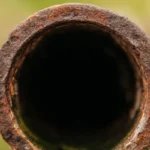
- Infrastructure age: Corrosion in older pipes can affect appearance.
- Local projects: Roadwork or building construction may introduce temporary disturbances.
- Proximity to coastal areas: Environmental shifts can influence mineral levels.
Long Beach water treatment continues to support consistent quality throughout every district. Each address benefits from regular evaluations, and teams respond swiftly if testing results show issues. Residents are encouraged to follow neighborhood updates to stay informed about repairs or enhancements. Long Beach water treatment remains a citywide priority, ensuring safety and peace of mind for all.
Public Opinions and Common Misconceptions
Local discussions often reference health regulations when debating water safety in Long Beach. Long Beach Utilities and the State Water Resources Control Board confirm official test results that show rigorous compliance. Yet, swirling rumors can disrupt this confidence and leave many residents anxious about the true condition of their tap water.
Digital platforms fill with changing viewpoints, where posts may highlight isolated cases of murky color or unusual smells. These anecdotes tempt readers to question standard checks in place, prompting concern instead of clarity.
Social Media Influence
Word-of-mouth claims sometimes overshadow scientific reports. Viral snippets spark widespread talk, even if the content lacks credible evidence. Many who share these stories feel alarmed and pass the same concerns on to friends and neighbors.
Expert Opinions
Environmental researchers, public health officials, and water specialists focus on verified data to uphold health regulations. They rely on tests that measure bacteria, chemicals, and other elements, giving the community a clearer picture of tap water conditions.
- Online chatter can intensify unfounded fears
- Specialists base findings on transparent research
- Authorities prioritize strict standards for consumer safety
Claim | Fact | Source |
Water quality falls below state requirements | City services meet current benchmarks | State Water Resources Control Board |
Online stories prove widespread contamination | Isolated pipe issues do not reflect the entire system | Long Beach Utilities |
Community Efforts for Conservation and Safety
Residents across Long Beach understand the value of preserving natural resources. The city issues an annual water quality report and supports community outreach. These efforts ensure reliable water for both current and future generations.
Local Programs
The Long Beach Water Department collaborates with various groups to promote water conservation. Rebates are offered for upgrading to water-saving appliances. Neighborhood workshops teach residents how to reduce consumption and protect ecosystems. These initiatives aim to keep local waterways vibrant, meeting the city’s high standards.
Initiative | Key Benefit |
Appliance Rebates | Lower utility bills and reduced waste |
Conservation Workshops | Hands-on guidance for efficient water use |
Household Tips
Simple actions can significantly reduce daily water usage. Fixing minor leaks promptly is essential. Using low-flow fixtures also helps minimize unnecessary water flow. Choosing native plants for landscaping reduces irrigation needs. Each of these actions contributes to resource preservation, reflecting the latest water quality report’s findings.
Looking Ahead for Long Beach Water Safety
The city remains vigilant, embracing the latest in water technology and sharing updates through the Consumer Confidence Report. Recent surveys have shown no lead service lines, highlighting the city’s dedication to safe tap water. Water treatment teams continually adapt to environmental changes, ensuring residents have access to quality and transparent water.
Community agencies and local experts are working together to enhance resilience. Safety initiatives include ongoing research and projects aimed at expanding infrastructure. For more information on these efforts, readers can visit this water quality resource. Each improvement strengthens trust and supports the health of local communities. These steps are building a future where Long Beach’s tap water remains clean and reliable, keeping households safe for years to come.