Key Factors That Affect Water Quality in London
The city’s environment and development significantly influence daily tap standards. Many residents ponder about London water quality. It often relates to both natural features and modern infrastructure.
Minerals in regional geology contribute to harder water, affecting taste. Some notice slight variations in water’s feel when bathing or washing dishes. This remains a common topic of discussion among locals and visitors.
Source of Drinking Water
Thames Water gets about 70% of its supply from the River Thames, with the remaining 30% from boreholes. Surface water and groundwater both contain calcium and magnesium, leading to higher mineral content. These natural elements shape London water quality and provide essential nutrients.
Local Infrastructure Challenges
Older pipes in parts of the city can increase the risk of lead contamination. Buildings with aging infrastructure may experience higher chances of discoloration or an unusual scent. Regular upgrades and community-wide efforts help address these concerns. They maintain safer tap options for everyone.
Regulations Governing Drinking Water
In Britain, strict laws govern the chemical and microbial content in public water supplies. The Drinking Water Inspectorate enforces these rules, requiring water suppliers to conduct regular tests. These tests ensure that the water contains safe levels of minerals and nutrients.
European guidelines and international benchmarks from organizations like the World Health Organization also play a role. They emphasize the need for ongoing checks for new contaminants. PFAS in drinking water has become a focus due to its possible health risks. Despite water providers adhering to strict limits, some experts advocate for even stricter monitoring of this substance.
Many labs test water samples at various points in the distribution system. This process confirms compliance with established standards and detects any changes in water quality. The ongoing research into managing PFAS in drinking water is a priority. Discussions persist about implementing stricter policies.
Regulatory Body | Scope |
Drinking Water Inspectorate | Oversees water quality in England and Wales |
European Commission | Issues directives across EU member states |
World Health Organization | Offers global guidance on safe limits |
Tap Water in London: Testing and Treatment Processes
London’s water undergoes a series of rigorous stages to improve its quality and safety. Water companies first remove large particles through sedimentation. Then, they filter and disinfect the water. Daily microbial tests ensure it meets official standards.
Some systems also add chlorine to combat bacteria and viruses. Phosphate is used to limit lead release from older pipes. The debate between bottled water and tap water continues, with each facing unique production standards. Each step is designed to strike a balance between cleanliness and taste.
Regular sampling confirms the water’s quality. To learn more about London’s water treatment, read this resource. Many question if these methods are as effective as bottling processes. The results often show a safe supply that competes with bottled water. This raises key questions when deciding between bottled water and tap water.
- Filtration: Carbon or reverse osmosis to remove impurities
- Chlorination: Disinfection targeting bacteria and viruses
- Phosphate Dosing: Reduces pipe corrosion
Stage | Primary Goal |
Sedimentation | Remove large debris |
Filtration | Eliminate smaller particles |
Disinfection | Control pathogens |
Potential Health Benefits and Risks
In the United States, many are curious about the effects of London’s water supply. It contains minerals like calcium and magnesium, which support strong bones and muscle function. These elements are beneficial for overall health.
Despite its benefits, London’s water faces challenges from aging infrastructure. Corroded pipes can lead to concerns about lead contamination. The Drinking Water Inspectorate monitors harmful substances, including PFAS, chlorine by-products, and microplastics. Their data shows that these levels are generally within safe limits.
“Our data reflects that London’s tap water typically remains within safe limits,” states the Drinking Water Inspectorate.
Mineral Content
London’s water is known as hard water, rich in minerals that form limescale. While these minerals can cause deposits in appliances, they also offer health benefits. They are a good source of calcium and magnesium for those looking to boost their intake.
Possible Contaminants
Tests show that contaminants in London’s water rarely exceed legal limits. Yet, older plumbing systems or neglected maintenance can increase the risk of lead contamination. Regular maintenance and updated fittings can help mitigate this risk. This balanced perspective helps consumers understand the risks and benefits, enabling them to make informed choices about their water intake.
Comparisons Between London’s Water and Other Major Cities
London’s water profile is unique, thanks to its distinct mineral composition. The taste is influenced by geology, while clarity is shaped by local processes. This makes it different from cities that use various groundwater or surface sources.
European Capitals
Paris and Berlin have moderate hardness levels, leading to a softer mouthfeel. A study by the Barcelona Institute for Global Health found that bottled water has a higher environmental impact than tap water. This highlights the benefits of using city supplies across Europe. If everyone in Barcelona chose bottled water, the costs could increase by 3,500 times. Such data promotes the use of tap water in many capitals.
American Metropolitan Areas
New York gets its water from upstate reservoirs, giving it a crisp taste. Los Angeles, on the other hand, uses rivers and aqueducts, affecting flavor differently. The production of plastic bottles for bottled water is a significant concern in the United States, requiring millions of barrels of oil annually. Some cities are working to improve tap water delivery to save costs and protect resources.
City | Approx. Hardness (mg/L) | Water Source |
London | 250–300 | River Thames & Wells |
Paris | 80–120 | Underground Springs |
Berlin | 16–18 | Surface & Groundwater |
New York | 10–15 | Reservoirs |
Los Angeles | 150–200 | Aqueducts & Rivers |
Public Perception and Common Myths
Many in London question the safety of their tap water, wondering if it’s truly safe. This doubt often arises from taste differences, news reports, or the belief that only bottled water meets high standards. Such skepticism can be fueled by marketing campaigns from companies like Evian and Nestlé.
These campaigns aim to create the impression that bottled water is purer. Yet, the Drinking Water Inspectorate (DWI) conducts regular checks to ensure London’s tap water meets strict guidelines. They test for bacteria, heavy metals, and more, reassuring the public about the quality of their water.
Despite these efforts, myths about contamination and health risks persist. Many believe tap water is inferior to bottled water, but data reveal a different truth. Public water systems are tested more frequently, with daily reports required to confirm compliance. This rigorous oversight proves London’s tap water meets high standards, answering the question many have: is tap water in London safe?
Bottled Water Alternatives
Growing environmental awareness has led to a surge in interest in reusable bottles and home filtration systems. These options are chosen for their ability to cut down on plastic waste and address PFAS concerns in drinking water.
Plastic Waste Concerns
Single-use plastic bottles frequently end up in landfills or oceans, causing lasting pollution. Reusable containers, made from stainless steel or BPA-free materials, are seen as eco-friendly alternatives. They have a lower carbon footprint. Water filters designed to remove PFAS can also reduce exposure to harmful substances, all while reducing waste.
Economic Considerations
Buying bottled water regularly can be expensive over time. Investing in a carbon or reverse osmosis filter system can be more economical. It also offers peace of mind. Brands like Brita and Culligan provide a variety of filtration units to fit various budgets. These options enhance convenience and taste without breaking the bank.
Environmental Impact of Drinking Bottled Water
In the United Kingdom, the demand for plastic bottles has skyrocketed, leading to millions of containers ending up in landfills. A lawsuit against PepsiCo and Coca-Cola by Los Angeles County highlighted claims of misleading consumers about recyclability. Unfortunately, only a small percentage of plastic bottles are truly recycled, with many being incinerated or sent abroad with uncertain outcomes.
Research indicates that microplastics pollute both tap and bottled water. Studies reveal that bottled water contains more microplastic fragments than tap water. Even reusable PET and glass bottles may release more microplastics. This highlights the environmental and health concerns associated with bottled water compared to tap water.
Companies like Coca-Cola have adjusted their goals for using recycled content, scaling back their targets due to resource constraints. This change raises doubts about their commitment to sustainability. Many argue that choosing tap water over bottled beverages can significantly reduce waste and pollution.
- Less plastic in circulation
- Lower greenhouse gas emissions
- Reduced exposure to microplastics

Company | Initial Target | New Recycling Target |
Coca-Cola | At least 50% recycled content by 2030 | 35-40% recycled content by 2035 |
PepsiCo | Publicly committed to full recyclability | Facing scrutiny over actual recycling rates |
Tips for Travelers Visiting London
Exploring London often means long walks and engaging sightseeing. Knowing the best spots to refill water bottles is key. Checking alerts from local providers can ease concerns about lead in London water, more so in older neighborhoods.
Running the tap briefly can reduce metal exposure, which is important when traveling with children. Portable filters offer additional protection for those seeking extra reassurance.
Finding Safe Refill Stations
Public fountains are common in busy areas. Official city apps help find these spots and provide directions. Brands like Brita are great for quick bottle refills at these locations.
- Inspect city maps for fountain icons
- Watch for bottle-friendly stations near museums and parks
- Use sealed bottled water if refill stops are out of reach
Avoiding Common Misconceptions
Some think London’s water causes illness or tastes odd. But, rigorous inspections show it meets strict health standards. Unusual taste often stems from mineral levels, not lead in London water.
Myth | Reality |
Tap water is never safe | Tests confirm its quality |
Older pipes always pose a risk | Only certain buildings need extra caution |
Cost-Effectiveness of Using Tap Water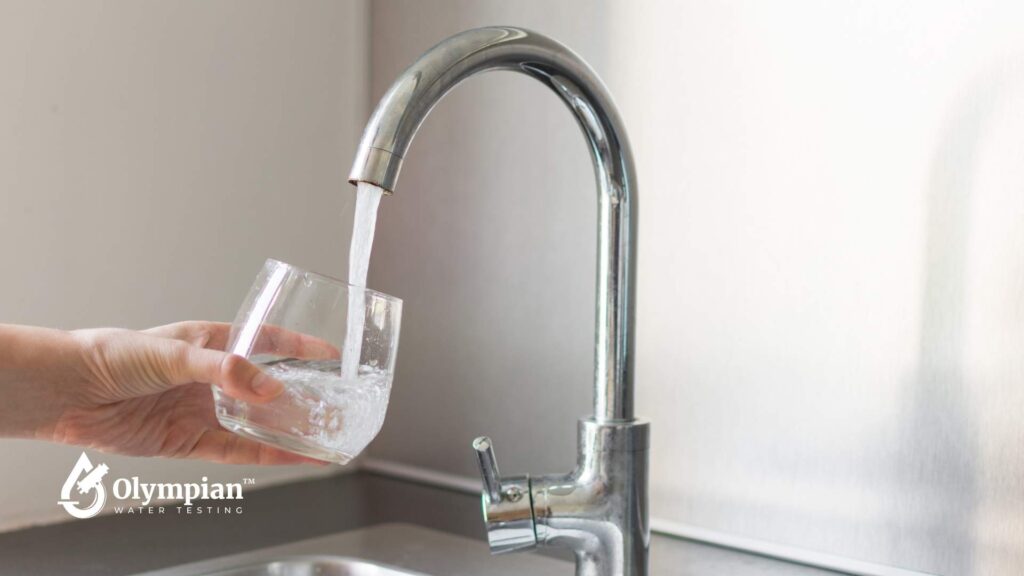
Opting for tap water simplifies hydration. Households can cut down on expensive bottled water bills by installing a basic filter at home. London’s water quality is closely monitored, with local providers conducting thousands of checks daily to ensure public health.
Many families find that a well-maintained filter can address taste concerns. This solution strikes a balance between quality and affordability. It reduces the need for constant bottled purchases, cutting down on plastic waste and supporting a healthier environment. London’s water quality initiatives continue to invest in better infrastructure, dispelling safety doubts.
Financially speaking, the shift is significant when comparing monthly and yearly expenses. The table below illustrates how a standard filter setup can make a household budget more friendly while providing reliable water on demand.
Expense Type | Monthly Cost | Yearly Cost |
Bottled Water (Family of 4) | $40 | $480 |
Tap Water + Filter | $5 | $60 |
Addressing Common Taste and Odor Concerns
Some individuals detect a metallic or disinfectant taste in their tap water. This issue often arises from minerals in older pipes or the treatment methods used to ensure water safety. Making minor adjustments at home can significantly enhance the taste, leading to a more enjoyable drinking experience.
Possible Causes of Metallic Flavor
Water can absorb a bitter taste when it sits idle in copper or galvanized pipes. Simply running the tap for a brief period can help flush out this standing water. Utilizing this water for plants is a practical way to conserve resources and maintain an eco-friendly lifestyle.
Simple Remedies to Improve Taste
Chilling water in the fridge can diminish the scent of chlorine and reduce any chemical notes. A pitcher filter can further enhance clarity by removing trace elements. These straightforward actions often make tap water more refreshing, while also reducing the environmental impact of bottled water.
Potential Cause | Possible Effect |
Metal Pipework | Metallic or bitter flavor |
Chlorine Addition | Chemical or antiseptic taste |
Final Thoughts on Embracing London’s Water
Travelers often wonder, “is tap water in London safe?” The answer is a resounding yes. It adheres to strict standards and undergoes rigorous testing. Many appreciate its affordability, eco-friendliness, and dependability. For those who find the taste off-putting, chilling the water or using an activated carbon filter can be a solution.
Replacing older pipes is another step towards ensuring purity. This action can help eliminate any lead residues. By opting for tap water over plastic bottles, one can significantly reduce waste. This choice also supports a healthier environment.
Those concerned about contaminants, including PFAS, will find that filters provide a solution. London’s tap water not only hydrates but also saves money. It reduces the reliance on single-use containers. Adopting these practices can have a profound impact on both personal habits and the planet’s health.