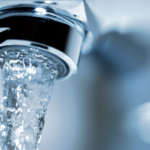
Overview of Dubai’s Water Infrastructure
Dubai heavily invests in modern technology for a reliable water network. This system caters to households, businesses, and public services. Projects aim to meet the needs of a rapidly growing population, relying on desalinated water.
Local authorities, including dewa water supply operators, manage facilities across urban areas. They focus on maintaining high-quality standards and ensuring continuous service. Monitoring helps identify areas needing upgrades or repairs.
Desalination Plants and Their Role
Large-scale plants convert seawater into usable resources. Each facility treats ocean water, removing salt and impurities. This process yields desalinated water, essential for most homes and businesses. Despite energy needs, these plants provide a vital solution for Dubai’s desert environment.
Importing Water for Supplementary Needs
Authorities purchase limited supplies from regional neighbors to meet specific demands. This supplements the dewa water supply during peaks or specialized needs. Shipments follow established routes, ensuring Dubai maintains steady reserves without compromising reliability.
Tap Water in Dubai: Quality and Regulations
Residents and visitors depend on a monitored system to ensure drinking water in dubai is safe and refreshing. This system involves continuous assessments and strict protocols to maintain water quality standards. Modern techniques are used to filter, disinfect, and keep the supply systems clean.
Local Government Standards
Dubai Electricity and Water Authority (DEWA) sets strict parameters to protect public health. Officials frequently evaluate pH balance, mineral content, and microbial levels. Testing labs record these outcomes to ensure each neighborhood’s supply meets different demands. This approach builds trust in the city’s tap water, ensuring it meets government-approved standards.
Compliance with International Guidelines
Global agencies, like the World Health Organization, publish guidelines to safeguard public health. Dubai’s regulatory bodies compare test results against these benchmarks. Their commitment ensures water quality standards continually improve, meeting or exceeding international metrics.
| Parameter | Significance | Acceptable Range |
| pH | Supports balanced acidity | 6.5 – 8.5 |
| Total Dissolved Solids | Indicates overall purity | Up to 500 mg/L |
| Hardness | Influences taste and deposits | 60 – 120 mg/L |
Identifying Potential Health Concerns
Visitors often express concerns about contaminants from local systems. Water quality is generally high, but neglect of water storage tanks can lead to issues. Older pipes in some buildings might also introduce particles into the water supply.
Impact on Sensitive Individuals
Travelers with certain health conditions may experience minor reactions. Some report gastrointestinal discomfort due to unclean water storage tanks. Others prefer to use filtration tools before drinking tap water. Local advice emphasizes regular checks to avoid contamination.
Common Misconceptions
Many believe the main risk comes from the source, but building plumbing can affect water taste and clarity more. Old pipelines contribute to safety misconceptions. Simple precautions like routine testing or occasional filtering can alleviate concerns and ensure trust in the system.
| Concern | Key Consideration |
| Tank Upkeep | Regular cleaning helps prevent bacterial buildup |
| Pipe Integrity | Upgrades reduce sediment and metallic traces in building plumbing |
Exploring Bottled Water and Alternatives
In Dubai, many turn to bottled water for hydration, drawn by its taste, convenience, or reassurance. Some enjoy trying various mineral water options, each with its own unique flavor profile, influenced by its source.
Tapping into Mineral Bottled Water
Local favorites include Masafi, Al Ain, and Oasis, found in stores and eateries. Their mineral waters come from protected areas, ensuring a balanced mix. Each brand adheres to strict regulations for purity and freshness.
Comparing Imported Brands
International brands like Evian and Fiji cater to those seeking specific mineral water tastes. These premium brands are popular in supermarkets, each with its own distinct taste and bottling method. They offer a unique experience for travelers, providing a smoother taste or a touch of natural minerals.
| Brand | Origin | Notable Feature |
| Masafi | United Arab Emirates | Low-sodium profile |
| Al Ain | United Arab Emirates | Natural mineral notes |
| Oasis | United Arab Emirates | Light, crisp finish |
| Evian | France | Glacial mountain source |
| Fiji | Fiji Islands | Silica-rich composition |
Understanding the Desalination Process
Dubai’s water supply is transformed through innovative methods, turning seawater into drinkable resources. The desalination process removes impurities through advanced stages. This makes it a vital solution in regions with limited freshwater sources. It works alongside a water filtration system in Dubai to ensure high-quality water for homes and businesses.
Energy Consumption and Costs
Facilities use large amounts of energy to power the high-pressure pumps in converting saltwater into safe drinking water. These operations carry significant expenses. Yet, government entities like Dubai Electricity and Water Authority invest in technologies to improve efficiency. Some plants integrate solar panels and other creative strategies to reduce operational costs and environmental footprint.
Salt Removal and Purification Steps
The desalination process relies on forcing seawater through specialized membranes to separate salt and other minerals. The collected brine is then discarded, while the purified water undergoes further filtration and sterilization. Many buildings use a water filtration system in Dubai that adds extra layers of safety. This creates a reliable source for daily consumption.
Practical Safety Tips for Dubai Tourists
Visitors should stay informed about local conditions to ensure their safety. This involves simple checks and routines to reassure travelers in dubai about staying hydrated. A quick inspection can provide peace of mind before drinking, whether at a hotel or a local café.
Checking Water Quality Indicators
Water that smells fresh and tastes neutral is generally safe for casual consumption. Some travelers test a small amount if they have any doubts. Looking for a clear appearance adds an extra layer of reassurance. These quick checks help maintain safety while exploring Dubai’s diverse areas.
Using Portable Filters
Small filtration devices fit easily into carry-on luggage, making them perfect for active itineraries. They remove sediment and lingering tastes, providing extra comfort for travelers in dubai. Many reputable brands offer portable systems that are easy to maintain. These filters help ensure reliable water quality, even in unfamiliar accommodations.
Cultural Perceptions about Drinking Water
Diverse views on water stem from local customs and personal comfort levels. Some long-time residents stick to bottled water, like Masafi or Evian. Others rely on tap water, reassured by regular quality checks. This mix of modern convenience and tradition shapes various habits.
The dubai lifestyle is deeply connected to these practices. The wealthy might view premium brands as a status symbol. On the other hand, those on a tighter budget opt for tap water when they’re confident in its quality. This resource provides information on free refill stations for those using reusable bottles, merging sustainability with daily needs.
Many opinions are influenced by cultural perceptions. Households often pass down traditions related to meal preparation and hospitality. Preferences differ because each family has its own standards. Generally, water choice reflects both family heritage and contemporary trends.
- Trust in well-known labels
- Influence of personal routines
- Receptiveness to updated safety measures
Evaluating Environmental Impacts of Bottled vs. Tap
Many visitors choose bottled water out of habit, but growing awareness highlights the single-use packaging’s effects. Reusable containers and filtered faucets provide a better alternative. They reduce waste and protect vital resources.
Plastic Waste Concerns
Discarded bottles contribute to plastic waste in dubai, leading to landfills and higher disposal costs. Local officials push for stronger recycling rules to tackle these issues. Businesses are adopting cleaner production methods, sparking new ideas for material reuse.
Resource Conservation Efforts
Several initiatives showcase sustainability in dubai, from modern filtration systems to campaigns against excessive consumption. Community programs encourage mindful habits by promoting tap water. This collective effort conserves energy, protects ecosystems, and reduces long-term expenses.
Filtration Systems in Dubai’s Residences and Hotels
Homeowners and property managers often seek out specialized methods to ensure safe drinking water. Some opt for large-scale facilities, while others prefer compact units that fit under a kitchen sink.
Brands like Pentair and Culligan offer systems that reduce contaminants and improve taste. Advanced reverse osmosis solutions are favored for their ability to tackle a wide range of impurities. These systems are integral to Dubai’s water treatment efforts, ensuring quality water in the city’s fast-paced environment.
Where to Find Advanced Filtration
Companies with a global reach provide cutting-edge technology. Retailers and authorized dealers offer installation advice and replacement parts. Major appliance stores showcase a variety of countertop or whole-house devices. Even hotel suites often feature on-site filters, allowing guests to fill glasses or reusable bottles directly from the tap.
Maintenance and Costs
Regular maintenance is key to extending the life of each filtration unit. Filters must be replaced at the recommended intervals to maintain efficiency. Prices vary based on brand, capacity, and additional features. Some households choose premium upgrades for better taste, while smaller properties may opt for basic setups with fewer replacement needs. Regular upkeep ensures that reverse osmosis solutions continue to function optimally, contributing to Dubai’s water treatment efforts.
Staying Hydrated in Dubai’s Climate
Visitors often find themselves in need of constant hydration due to the high temperatures and strong sun rays. It’s vital to follow hydration tips when exploring Dubai’s attractions under the intense heat. Drinking water regularly throughout the day aids the body in coping with these harsh conditions.
Ideal Daily Water Intake
Adopting a routine of drinking plain water is key to maintaining normal bodily functions. Health experts recommend adjusting water intake based on physical activity levels. Here are some guidelines:
- Drink a glass of water before heading outdoors
- Carry a refillable bottle to avoid sudden thirst
- Consider electrolyte-rich fluids if spending extended hours in the sun
Signs of Dehydration
A parched throat and dry lips are early indicators of dehydration. Feeling decreased energy or lightheadedness signals the body’s urgent need for fluids. In Dubai’s climate, staying alert to these signs can help maintain comfort and well-being.
Government Initiatives for Water Safety Assurance
Authorities aim to ensure water resources are both reliable and pure. They work together on innovative solutions and share guidelines. These efforts support regional growth and focus on sustainable development.
Public Awareness Campaigns
Many organizations launch dewa campaigns to educate on water conservation. They use the internet, print media, and community events to spread the word. These campaigns urge families and businesses to reduce waste, protect infrastructure, and stay informed about local news.
Monitoring and Testing Programs
Experts adhere to government water regulations by conducting regular lab tests and collecting real-time data. Trained teams inspect treatment facilities and distribution networks. Their findings help upgrade systems, boosting public confidence.
Moving Forward with Confidence in Dubai’s Drinking Water
Dubai boasts a robust water infrastructure that meets global standards. Residents and visitors find tap water reliable, provided building maintenance is consistent. This ensures a steady supply of clean water.
For those who prefer a different taste, bottled water like Aquafina or Nestlé is a popular choice. It offers a familiar flavor, easing concerns for newcomers. Adding filters and maintaining systems further enhances safety.
Resources on safe drinking water dubai reassure travelers seeking a healthy experience. The ongoing commitment to water quality in both public and private settings is evident. Regular checks and transparent regulations build confidence.
In the desert, staying hydrated is vital. Hotel staff often provide tips on staying refreshed during hot seasons. By staying informed and choosing trusted sources, visitors can enjoy a pleasant stay.
FAQ
Is tap water in Dubai safe if a building has older pipes?
Dubai’s tap water, according to DEWA, meets WHO purity standards. Yet, older pipes or neglected water tanks in some buildings might introduce contaminants. Regular plumbing upkeep and periodic inspections are essential for ensuring tap water safety.
Why do many residents in Dubai prefer bottled water brands like Masafi, Al Ain, Oasis, Evian, or Fiji?
Many prefer bottled water due to taste, cultural habits, or concerns over tank contamination. Despite DEWA’s assurance of water safety, some opt for bottled water for peace of mind.
What steps can travelers take to double-check tap water quality?
Noticing any unusual taste or smell can be a first indicator. Using filters, whether on faucets or portable, adds an extra layer of protection, essential in older buildings or while traveling.
Does Dubai’s desalination process impact the environment?
Desalination is energy-intensive, but DEWA uses advanced technologies to enhance efficiency and reduce environmental harm. Ongoing efforts aim to align with global sustainability objectives.
How does the 2040 Urban Master Plan address plastic waste from bottled water?
Dubai’s 2040 Urban Master Plan focuses on recycling and conservation. It aims to cut plastic waste, promote responsible bottled water use, and encourage eco-friendly alternatives.
What filtration options exist for residents and hotels?
RO and UV systems are common for purifying tap water. Regular maintenance is critical—filter cartridges and membranes need frequent replacement. Costs depend on system capacity and technology.
Are there any signs of dehydration to watch for in Dubai’s extreme heat?
Look out for headaches, dizziness, and dry mouth. WHO advises adequate daily water intake. It’s vital to stay hydrated, more so during Dubai’s hot summer months.
How does DEWA confirm that tap water remains safe to drink?
DEWA regularly monitors and tests tap water, sharing updates on social media and official notices. They strive to maintain global standards, ensuring water quality for residents and visitors alike.