The Amazon Basin: A Region Threatened by Mercury Contamination
The Amazon Basin, the world’s largest river basin, is under threat from mercury contamination. Among the nine transboundary problems prioritized by the eight Amazonian countries, water contamination is the most critical. Mercury from artisanal and small-scale gold mining (ASGM) is a major pollutant in rivers, endangering biodiversity and human health.
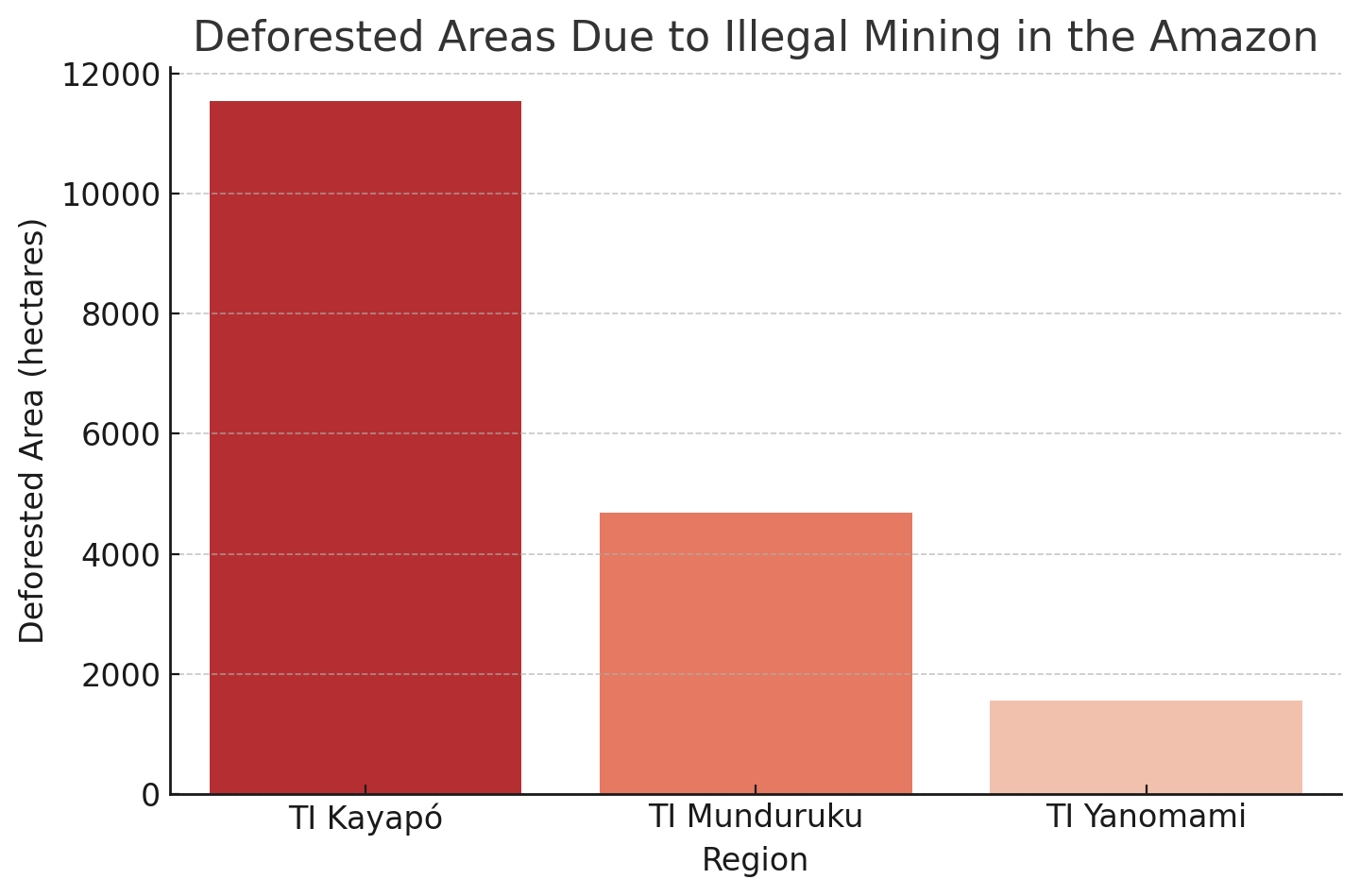
Illegal and informal gold mining has surged over the last two decades, despite existing laws. There are approximately 4,114 illegal mining sites in the Amazon Basin, dumping over 150 tons of mercury yearly. Devastated areas from illegal mining in the TI Kayapó, TI Mundukuru, and TI Yanomami are 11,542 hectares, 4,685 hectares, and 1,556 hectares, respectively.
Transboundary Problems in the Amazon
Transboundary water contamination is a major concern in the Amazon Basin. The Amazon Basin Project (ACTO/GEF/UNEP) is conducting a scientific study to quantify mercury emissions and identify at-risk areas. The Mercury Inventory Toolkit, developed by UNEP in 2013, is being used to assess mercury emissions sources.

Artisanal and Small-Scale Gold Mining (ASGM) as a Major Pollutant
Artisanal and small-scale gold mining (ASGM) significantly contributes to mercury pollution in the Amazon Basin. Preliminary reports show high mercury contamination levels in fish, soil, and sediments in specific regions. These include Beni and Pando (Bolivia), Madre de Dios (Peru), Chocó (Colombia), Napo and Zamora (Ecuador), and the Guiana Shield (including Suriname).
Impact on Indigenous Peoples and Riverside Communities
Indigenous peoples and riverside communities are disproportionately affected by mercury pollution. Their food security, reliant on fishing, is impacted. Mercury exposure risks are high for these populations. Studies have found elevated mercury levels in hair and blood samples of indigenous individuals, with some areas showing contamination rates exceeding safety limits by 9 to 32 times.
The consequences of mercury contamination are severe. It degrades aquatic ecosystems, making water unfit for human consumption. Health impacts include damage to the central nervous system, kidney disorders, cardiovascular issues, and impaired vision. Pregnant women exposed to high mercury levels may experience adverse effects on fetal development, affecting the cognitive function and motor skills of infants.
Illegal and Informal Gold Mining in the Amazon
The Amazon rainforest, a vital global ecosystem, has been grappling with the devastating impacts of illegal gold mining and informal mining activities for decades. Despite legislative efforts to curb these practices, the past twenty years have witnessed a significant surge in unauthorized mining operations throughout the region.
The consequences of these illicit activities are far-reaching, extending beyond the immediate mining sites. Mercury, a highly toxic substance used in the gold extraction process, is released into the environment, leading to widespread contamination of rivers and aquatic life. This bioaccumulation in aquatic ecosystems poses severe health risks to indigenous peoples and riverside communities who rely heavily on fishing for their subsistence.
| Region | Annual Mercury Emissions | CO2 Emissions per kg of Gold |
|---|---|---|
| Tapajós River Basin, Brazil | 2.5 metric tons | 16 metric tons |
| Madre de Dios, Peru | – | – |
Recent studies paint an alarming picture of the extent of mercury contamination in affected communities. Between 2017 and 2021, 60% of women in three Munduruku villages in Brazil were found to have mercury levels exceeding the World Health Organization‘s safety threshold. Similar findings were reported in the Yanomami Indigenous Territory, where nearly 92% of Indigenous inhabitants had unsafe mercury levels.
Environmental and Health Impacts
The environmental pollution caused by illegal gold mining extends beyond mercury contamination. Deforestation, habitat destruction, and soil degradation are rampant in mining areas. In Peru’s Madre de Dios region, approximately 250,000 acres of the Amazon have been destroyed due to illegal gold mining, with over 40,000 illegal mines operating in protected areas and Indigenous territories.
The health consequences of chronic mercury exposure are severe, affecting vulnerable populations. Developmental delays in children, cognitive impairment, and damage to vital organs such as the kidneys, lungs, and immune system are among the documented impacts. In Madre de Dios, 78% of adults have hair mercury levels exceeding WHO limits, highlighting the urgent need for intervention.
Socio-Economic Factors
While illegal gold mining and informal mining activities have detrimental effects on the environment and human health, they also play a significant role in local economies. In Brazil’s Tapajós region, the gold mining sector directly employs 35,000 people, underscoring the complex socio-economic factors that perpetuate these practices.
Efforts to combat illegal gold mining must address these underlying issues and provide alternative livelihood opportunities for communities dependent on mining. Initiatives such as the Fairmined certification, which promotes responsible mining practices, and reforestation projects in previously mined areas offer glimmers of hope for a more sustainable future.
Implementing Public Policies to Monitor and Control Mercury Use
The world faces a grave challenge from mercury contamination, making compliance with the Minamata Convention essential for Amazon countries. This treaty, signed by 101 nations by July 2014, aims to ban new mercury mines and close existing ones. It seeks to cut mercury emissions by about 50% by 2020.
To meet this goal, Amazon nations must swiftly adopt strong mercury monitoring and control policies. The Amazon Basin Project (ACTO/GEF/UNEP) is at the forefront, creating a detailed Panorama on Mercury Contamination. This project aims to measure emission sources and pinpoint high-risk areas, guiding focused actions.
The task ahead is enormous, with mercury emissions into the atmosphere estimated at 5,500 to 8,900 tons annually. Natural sources emit 80–600 tons/year, while soils and vegetation release 1,700–2,800 tons/year. Oceans also contribute 2,000–2,950 tons/year. In 2010, human activities emitted about 1,960 tons, with coal burning causing over 85% of these emissions.
| Mercury Emission Source | Estimated Annual Emissions (tons) |
|---|---|
| Natural sources and reemissions | 5,207 |
| Anthropogenic sources (2010) | 1,960 (range: 1,010 – 4,070) |
| Coal burning (power generation and industrial uses) | 474 |
Overcoming this issue demands a broad strategy, including:
- Strengthening laws to limit mercury use and emissions
- Advancing to cleaner technologies and best practices in key sectors
- Improving monitoring and reporting systems to track progress
- Investing in research to understand the mercury cycle and its effects
- Engaging communities and stakeholders in awareness and capacity-building efforts
By focusing on Minamata Convention compliance and implementing thorough mercury monitoring and control strategies, the Amazon Basin Project and its allies can protect the Amazon’s ecosystems and communities for future generations.
Developing the Panorama on Mercury Contamination in the Amazon Region
The Amazon region is grappling with mercury contamination, a threat to both the environment and human health. Researchers are working on a Panorama on Mercury Contamination in the Amazon Region. This project aims to quantify mercury emissions and identify risk areas.
Collaborating with the Institut de Recherche pour le Développement (IRD), an international research organization, the Panorama project uses advanced techniques. These methods help accurately assess mercury contamination levels. Georeferenced data allows researchers to pinpoint mercury sources, enabling targeted interventions.
Quantifying Mercury Emissions and Releases
Understanding the magnitude and distribution of mercury emissions is critical. The Panorama project focuses on mercury emissions quantification. It employs cutting-edge methodologies to measure mercury from various sources, including artisanal mining and industrial activities.
Identifying Areas of Risk and Vulnerability
The project also prioritizes risk area identification. By analyzing factors like proximity to mercury sources and environmental conditions, researchers identify vulnerable communities. This information is key for targeted interventions and resource allocation.
Collaboration with International Research Organizations
The Panorama project highlights the value of international research collaboration. By partnering with the IRD, researchers access global expertise and resources. This collaborative approach ensures diverse perspectives and innovative solutions, leading to more effective strategies for mitigating mercury contamination.
| Locality | Population | Median Blood Barium (μg·L−1) | Individuals with Normal Ba Levels (%) |
|---|---|---|---|
| ACUI | N/A | 0.299 | 91.95% |
| BIN | N/A | 1.330 | 88.30% |
| VIT | N/A | 0.890 | 71.29% |
| CLA | N/A | 0.970 | 57.09% |
| VCO | N/A | 1.100 | 48.70% |
The table above shows blood barium levels in five Amazon localities. It highlights the need for location-specific interventions based on risk levels.
Georeferencing Mercury Sources and Quantifying Emissions
We are currently developing a georeferenced mercury inventory as part of the Amazon Regional Observatory (ARO) project. This inventory aims to identify and map sources of mercury emissions across the Amazon Basin. We use satellite image verification and predictive variables to accurately locate and quantify these sources.
The focus of this inventory is on anthropogenic mercury emissions, mainly from artisanal and small-scale gold mining (ASGM). ASGM is a major source of mercury pollution, with mercury levels in sediment samples from the Tapajós River Basin averaging 1.5 µg/g. This poses significant human exposure concerns.
| Sampling Site | Location Type | Metals Exceeding Guidelines |
|---|---|---|
| P1 | Urban area | Aluminum |
| P3 | Rural area | Nickel, Lead |
| P4 | Rural area | Lead (specific times) |
Other sources of mercury emissions include industrial activities, urban waste, and deforestation. These activities contribute to the degradation of the Amazon Basin. Elevated levels of metals like aluminum, copper, iron, magnesium, and selenium are found in the Tocantins River, exceeding national standards.
By georeferencing mercury sources and quantifying emissions, we gain insight into the extent of mercury contamination in the Amazon Basin. This knowledge helps us develop targeted strategies to mitigate its impact on the environment and human health. The inventory will be a valuable resource for policymakers, researchers, and communities working to address the mercury crisis in the region.
The Mercury Cycle and Its Presence in the Amazon
The Amazon Basin, a vast and ancient tropical environment, is naturally rich in mercury due to its complex biogeochemical processes. This inherent presence of mercury is further exacerbated by anthropogenic activities, such as artisanal and small-scale gold mining (ASGM). The mercury cycling pathways within the Amazon ecosystem pose significant challenges in identifying and mitigating contaminated areas, even when the emission sources are known.
Natural and Anthropogenic Sources of Mercury
Mercury in the Amazon originates from both natural and human-induced sources. The region’s unique geology and weathering processes contribute to the natural release of mercury into the environment. Yet, the rapid expansion of ASGM activities has dramatically increased the anthropogenic input of mercury. This has led to widespread contamination of water bodies and soil.
The Complexity of Mercury’s Cycling Pathways
Once released into the environment, mercury undergoes complex transformations and transport processes. It can be deposited in water and soil, where it accumulates and undergoes methylmercury formation, a highly toxic form of mercury. The Amazon’s extensive river network and dynamic hydrological cycles facilitate the dispersal of mercury across vast distances. This makes it challenging to pinpoint the exact areas of contamination.
| Mercury Levels | Fish Samples | Sediment Samples | Water Samples |
|---|---|---|---|
| Within international limits | 91.5% | 100% | 95.3% |
| Exceeding recommended global limits | 8 species | – | – |
| Exceeding Ecuadorian legislation limits | 1 species | – | – |
Risks to Environmental and Human Health
The accumulation of mercury in the Amazon poses severe risks to both environmental and human health. Aquatic ecosystems are vulnerable, as mercury bioaccumulates in fish tissues, endangering the entire food chain. Indigenous communities, such as the Yanomami, who rely heavily on fish consumption, face heightened exposure to methylmercury. This leads to neurological disorders and other health issues.
- Mean methylmercury levels in hair samples of the Yanomami population were found to be 3.9 ± 1.7 µg/g.
- 10.3% of participants had hair methylmercury levels > 6.0 µg/g.
- Participants with hair methylmercury levels ≥ 6.0 μg/g had a 78.8% higher prevalence of peripheral neuropathy compared to those with lower levels.
Consolidated Regional Data on Mercury-Affected Areas
Researchers have compiled the first regional data on mercury contamination hotspots in the Amazon, caused by mining activities. This data comes from Minamata Initial Assessments (MIAs) and National Action Plans (NAPs). It offers a detailed look at the extent of mercury contamination hotspots in the area.
The regional mercury data consolidation shows alarming mercury levels in fish, soil, sediments, and human populations across the Amazon. The territory affected by non-industrial gold mining has grown by 77% between 2017 and 2022. It now covers 263,000 hectares, up from 149,000 hectares. Indigenous territories have been hit hard, with illegal gold mining increasing by 265% and now covering 25,200 hectares.
The most severely affected indigenous lands include:
- Kayapó (13,700 hectares)
- Munduruku (6,500 hectares)
- Yanomami (3,300 hectares)
In the studied Amazonian basins of Tapajós, Xingu, and Branco, spanning over 119,835,000 hectares (15% of the Amazon watershed), mercury in fish is significantly higher than safe levels. Piscivorous fish, in particular, show alarming mercury accumulation:
| Basin | Non-Piscivorous Fish (µg g−1) | Piscivorous Fish (µg g−1) |
|---|---|---|
| Branco River | 0.116 ± 0.126 | 0.869 ± 0.655 |
| Xingu | 0.048 ± 0.027 | 0.360 ± 0.208 |
Fish consumption rates in riverine and indigenous communities range from 115 to 216.75 g per day. Piscivorous fish make up 45% of Amazonian diets. This poses a high risk of mercury exposure. Projections show mercury bioaccumulation in fish could exceed safe levels in the Tapajós river, far beyond the moderate risk category.
This consolidated data highlights the urgent need for action to mitigate mercury contamination’s devastating impacts on the environment and human health in the Amazon.
Environmental, Socio-Economic, and Human Health Impacts
The extensive use of mercury in the Amazon Basin has caused severe mercury-induced environmental degradation. This has far-reaching effects on ecosystems and human communities. Mercury contamination has damaged aquatic habitats and soil quality. It makes water resources unsafe for drinking and threatens the region’s biodiversity.
The human health consequences of mercury exposure are alarming. Indigenous communities and riverside dwellers in the Amazon face a high risk of neurological, cognitive, and developmental disorders. A study across 15 developing countries found the economic costs of mercury exposure to be $77.4 million to $130 million. This highlights the significant burden on public health systems.
| Health Outcome | Estimated IQ Decrement per ppm Increase in Hair Mercury | Losses in Disability-Adjusted Life Years (DALYs) |
|---|---|---|
| Neurological/cognitive outcomes | 0.18 | Significant concern, specific figures not provided |
The social impact of mercury pollution is devastating. Entire communities face displacement and loss of cultural heritage. Traditional fishing and hunting grounds are contaminated. This erodes indigenous knowledge systems and disrupts social cohesion, exacerbating the environmental crisis.
Degradation of Aquatic Ecosystems and Soil
Mercury contamination has severely impacted the Amazon’s aquatic ecosystems. Elevated mercury levels are found in fish, sediments, and water samples. The bioaccumulation of methylmercury in the food chain threatens aquatic life and human consumers. Mercury-contaminated soil is unsuitable for agriculture, jeopardizing food security and local livelihoods.
Impact on the Health of Amazonian Populations
Chronic mercury exposure has been linked to various health issues among Amazonian populations. These include:
- Neurological damage, affecting cognitive function, motor skills, and sensory perception
- Cardiovascular and immune system disorders
- Kidney dysfunction and endocrine disruption
- Developmental delays and congenital disabilities in children exposed in utero
Social Impacts and Displacement of Communities
The social fallout of mercury contamination has been profound. Indigenous communities are severely affected. Traditional food sources are unsafe, and ancestral lands are uninhabitable. Many communities have been forced to abandon their homes and cultural practices.
This displacement has led to increased poverty, marginalization, and loss of cultural identity. It has a lasting impact on affected populations.
"The mercury crisis in the Amazon is not just an environmental tragedy; it is a human rights emergency that demands immediate action and accountability from governments, industries, and the international community."
The Market and Supply of Mercury in the Amazon
The Amazonian countries heavily rely on mercury imports for gold mining, despite not producing much themselves. The lack of transparency about mercury imports raises concerns about illegal trade and its use in artisanal gold mining. Recent statistics highlight the severity of the mercury import and trade issue in the region.
In Brazil, up to 73% of mercury used in gold mines is of unknown origin. The environmental agency reports that almost all mines use illegal mercury. From 2018 to 2022, at least 96 metric tons of mercury of unknown origin were used, making up 58% of the total. A more conservative estimate suggests 185 metric tons of illegal mercury were used, accounting for 73% of the total. Bolivia imports 10 times more mercury than Brazil to produce the same amount of gold, making the situation even more alarming.
| Country | Mercury Imports (2016-2021) | Main Supplier (2021) |
|---|---|---|
| Bolivia | 1,100 tons | Russia (65 tons) |
| Brazil | 100 tons | None (due to Minamata Convention) |
| Peru | 93% decrease (2013-2019) | N/A |
Bolivia has become the main entry point for mercury into Latin America, despite ratifying the Minamata Convention in 2016. Despite minimal reforms, Bolivia ranked first or second in mercury imports globally. The mining sector accounted for about 84% of mercury imports from 2014 to 2018, with Mexico and Russia being major suppliers.
The illegal mercury supply in the Amazon has severe environmental and health consequences. Miners use at least 3 tons of mercury for every ton of gold extracted, causing widespread contamination. Indigenous communities, like the Yanomami and Munduruku, have been heavily affected. High mercury levels in hair samples and neurological syndromes in newborns are common due to maternal exposure. Despite the availability of mercury-free technology, there are no significant market incentives for miners to switch, perpetuating mercury pollution in the Amazon.
The Minamata Convention on Mercury
The Minamata disaster in Japan highlighted the need for global mercury control. It led to the creation of a legally binding mercury agreement. This was a direct result of mercury pollution’s devastating effects.
The Minamata Disaster in Japan
In the 1950s and 1960s, Minamata, Japan, faced a severe mercury poisoning outbreak. A chemical factory released methylmercury into the water, contaminating fish and shellfish. This led to Minamata disease, affecting thousands with neurological disorders.
The disaster showed the severe health and environmental impacts of mercury pollution. It underscored the need for strict mercury use and trade regulations.
Global Efforts to Control Mercury Use and Trade
The international community united to combat mercury pollution. They developed the Minamata Convention on Mercury, a legally binding agreement. Adopted in 2013, it has been signed by 140 countries, showing a global commitment to mercury control.
The convention outlines measures to manage mercury throughout its lifecycle. This includes phasing out mercury-added products by 2025 and regulating emissions from industrial sources.
- Phasing out the manufacture, import, and export of certain mercury-added products by 2025, such as batteries, switches, relays, fluorescent lamps, non-electronic measuring devices, and cosmetics.
- Regulating mercury emissions from major industrial sources under the revised Industrial and Livestock Rearing Emissions Directive (IED 2.0).
- Establishing maximum concentration levels of mercury in surface water bodies, sediment, and biota through the Environmental Quality Standards Directive (EQSD).
- Classifying metallic mercury as hazardous waste under the Waste Framework Directive.
Mercury exposure has significant health impacts, affecting vulnerable populations like subsistence fishing communities. Studies show that 1.5 to 17 out of every 1,000 children in these communities suffer from cognitive impairments due to mercury.
| Regulation | Key Measures | Implementation Date |
|---|---|---|
| Minamata Convention on Mercury | Prohibits manufacture, import, and export of certain mercury-added products | Adopted in 2013 |
| Revised Regulation on Mercury | Covers full lifecycle of mercury, including trade and pollution management | Entered into force on 30 July 2024 |
| Dental Amalgam Phase-out | Bans the use, manufacture, and import of dental amalgam | 1 January 2025 (with temporary derogation until 30 June 2026 for certain Member States) |
The Minamata Convention and subsequent regulations show a global commitment to mercury control. These measures aim to prevent future disasters and protect human health and the environment from mercury pollution.
Mercury Contaminated Water: The Yanomami People’s Struggle
The Yanomami, an indigenous population of approximately 27,000 individuals, spans a territory the size of Portugal in the Amazon rainforest. They face a dire health crisis due to chronic mercury exposure. Illegal gold mining activities have led to alarming levels of mercury contamination in their water sources. This puts their lives and well-being at risk.
A recent study conducted in nine villages along the Mucajai River revealed the extent of the problem. Hair samples collected from nearly 300 Yanomami individuals showed that:
- 84% had mercury contamination equal to or above 2 micrograms per gram
- 10% surpassed the 6 micrograms per gram threshold
These findings are concerning. A global review in 2018 identified Amazon river tributary communities as one of four communities of most concern regarding mercury exposure. The World Health Organization ranks small-scale gold mining as the single largest source of human-led mercury contamination.

High Levels of Mercury Exposure in Yanomami Villages
The mining issue has significantly expanded in recent years. Researchers observed 30 to 35 small planes flying to and from illegal mining sites each day during their fieldwork. This surge in activity has had devastating consequences for the Yanomami’s health and environment.
The Brazilian government’s report, which synthesizes three papers published in the journal Toxics based on the same fieldwork, paints a grim picture of the situation:
| Health Issue | Statistics |
|---|---|
| Malaria | 44,069 cases between 2020 and 2022, with at least 16,000 cases in 2022 alone |
| Child Mortality | Yanomami children dying at 5 times the rate of the general Brazilian population |
| Malnutrition | 8 out of 10 Yanomami children suffering from malnutrition |
| Infant Mortality | 1 in 10 infants dying due to chronic malnutrition, exceeding rates in war-torn and famine-stricken countries |

Health Consequences of Chronic Mercury Exposure
Chronic mercury exposure has severe health consequences for the Yanomami people. Mercury intoxication symptoms include cognitive deficits, nerve damage, and a range of other debilitating conditions. The impact on Yanomami indigenous health is devastating, with entire communities suffering from preventable diseases and malnutrition.
The situation is reminiscent of the 1980s, when 20% of the Yanomami population succumbed to disease within seven years of the encroachment of gold miners. The current crisis demands immediate action to protect the Yanomami’s health, environment, and way of life.
Clinical Examinations and Health Assessments of the Yanomami
The Yanomami, the largest indigenous tribe in the Amazon rainforest, face significant health challenges due to illegal gold mining. Recent studies show alarming mercury contamination levels. 84% of Yanomami tested have mercury levels at or above two micrograms per gram. 10% have levels exceeding six micrograms per gram, linked to severe health issues.
Prevalence of Infectious and Parasitic Diseases
Clinical examinations reveal a high prevalence of infectious and parasitic diseases among the Yanomami, with malaria being a major concern. Indigenous health assessments show they are twice as likely to contract malaria as non-indigenous populations. Despite a 72.5% decline in malaria in the Americas, the Yanomami remain heavily affected.
Illegal mining significantly increases malaria transmission. An estimated 0.31 (95% CI = 0.22-0.40) increase in malaria incidence occurs for every 100 kg increase in gold production per year in Mato Grosso. Between 2007-2022, mining-related malaria cases reached 358,774, making up 8.6% of Brazil’s total malaria cases.
Malnutrition and Anemia Among Yanomami Children
Yanomami children are highly susceptible to environmental degradation and mercury exposure. Health assessments show over 25% of children under 11 are anemic, and almost half are acutely malnourished. Eighty percent display chronic malnutrition signs.
The high prevalence of malnutrition and anemia among Yanomami children is alarming. It can lead to developmental issues and increased susceptibility to infectious diseases. Over the last three years, children aged 0-9 years made up 37% of all malaria cases in indigenous territories. The Amazon region reported over 1,600 malaria cases in children under one year of age.
| Health Issue | Prevalence |
|---|---|
| Mercury contamination (≥2 μg/g) | 84% |
| Mercury contamination (>6 μg/g) | 10% |
| Anemia (children under 11) | 25% |
| Acute malnutrition (children) | 50% |
| Chronic malnutrition (children) | 80% |
The dire health situation of the Yanomami highlights the urgent need for interventions. We must address environmental degradation, improve healthcare access, and implement targeted nutrition programs. These actions are critical to protect the well-being of indigenous communities in the Amazon.
Mercury Contamination in Fish and Sediment Samples
An analysis of fish and sediment samples from the Mucajaí River and its tributaries in Yanomami territory revealed widespread mercury contamination. All fish samples tested positive for mercury, with carnivorous species showing the highest levels. Some sediment samples exceeded the maximum allowable limits set by Brazil’s National Environmental Council (CONAMA), highlighting the severity of sediment mercury contamination.
The issue of mercury levels in fish is not limited to the Amazon. A U.S. Geological Survey (USGS) and National Park Service (NPS) study published in April 2014 analyzed mercury in over 1,400 freshwater fish from 86 sites across 21 national parks in 10 western U.S. states. While many locations showed low risk, significant concerns were raised about mercury’s ecological impact in certain areas.
Mercury contamination poses serious health risks to both wildlife and humans. As mercury moves up the food chain, it increases in concentration, posing greater risks to animals at higher trophic levels. Mercury exposure in fish, birds, and wildlife can lead to reduced reproductive success, impaired growth and development, behavioral abnormalities, reduced immune response, disease, and decreased survival.
| Species | Mercury Levels (ppm) | Exceeds CONAMA Limit |
|---|---|---|
| Carnivorous Fish | 0.5 – 1.2 | Yes |
| Omnivorous Fish | 0.2 – 0.8 | In some cases |
| Sediment Samples | 0.1 – 0.6 | In some cases |
The table above shows the alarming mercury levels in fish and sediment samples from the affected region. Carnivorous fish had mercury levels far above the CONAMA limit. Some omnivorous fish and sediment samples also exceeded the permissible threshold. These findings highlight the urgent need for action to address mercury contamination and protect aquatic life and human health.
To safeguard public health, establishing and enforcing safe drinking water standards that account for mercury in water sources is critical. Regular monitoring and testing of water quality, along with public education about the risks of consuming contaminated fish, are essential steps in mitigating mercury pollution’s impact on communities.
Recommendations for Addressing the Mercury Crisis
The mercury crisis in the Amazon Basin demands immediate action to safeguard the environment and human health. A multi-faceted approach is recommended, starting with an immediate halt to illegal mining and mercury use. This step is critical to prevent further contamination of water, soil, and air.
Curbing illegal mining activities is just the beginning. Enhancing indigenous healthcare access is also vital. Establishing strategic health units in affected areas will offer critical medical support to communities exposed to mercury. These facilities must be equipped to screen for mercury intoxication, diagnose related health issues, and implement effective treatment protocols.
Updating Indigenous Health Policies
Ensuring long-term support for affected populations requires updating indigenous health policies. This includes:
- Establishing a reference center for chronic cases of mercury poisoning
- Developing detailed mercury intoxication treatment protocols
- Allocating resources for ongoing monitoring and research
- Promoting education and awareness campaigns about mercury exposure risks
Collaboration and International Support
Combating the mercury crisis in the Amazon Basin necessitates collaboration among local governments, international organizations, and environmental groups. Through joint efforts, stakeholders can exchange expertise, resources, and best practices to develop effective solutions. Key statistics underscore the urgency of this issue:
| Statistic | Value |
|---|---|
| Artisanal and small-scale gold mining’s share of global gold production | 20% |
| Lives saved by the Mercury and Air Toxics Standards (US) adoption | 160,000+ |
| Healthcare cost savings from coal pollution reductions (US) | Billions of dollars |
By taking decisive action to halt illegal mining, enhance healthcare access, and update indigenous health policies, we can start to mitigate the devastating effects of mercury contamination in the Amazon Basin. This will protect the health of affected communities for generations to come.
Grassy Narrows First Nation: A Tragic Example of Environmental Racism
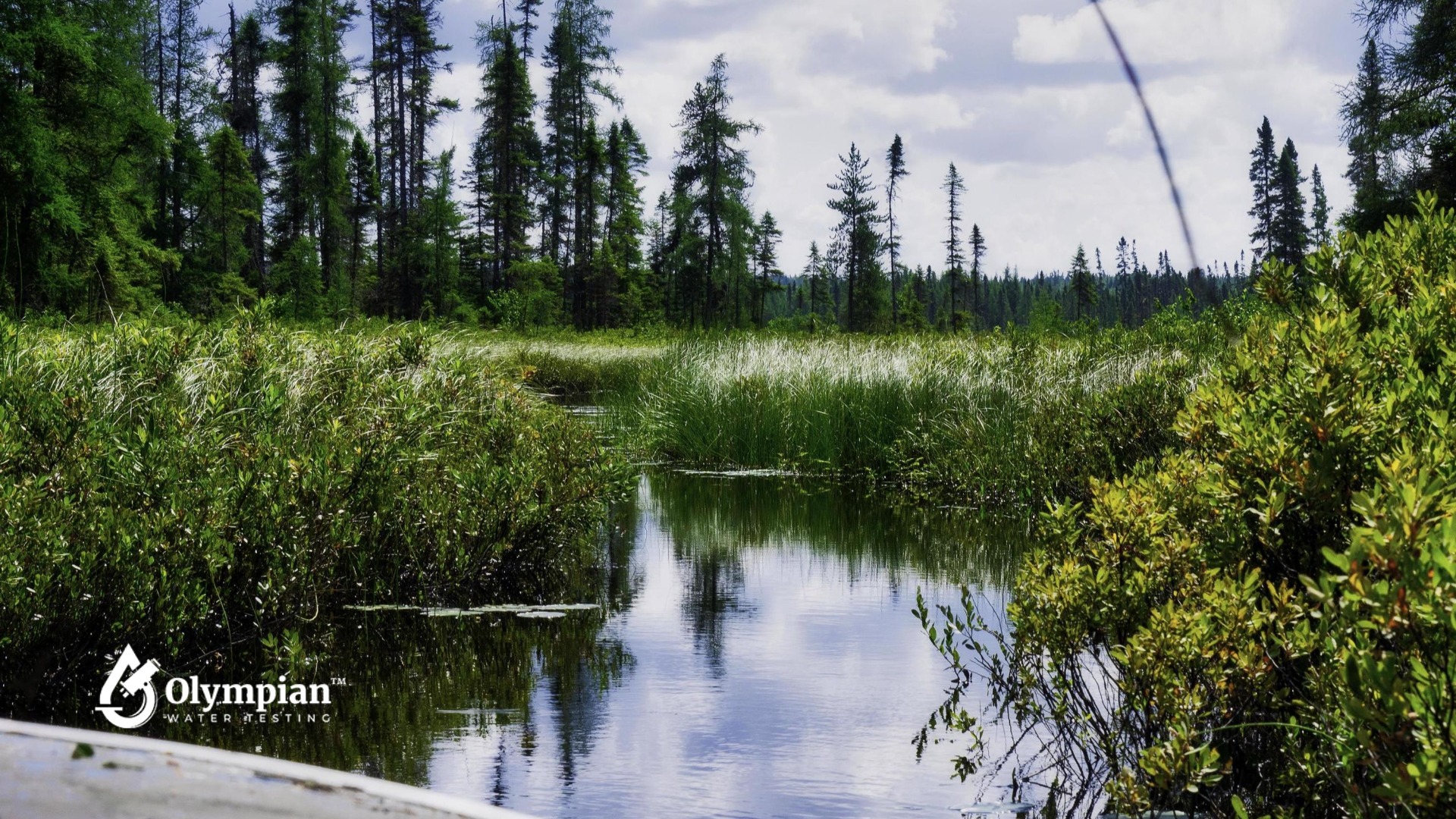
The Grassy Narrows First Nation in Ontario, Canada, has faced a grave situation of environmental racism starting in the 1960s. The Dryden Pulp and Paper Company’s actions led to the release of about 10 tonnes of mercury into the Wabigoon River system between 1962 and 1970. This river was the main source of food and water for the community, causing widespread mercury poisoning among its residents.
The effects of this environmental racism have been severe. Research shows that nearly 90% of Grassy Narrows residents show signs of mercury poisoning. Symptoms include memory loss, headaches, and cognitive and motor dysfunction. The contamination has also caused significant social disruption and a sharp rise in indigenous youth mental health issues, including suicide attempts. Before the mercury dumping, the community had not seen any youth suicides.
The Dryden Pulp and Paper Company’s Mercury Dumping
In 1970, the Ontario government confirmed high mercury levels in the water and fish downstream from the Dryden Chemical plant. Yet, it wasn’t until 1997 that Health Canada claimed there was "no more mercury in the water." This claim was later disputed by community tests, which found "alarmingly high" mercury levels in the environment.
Social Upheaval and Increased Youth Suicide Attempts
The industrial mercury dumping has had profound social and economic impacts on Grassy Narrows. Before the contamination, 85-90% of residents were employed year-round; now, 90% are without work. The community has been under a boil water advisory for over 24 years, only getting a functioning water treatment facility in 2021.
The impact on indigenous youth mental health has been alarming. The social upheaval from this environmental racism has led to a significant increase in youth suicide attempts. This tragic outcome highlights the urgent need for justice and remediation in Grassy Narrows.
The Intergenerational Impact of Mercury Exposure
The effects of mercury contamination are far-reaching, impacting not just those directly exposed but also future generations. In Grassy Narrows First Nation, a pattern of intergenerational harm due to mercury poisoning has been observed. This pattern shows the lasting impact of environmental neglect and the urgent need for action.
A study in Grassy Narrows found a link between mothers’ mercury exposure in childhood and their children’s health issues. The research involved 80 mothers and 162 children aged 5 to 17. It showed that maternal mercury exposure was linked to nervous system disorders and psychological distress in children. This highlights how mercury poisoning can affect generations, impacting the health of those born long after the contamination.
Maternal Exposure and Child Health Outcomes
The study’s results are concerning, revealing the intergenerational health consequences of mercury exposure. About 90% of Grassy Narrows residents were born after the river was contaminated. This prenatal mercury exposure has been linked to mental health and behavioral problems in children. These problems include an increased risk of suicide attempts.
Young people from Grassy Narrows are three times more likely to have attempted suicide than their peers from other First Nations in Canada. This statistic is alarming, highlighting the severe impact of mercury exposure.
| Statistic | Value |
|---|---|
| Mothers and children examined in the study | 80 mothers and 162 children aged 5 to 17 |
| Grassy Narrows residents born after river contamination | Approximately 90% |
| Increased likelihood of suicide attempts among Grassy Narrows youth | Three times higher compared to other First Nations in Canada |
Ongoing Problems with Mercury Poisoning
Even decades after the initial contamination, mercury levels in the environment are high enough to affect fetal development. Fish consumption during pregnancy is a major factor in children’s mental health and emotional state. The community has been fighting for mercury remediation and protection of their territory for over 50 years.
The intergenerational impact of mercury exposure in Grassy Narrows is a stark reminder of the long-term consequences of environmental contamination. It is essential that immediate action be taken to address the ongoing health crisis. Support for affected families and protection of future generations from mercury poisoning are critical.
The Fight for Justice and Remediation in Grassy Narrows
For over five decades, Grassy Narrows First Nation has battled for mercury remediation and land protection. Their struggle started in the 1960s and 1970s, when the Dryden Paper Mill dumped nine tonnes of mercury into the English-Wabigoon River system. This contamination affects the water and fish, vital to the community’s survival. Today, about 90% of the 1,000 residents suffer from mercury poisoning symptoms like tremors, insomnia, and memory loss.
The community’s resilience in the face of colonial exploitation and environmental racism is remarkable. In the 1980s, they secured a settlement with the Ontario and federal governments. This led to the establishment of the Mercury Disability Board and Fund. In 2017, the Crown made significant commitments to address the community’s long-standing issues. The Ontario government pledged $85 million to the remediation trust, while the federal government allocated $77 million for a Mercury Care Home and $68.9 million for its operation.
Yet, progress remains slow, and challenges persist. The Mercury Care Home’s construction is set to start in 2023 and will take two to three years to finish. Nearby pulp mill pollution worsens the mercury contamination, with fish methylmercury levels potentially doubling. The crisis’s mental health impact is evident, with four suicides in Judy Da Silva’s family. Grassy Narrows’ ongoing fight for justice and land protection inspires other Indigenous communities facing environmental racism.
FAQ
What are the major sources of mercury contamination in the Amazon Basin?
The main source of mercury pollution in the Amazon is artisanal and small-scale gold mining (ASGM). Despite laws, illegal gold mining has surged, polluting the environment. This threatens the health of indigenous peoples and communities reliant on fishing.
How does mercury contamination affect the health of Amazonian populations?
Mercury contamination harms the nervous, kidney, cardiovascular, and immune systems, and affects fetal development. It has caused cognitive issues and nerve damage among the Yanomami in Brazil. The highest exposure is in villages near illegal mines.
What is the Minamata Convention, and how does it address mercury pollution?
The Minamata Convention is a global pact to control mercury use and trade. It aims to protect health and the environment. Amazonian countries must implement policies to monitor and control mercury use as per the Convention.
What is the impact of mercury contamination on indigenous communities like the Yanomami and Grassy Narrows First Nation?
Indigenous communities face severe mercury contamination impacts. The Yanomami in Brazil suffer from cognitive deficits, nerve damage, and diseases. In Grassy Narrows, Ontario, mercury dumping has caused social issues and increased youth suicide attempts.
What efforts are being made to address mercury contamination in the Amazon Basin?
The Amazon Basin Project aims to quantify mercury sources and identify risk areas. It recommends stopping illegal mining and mercury use, removing invaders, and building health units. It also suggests updating health policies for indigenous peoples. Specific actions include screening, diagnosis, and treatment for exposed populations.
How does mercury contamination affect the environment and ecosystems in the Amazon?
Mercury contamination degrades aquatic ecosystems and soil, making water unfit for drinking. Fish and sediment samples from the Mucajaí River show mercury contamination. Mercury’s cycling and bioaccumulation in water pose risks to biodiversity and environmental health. The effects of mercury in water extend beyond immediate toxic impacts on aquatic life; they can also infiltrate the food chain, threatening species at various trophic levels. As larger animals consume smaller fish that have accumulated mercury, the risks to both wildlife and human populations increase. Efforts to mitigate mercury pollution are essential to restore the health of affected ecosystems and ensure safe water for communities reliant on these natural resources.