Why Water Quality Matters to Tourists and Residents
Access to clean water is essential for anyone in Australia. The country’s warm climate necessitates regular hydration. The Australian Drinking Water Guidelines ensure water quality meets standards, boosting public confidence. This confidence encourages more visitors to drink tap water directly.
Having access to high-quality water saves money on bottled water. It provides a reliable source for cooking, washing produce, and staying hydrated. This focus on safety appeals to both tourists and locals, promoting good health throughout the year.
Impact on Travel Plans
Visitors value solutions that save money and prevent illness. Drinking from taps or fountains saves the hassle of carrying heavy bottles. This convenience makes exploration more enjoyable, reducing worries about water contamination.
Importance of Safe Hydration
Dependable water sources are critical for daily routines, from cooking to staying hydrated. Clean water tanks and filtration systems reduce health risks. Safe hydration builds trust, creating positive experiences for both travelers and locals.
Factor | Benefit |
Consistent Standards | Builds confidence in tap usage |
Safe Hydration | Reduces risk of health problems |
Government Standards for Drinking Water
Australia has a strong framework for ensuring drinking water safety, thanks to federal and state regulations. The Public Health Act outlines the monitoring process, which local councils carry out in partnership with health departments. This system is designed to catch any increases in bacteria or chemicals early on. It protects both visitors and residents.
NHMRC guidelines dictate the standards for inspections, leading to quick action when contaminants are found. If a contaminant is detected during a test, officials swiftly act to protect water supplies across various areas. This ensures water meets strict standards from the treatment plant to your tap.
American travelers also benefit from this strict oversight. It builds confidence in the safety of their drinking water. Plus, access to local testing data can provide even more reassurance.
Understanding Different Water Sources
In Australia, many areas use a combination of water sources for drinking. Each source affects the taste, mineral content, and purity of the water. This mix helps meet environmental changes and population demands.
Surface Water
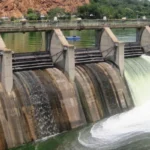
Rivers, lakes, and dams are major sources of tap water. They collect runoff from both urban and rural areas. This can lead to pollution concerns. Local authorities closely monitor these sources to ensure they are safe for drinking.
Groundwater
Some communities tap into underground aquifers. These underground deposits can add minerals that alter the water’s taste and texture. Filtration and regular testing are key to maintaining the water’s quality for drinking.
Desalinated Water
Coastal areas often use technology to remove salt from seawater. This creates clean drinking water, essential for growing populations in dry times. Desalination acts as a backup when other water sources are scarce.
Municipal Treatment Processes
In Australia, local utilities transform raw water into a safe drinking supply through various steps. Sand and other filters remove visible particles, making the water clear for further treatment. Chlorine is then added to kill bacteria and viruses, ensuring the water is germ-free for homes and businesses.
Fluoride is also added to the process, following health authority guidelines to combat tooth decay. Each municipality adheres to strict drinking water standards, testing for chemicals and microbes. Laboratories regularly check for metals, organic compounds, and harmful organisms.
Facilities stay updated with Australia’s water and wastewater treatment initiatives. This ensures trust among residents and visitors. Experts focus on maintaining the water’s taste and odor, ensuring a pleasant experience. Public reports keep everyone informed about their community’s water supply.
Regional Variations in Taste and Mineral Content
Every region in Australia has its own unique water flavor. Local geology, climate, and treatment methods contribute to these differences. Water travels through various paths before reaching homes, leading to subtle taste and mineral variations.
Coastal Cities
In cities like Sydney and Perth, some water comes from desalination. This process removes salt but may introduce a unique taste. The proximity to the ocean and the use of pipelines and storage facilities near it influence the taste of tap water. Residents have grown accustomed to these characteristics, finding them refreshing.
Inland Regions
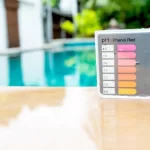
Inland communities rely on rivers or underground aquifers for their water. These sources can impart specific minerals, altering the water’s pH and flavor. The aging of pipes and the varied infrastructure also impact the taste of water by the time it reaches the faucet.
- Mineral makeup (calcium, magnesium, iron)
- Desalination processes
- Distribution and storage systems
Location | Water Source | Notable Characteristic |
Sydney | Desalinated + Dams | Clean with slight salt trace |
Perth | Desalinated + Groundwater | Light mineral tang |
Alice Springs | Artesian Basin | Subtle mineral warmth |
Exploring Tap Water in Australia
Travelers often rely on tap water when visiting new places. Australia is notable for its dedication to ensuring drinking water safety. This commitment stems from a history of scientific advancements and public health efforts.
Historical Context
The Australian Water Resources Council set the stage in 1974 with its guidelines. This led to the National Water Quality Management Strategy, guiding communities toward safer drinking water. Fluoridation, which started in some areas, was later adopted nationwide, reducing tooth decay for millions.
Modern Quality Checks
Today, Australia’s water quality is monitored under the Australian Drinking Water Guidelines by the National Health and Medical Research Council (NHMRC). These guidelines are regularly updated to reflect the latest scientific findings. Continuous testing ensures water supplies are free from contaminants, giving families, students, and visitors peace of mind. This vigilant approach builds lasting trust and protects the public from new health risks.
Year | Milestone |
1974 | First national guidelines published |
1984 | 66% of population had fluoridated water |
2017 | NHMRC reaffirmed safety of water fluoridation |
Potential Contaminants and Health Concerns
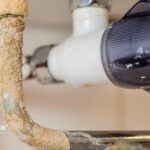
Australian water is generally considered safe. Yet, certain contaminants require vigilance. Old plumbing can leach heavy metals, posing a risk. Many households mitigate this by briefly flushing taps.
PFAS compounds have raised health concerns in specific industrial areas. If not addressed, these chemicals can persist. This highlights the need for effective mitigation strategies.
Utilities in Australia conduct regular tests for PFAS levels. These results are often available online. This allows residents and visitors to stay informed about water quality.
Drinking water in Australia adheres to strict standards. Any spikes in PFAS levels trigger immediate action. This ensures public confidence and maintains water quality.
American travelers should stay updated on local advisories. Some areas publish updates on their websites. These reports detail any new findings or recommendations.
Being aware of changes in taste or clarity can also indicate issues. Such knowledge empowers both tourists and residents. It allows them to enjoy their water with fewer concerns.
Water Safety Tips for American Travelers
Exploring Australia can be invigorating if you understand how to use local resources wisely. The water quality in Australia is generally high. Yet, taking a few precautions can ensure your health and peace of mind.
Essential Precautions
To feel confident about tap water in Australia, check local bulletins for updates. Some travelers run their faucets briefly to flush out older pipes. Using cold water for cooking and drinks is safer. Bringing a small water filter bottle is useful for trips.
Local Etiquette
Australians value water conservation, so being mindful is key. Taking shorter showers and using water responsibly in public places shows respect for local customs. Restaurants often provide free chilled water, and a simple "thank you" is appreciated.
What to Do if You Fall Ill
If you experience stomach cramps, rehydrating quickly is essential. The Centers for Disease Control and Prevention advise seeking medical help if symptoms persist for over a day. Keeping up with fluid intake can aid in recovery.
Tip | Benefit |
Check Updates | Stay informed about local advisories |
Flush Faucets | Reduce metal residue from old pipes |
Choose Cold Water | Minimize exposure to unwanted particles |
Seek Care Early | Prevent minor issues from escalating |
Bottled Water vs. Tap Options
Staying hydrated in Australia is straightforward for American travelers. Drinking fountains are abundant in bustling areas, making it easy to refill on the move. Many visitors rely on local water quality, sparking a debate between tap and bottled water.
Cost Considerations
Bottled water tends to be more expensive. Tap water, on the other hand, is often free, even in big cities. Restaurants and cafes frequently allow refilling reusable containers, which can save money.
Environmental Impact
Plastic waste harms marine life, and single-use bottles contribute to landfills. Switching to refillable bottles can significantly reduce pollution. It also helps preserve natural environments and supports sustainability efforts. Opting for filtered tap water meets hydration needs without the need for extra packaging.
Type | Pros | Cons |
Tap | Minimal cost, regulated frequently | Varies in taste among regions |
Bottled | Convenient in stores nationwide | Pricier and can lead to plastic buildup |
Advice on Water Filters and Filtration Systems
Travelers and locals often seek extra assurance about their water. This is due to taste or odor issues, leading them to look into filtration options. They might opt for simple gadgets for quick use or more complex systems for their homes.
Portable Filters
Portable filters are great for weekend camping or long road trips across Australia. Brands like Sawyer offer lightweight designs that catch sediments from streams or uncertain sources. They can attach to reusable bottles or hydration packs for easy use.
- Carbon-based models can reduce chlorine and unpleasant flavors.
- Maintenance requires frequent rinsing to prevent bacterial buildup.
Household Purification Units
Families who prefer clean-tasting water often choose filtration systems. These can be installed under sinks or on faucets. Reverse osmosis setups are popular for addressing mineral issues in older buildings. For more information, check out this independent consumer resource.
Regular cartridge changes are essential to prevent bacterial growth. Each filtration unit has its own features. Users should consider local water quality, budget, and filter replacement frequency.
Making an Informed Choice About Drinking Water in Australia
Australia’s tap water quality is of the highest standard, reassuring both visitors and locals. The government’s strict oversight and advanced treatment technologies ensure it’s free from harmful contaminants. While taste can vary by region, these differences rarely indicate safety concerns.
Travelers from the United States often choose to drink local water, staying informed about any updates. Alerts are uncommon, and authorities act quickly to address any issues. Some prefer using water filters at home or while traveling. This meets their taste preferences and offers reassurance in unfamiliar areas.
Opting for bottled water can be expensive and environmentally unfriendly. Australian tap water, on the other hand, is a more sustainable choice. It combines quality with environmental responsibility, supporting both personal health and the nation’s conservation efforts.
This level of dedication to water safety gives people confidence in their hydration choices. Across the country, reliable sources underscore this commitment. Making an informed decision about drinking water in Australia enhances your stay, reduces costs, and boosts your peace of mind.
FAQ
Is tap water safe to drink in major Australian cities like Sydney and Perth?
Yes. Public health authorities, such as NSW Health and local utilities, monitor and treat water supplies. They ensure compliance with stringent Australian Drinking Water Guidelines. Even coastal cities, which use desalinated water, maintain safety standards under the Public Health Act. Regular testing for contaminants is a routine practice.
Why does tap water sometimes taste different depending on location?
Taste variations stem from the water source, whether it’s surface water, groundwater, or desalination. Minerals, pipe materials, and local pH adjustments also play a role. These factors can change the taste, but they rarely indicate a safety issue.
Should residents and tourists practice a “first-flush” method before drinking tap water?
Practicing a “first-flush” can help clear out metals accumulated in pipes overnight, a concern in older systems. Running the water briefly can lower the risk of ingesting stagnant metals. This method ensures safety and palatability.
How do Australian utilities handle potentially contaminated PFAS?
Water providers across Australia test for PFAS regularly, following NHMRC guidelines. If levels exceed acceptable thresholds, immediate action is taken. This ensures the water supply remains safe for the public.
What role does fluoridation play in Australian tap water?
Fluoridation, guided by national health authorities, strengthens dental health by reducing tooth decay. Water utilities monitor fluoride levels carefully. They aim to stay within recommended guidelines, contributing to public health without compromising water quality.
Are there any concerns about heavy metals in tap water?
Most municipal supplies adhere to strict benchmarks, keeping heavy metal concentrations below harmful levels. In older buildings, plumbing may introduce trace metals. Adopting the “first-flush” strategy and occasional testing can further mitigate risks.
Is bottled water necessary for travelers in Australia?
In most cases, bottled water is not essential. Tap water is generally safe, meeting drinking water standards and undergoing extensive testing. Opting for tap water can save money and reduce single-use plastic waste, minimizing environmental impact and vacation expenses.
Do water filters or purification systems offer added benefits?
While municipal water is already treated and safe, filters can address specific preferences or localized issues. They can handle taste, odor, or high mineral content. Portable filters are useful when traveling to remote areas. It’s essential to maintain these systems properly to prevent bacterial buildup and ensure ongoing effectiveness.