Best residential water softener options 2025
- Published:
- Updated: January 15, 2025
Listen to this article
Summary
In 2025, choosing the best residential water softener depends on water hardness levels, household needs, and environmental concerns. Options range from traditional ion exchange systems, like the Fleck 5600SXT, to salt-free conditioners, like the SpringWell FutureSoft, and advanced systems like the Aquasana Rhino. Each system offers unique benefits, such as cost efficiency, sustainability, and comprehensive water treatment.
Key Points:
- Ion Exchange Systems: Systems like Fleck 5600SXT are reliable and efficient, offering precise control and reducing water and salt waste.
- Salt-Free Alternatives: The SpringWell FutureSoft uses template-assisted crystallization to reduce scale buildup without adding sodium.
- Dual-Tank & Whole-House Systems: Aquasana Rhino and Pelican Advantage Series offer comprehensive water softening with multi-stage filtration, ideal for large households.
In an era where water quality is paramount, understanding the nuances of water softening is essential for both homeowners and environmental professionals. Hard water, laden with minerals such as calcium and magnesium, can lead to scale buildup in plumbing, reduced efficiency of heating systems, and diminished effectiveness of detergents and soaps. To combat these issues, investing in a high-quality residential water softener system is crucial. This article examines the best residential water softener options for 2025, providing insights into their functionality, benefits, and the technology that sets them apart.
Understanding Water Softening
Water softening is a process that removes minerals responsible for water hardness. The most common method involves ion exchange, where calcium and magnesium ions are replaced with sodium or potassium ions. This process not only prevents scale buildup but also enhances the longevity and efficiency of appliances and plumbing systems. Understanding the mechanisms behind different water softening systems can help consumers make informed decisions that align with their specific water quality needs.
The Science Behind Water Hardness
Water hardness is primarily caused by calcium and magnesium ions. These minerals can be naturally occurring in underground water sources, accumulating as water flows over and through rocks. The science of water softening revolves around counteracting these ions, preventing them from forming scale. Scale not only affects plumbing but can also shorten the lifespan of appliances by clogging pipes and reducing efficiency.
Benefits of Water Softening
The benefits of water softening extend beyond just preventing scale. Softened water can improve the effectiveness of soaps and detergents, allowing for better cleaning with less effort. Additionally, it can enhance the lifespan of household appliances, such as dishwashers and washing machines, by minimizing mineral buildup. Softened water can also contribute to energy savings, as heating systems operate more efficiently without scale hindrance.
Environmental Considerations
While water softening provides many household benefits, there are environmental considerations to keep in mind. Traditional ion exchange systems release sodium into wastewater, which can impact local ecosystems. Innovations in water softening technology aim to address these concerns by reducing salt usage or offering salt-free alternatives. Understanding these environmental implications is vital for choosing a system that aligns with sustainable practices.
Key Features of the Best Water Softeners

Ion Exchange Systems
Ion exchange systems remain the industry standard for water softening, thanks to their proven effectiveness and reliability. These systems typically consist of a resin tank where the ion exchange occurs and a brine tank that stores the salt solution used to recharge the resin. In 2025, advancements in resin technology and system design have improved the efficiency and environmental impact of these systems, making them a popular choice for residential use.
Advancements in Resin Technology
Recent developments in resin technology have significantly enhanced the performance of ion exchange systems. Modern resins are designed to increase the ion exchange capacity, allowing them to handle harder water with greater efficiency. These advancements also contribute to longer resin lifespans and reduced maintenance needs, providing homeowners with a more cost-effective solution over time.
System Design Innovations
Innovations in system design have streamlined water softener operations. Contemporary systems feature more compact and efficient designs, making them easier to install in a variety of home settings. Additionally, improvements in control systems, such as digital interfaces and smart technology integration, enable more precise management of the softening process, optimizing water and salt usage.
Environmental Impact and Efficiency
While traditional ion exchange systems are effective, their environmental impact has been a concern. However, recent innovations have focused on reducing salt and water usage during the regeneration process, minimizing the ecological footprint. High-efficiency models are now available, offering both environmental benefits and cost savings, which appeal to eco-conscious consumers.
Salt-Free Water Conditioners
Salt-free water conditioners offer an alternative to traditional ion exchange systems. Instead of removing hardness minerals, they alter their chemical structure to prevent scale formation. This process, known as template-assisted crystallization, is ideal for households seeking a low-maintenance solution that does not add sodium to the water supply. While not true water softeners, these systems provide a viable option for those looking to mitigate the effects of hard water.
How Template-Assisted Crystallization Works
Template-assisted crystallization (TAC) involves using a catalyst to change the structure of hardness minerals. This process converts the minerals into a form that does not adhere to surfaces, thus preventing scale buildup. TAC is a chemical-free method, offering a maintenance-friendly alternative to traditional systems without adding sodium or other substances to the water.
Benefits of Salt-Free Systems
Salt-free systems provide several benefits, particularly for those concerned about sodium intake or environmental impact. They require minimal maintenance, as there is no need for regular salt replenishment or regeneration cycles. Additionally, these systems can be more environmentally friendly, as they do not discharge sodium into wastewater, making them suitable for regions with strict environmental regulations.
Considerations for Salt-Free Systems
While salt-free systems offer many advantages, they are not suitable for all situations. They do not remove hardness minerals, which means they may not be effective in areas with extremely hard water. Potential buyers should evaluate their specific water quality needs and consider whether the trade-offs of a salt-free system align with their household requirements.
Dual-Tank Systems
Dual-tank systems are designed for households with high water usage. These systems feature two resin tanks, allowing for continuous water softening even during the regeneration process. This design ensures a consistent supply of softened water, making it an ideal choice for large families or homes with significant water demands.
Continuous Softening Benefits
The primary benefit of dual-tank systems is the ability to provide continuous softening. By having one tank in use while the other regenerates, these systems ensure that there is always softened water available. This feature is particularly beneficial for large families or homes with high water consumption, where consistent water quality is essential.
Ideal Applications for Dual-Tank Systems
Dual-tank systems are particularly advantageous in settings with high water usage, such as large households or commercial establishments. They can handle the demands of multiple water outlets running simultaneously, providing a steady supply of softened water. This capability makes them a preferred choice for those who require uninterrupted water softening.
Cost and Maintenance Considerations
While dual-tank systems offer significant benefits, they can be more expensive upfront compared to single-tank systems. However, their efficiency and reliability often justify the investment. Maintenance requirements are typically similar to other ion exchange systems, with regular salt replenishment and occasional resin cleaning, but the continuous operation feature can offset these costs by preventing downtime.
Magnetic and Electronic Descalers
Magnetic and electronic descalers are emerging as innovative solutions in the water softening market. These devices use electromagnetic fields to alter the properties of hardness minerals, preventing them from adhering to surfaces. While their effectiveness can vary based on water composition and flow rate, they offer a chemical-free alternative that requires minimal maintenance.
How Descalers Work
Magnetic and electronic descalers function by emitting electromagnetic fields that disrupt the bonding process of hardness minerals. This disruption prevents minerals like calcium and magnesium from forming scale on surfaces. These systems are installed on the exterior of pipes, making them a non-intrusive and simple addition to existing plumbing systems.
Benefits of Using Descalers
The primary advantage of descalers is their chemical-free operation, which appeals to those seeking environmentally friendly water treatment solutions. They are easy to install and require little maintenance, as they do not involve complex mechanical parts or consumables like salt. Descalers can also extend the lifespan of plumbing and appliances by reducing scale buildup.
Limitations and Considerations
Despite their advantages, descalers may not be suitable for all water hardness levels. Their effectiveness can be influenced by water composition, flow rate, and the presence of other minerals. Potential users should conduct thorough research and possibly consult with professionals to determine if a descaler will meet their specific water treatment needs.
Top Residential Water Softener Systems for 2025
1. Fleck 5600SXT Digital Water Softener
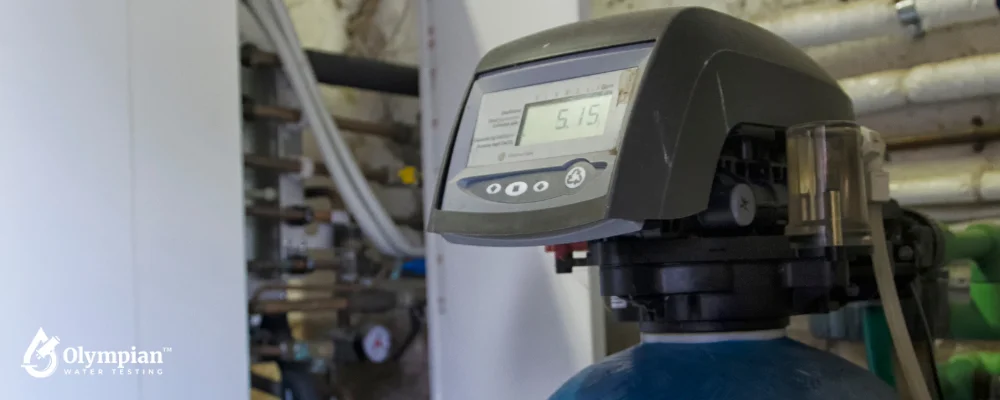
The Fleck 5600SXT remains a top contender in the residential water softener market. Known for its durability and efficiency, this system uses a digital control head to optimize the regeneration process, reducing water and salt usage. Its user-friendly interface and robust construction make it a reliable choice for homeowners seeking a long-term solution to hard water problems.
Advanced Digital Controls
The Fleck 5600SXT features advanced digital controls that allow for precise management of the softening process. These controls enable users to customize regeneration cycles based on their specific water usage patterns, optimizing efficiency and minimizing waste. The digital interface is intuitive, providing clear instructions and status updates, making it accessible even for those new to water softening systems.
Longevity and Reliability
Built with high-quality materials, the Fleck 5600SXT is designed for durability and long-term performance. Its robust construction ensures that it can withstand daily use and the demands of varying water conditions. Homeowners can rely on its consistent performance, reducing the need for frequent maintenance or repairs, thus offering peace of mind and value for money.
Energy and Resource Efficiency
Efficiency is a hallmark of the Fleck 5600SXT, with features that prioritize resource conservation. The system’s metered regeneration process ensures that water and salt are only used when necessary, reducing overall consumption. This focus on efficiency not only benefits the environment but also translates into cost savings for the homeowner over time.
2. SpringWell FutureSoft Salt-Free Water Conditioner
The SpringWell FutureSoft system is a leader in the salt-free water conditioning market. Utilizing advanced template-assisted crystallization, it effectively reduces scale buildup without the need for salt or chemicals. This system is ideal for environmentally conscious consumers who want to maintain the benefits of softened water without altering the water’s chemical composition.
Innovative TAC Technology
The SpringWell FutureSoft employs cutting-edge template-assisted crystallization (TAC) technology, setting it apart in the salt-free market. TAC effectively neutralizes hardness minerals, preventing them from forming scale. This innovative approach allows the system to deliver softened water benefits without the drawbacks of traditional ion exchange methods, such as sodium addition.
Eco-Friendly Water Treatment
SpringWell FutureSoft is an eco-friendly choice, eliminating the need for salt and reducing the system’s environmental impact. By not discharging sodium into the wastewater, it helps protect local ecosystems and is compliant with environmental regulations. This system is perfect for homeowners seeking a sustainable solution to water hardness that aligns with their eco-conscious values.
Low Maintenance Requirements
One of the standout features of the SpringWell FutureSoft is its low maintenance requirements. Without the need for regular salt replenishment or complex mechanical parts, homeowners can enjoy a hassle-free experience. The system’s straightforward installation and operation make it an attractive option for those looking to minimize the time and effort spent on water system upkeep.
3. Aquasana Rhino Whole House Water Filter and Softener
The Aquasana Rhino system combines water filtration and softening in a single unit, providing comprehensive water treatment for the entire household. Its multi-stage filtration process removes contaminants and reduces scale, ensuring clean, softened water throughout the home. This system is particularly beneficial for those looking to address both water quality and hardness issues simultaneously.
Comprehensive Water Treatment
The Aquasana Rhino is designed to tackle a wide range of water quality issues, offering both filtration and softening in one package. Its multi-stage filtration process efficiently removes chlorine, heavy metals, and other contaminants, while the softening component reduces scale. This dual functionality makes it an excellent choice for households seeking a complete water treatment solution.
Multi-Stage Filtration Benefits
The multi-stage filtration system of the Aquasana Rhino ensures that water is thoroughly purified before entering the home. Each stage targets specific contaminants, ensuring that the water is not only softened but also safe and clean for all household uses. This comprehensive approach to water treatment enhances the overall quality of water, benefiting both health and appliance longevity.
Ideal for Whole-House Applications
Designed for whole-house applications, the Aquasana Rhino provides treated water to every faucet and appliance. This comprehensive coverage ensures consistent water quality throughout the home, protecting plumbing and appliances from scale and contaminants. For families looking to improve their overall water quality, this system offers an all-encompassing solution.
4. Pelican Advantage Series Salt Water Softener
The Pelican Advantage Series offers a high-efficiency ion exchange system with a focus on sustainability. Featuring a metered regeneration process, this system minimizes water and salt usage, reducing its environmental footprint. Its compact design and advanced features make it a versatile choice for a wide range of residential applications.
High-Efficiency Ion Exchange
The Pelican Advantage Series is built around a high-efficiency ion exchange process, ensuring effective removal of hardness minerals. Its design optimizes the use of resin and salt, enhancing the system’s overall efficiency. This focus on performance makes it a reliable choice for homeowners seeking an effective solution to hard water issues.
Sustainability and Cost-Effectiveness
Pelican’s commitment to sustainability is evident in its metered regeneration process, which conserves resources by regenerating only when necessary. This approach not only reduces environmental impact but also translates into cost savings for users. Homeowners can benefit from lower water and salt bills, making it a financially savvy investment.
Versatile Design for Modern Homes
The Pelican Advantage Series boasts a compact and versatile design, suitable for various residential settings. Its modern features, including user-friendly interfaces and smart technology compatibility, make it an attractive option for contemporary households. This adaptability ensures that it can meet the needs of a wide range of applications, from small apartments to large family homes.
Selecting the Right Water Softener for Your Needs
When choosing a water softener system, it is important to consider several factors, including water hardness levels, household water usage, and specific water quality concerns. A comprehensive water analysis can provide valuable insights into the composition of your water supply, guiding your selection process. Additionally, understanding the maintenance requirements and operational costs of different systems can help ensure that your chosen solution aligns with your lifestyle and budget.
Assessing Your Water Hardness Levels
Understanding your water’s hardness level is crucial in selecting the right water softener. Water hardness varies by region and can be influenced by local geology and water sources. Conducting a water hardness test will provide a clear indication of the mineral content, allowing you to choose a system that can effectively handle your specific water conditions.
Evaluating Household Water Usage
Household water usage plays a significant role in determining the most suitable water softener system. Consider factors such as the number of occupants, daily water consumption, and peak usage times. Systems like dual-tank models are ideal for high-demand households, while smaller households may benefit from more compact, single-tank systems.
Considering Water Quality Concerns
Beyond hardness, consider any other water quality issues that may affect your home. These can include the presence of chlorine, lead, or other contaminants. Systems that combine filtration and softening, such as the Aquasana Rhino, can address multiple concerns simultaneously, offering a comprehensive solution for overall water quality improvement.
Weighing Maintenance and Operational Costs
Different water softener systems come with varying maintenance requirements and operational costs. Some systems, like salt-free conditioners, offer low maintenance but may not suit extremely hard water. Ion exchange systems require regular salt replenishment and occasional cleaning but provide consistent softening. Evaluate the long-term costs and maintenance commitments to ensure the system aligns with your budget and lifestyle.
Conclusion
Investing in a residential water softener system is a critical step towards improving water quality and protecting household appliances. With a variety of options available in 2025, homeowners can select a system that meets their specific needs and preferences. Whether opting for a traditional ion exchange system or exploring alternative solutions like salt-free conditioners and electronic descalers, understanding the underlying technology and benefits is key to making an informed decision.
By prioritizing water quality and staying informed about the latest advancements in water softening technology, consumers can enjoy the benefits of softened water while contributing to sustainable water management practices. A well-chosen water softener not only enhances the quality of life but also supports environmental conservation efforts, reflecting a commitment to both personal and ecological well-being.
Share this on social media:
Facebook
Twitter
LinkedIn

Related Posts