Benefits of a Safe and Clean Water Supply
- Published:
- Updated: December 16, 2024
Listen to this article
Summary
Access to safe and clean water offers numerous benefits across health, economic, environmental, and social domains. Here’s a concise summary:
- Public Health: Clean water prevents waterborne diseases, improves hygiene, and reduces water-related illnesses.
- Economic Development: Enhances productivity, creates economic opportunities, and reduces poverty by freeing resources spent on medical care.
- Environmental Benefits: Preserves ecosystems, conserves water resources, and supports sustainable agriculture.

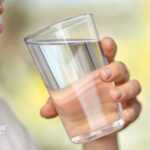
Water is a right that every person has — it is a matter of living and breathing. Uncontaminated water offers hydration as well as many other important health, economic, environmental and social benefits.
Improved Public Health Outcomes
And one of the greatest dividends of a pure water supply is improved public health. By having access to clean water, waterborne diseases like cholera, dysentery and typhoid can be stopped at their source, which quickly can occur in communities where water isn’t available. Infections of other waterborne diseases like skin infections and eye infections are also reduced by clean water.
Having clean water also aids in sanitation, which is a prerequisite for good health. When people have clean water, they wash their hands more often and maintain hygiene, and spread fewer illnesses and infections. This is particularly true of children who are especially susceptible to water-borne illnesses. A better hygienic condition is also likely to lower the incidence of infectious diseases and improve the public health.
Enhanced Economic Development and Poverty Reduction

Clean water is also often the foundation for economic growth and poverty reduction. Water that is clean will boost crop yields, small business and spur new economic activity. Small farmers, for instance, can irrigate their crops with safe water and so reap the rewards of an additional income.
Purified water reduces the cost of water-borne disease, which frees up time and energy for treatment and care. It can drive productivity and growth, particularly in communities that are under-privileged. Water purification can also be a way to increase people and communities’ quality of life, ease the burden of water-related disease, and free up resources for other facets of life: education, employment, and self-improvement.
Environmental Benefits
There are a host of other environmental benefits of a healthy water supply, too. We can use clean water to cut down on water pollution and keep the ecosystems healthy and the biodiversity intact. It can also help save water, cutting down on massive water extraction that can affect river flows and water quality.
Clean water can make for healthy crops that are not dependent on environmentally damaging chemicals and pesticides. This does not only save the planet but also gives the food that’s produced the best possible flavor, both for the farmers and for the consumers. If we mitigate water pollution and manage our water, communities can have their water resources be sustainable in the long term, without depleting the environment and without running out of clean water in future.
Impact on Education and School Attendance
Clean water can affect education and school attendance, too. Children in many villages don’t attend school and — especially girls — haul water from faraway places, meaning they never have a chance of an education. And when children have access to clean water, they go to school more frequently and get a good education that enhances their future and helps build their societies.
It is not only good water but the quality of education that can benefit from it. School can have clean water which can enable hygienic spaces to reduce disease and enhance the learning environment. Better water management can be used to save water and avoid massive water withdrawals that impact the water for other uses such as agriculture and industry.
Promoting Gender Equality and Empowering Women
A clean water source can help ensure gender equality and women’s empowerment, too. Women and girls collect water in a lot of societies – a time-intensive, physically gruelling chore that limits opportunities and gender inequality. Women and girls with clean water have more time for other activities – education and labour – and more time to engage in their communities.
Clean water can also make women and girls healthier and more productive, less prone to waterborne disease, and freeing up time and resources for medical interventions and care. This can contribute to women’s and girls’ aggregate economic, social and political positions by decreasing gender inequality and encouraging gender equality and empowerment.
Clean water can help the family thrive and remain healthy and in shape, decreasing the frequency of water illnesses and hygiene. This can increase family’s standard of living, particularly in communities with high rates of poverty, and set the stage for long-term economic and social progress.
Supporting Food Security and Agriculture
Uncontaminated water can be beneficial for agriculture and food production, too. Water that is clean can enhance agricultural output, leading to more food and fewer hungry people. It can also help promote sustainable agriculture, minimising chemicals for fertilisers and pesticides that are harmful to the environment and the food supply.
Purified water can even be used to increase fishing and aquaculture, generating employment and feeding societies. Communities can become more food-secure and less dependent on food aid and other sources of support if they have clean water. More efficient water management can also be implemented to save water to keep it in place for the long term and maintain communities’ food security.
Investing in Water Infrastructure and Management Systems
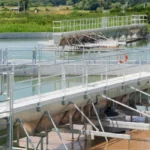
The investments for water infrastructure and water management are very important to maintain a clean and reliable water supply. It refers to investment in water treatment plants, water distribution systems, and water infrastructure. Water management that has been properly managed can lower water pollution, water losses and improve water quality.
Water infrastructure and water management will increase the overall efficiency of water systems, decrease waste water, and make water resources more sustainable. This can ensure that the people who live in them have access to safe water for a long period of economic, social and environmental growth.
The benefits of having a safe and clean water supply are numerous: enhanced public health, economic growth and poverty reduction, environment, education and school attendance, gender equality and empowerment, food security and agriculture, etc. Infrastructure and water management systems are investment necessary for safe and clean water, as well as sustaining the welfare of people and societies.
The Importance of Water Conservation
Saving water will make sure there is always clean water to drink in the future. Including waste reduction, water conservation and water quality management. There are so many simple actions that people and groups can undertake to conserve water: repair leaks, install water-efficient appliances and fixtures, reduce the water used in everyday activities.
Water conservation can also be advocated by local communities in the form of water saving technologies and measures like rainwater harvesting, greywater recycling and smart irrigation. Such technologies do not just eliminate water wastage but also provide better water quality, so that the future generations can drink clean water.
Water conservation is a responsibility for governments and institutions, too. This includes water conservation policies and regulations, investments in water infrastructure and management, and research and development of new water-saving technologies and practices.
The Role of Community Engagement
Community participation is key to clean water supply. This involves bringing people and communities up to speed on water conservation and water quality issues, and empower them to act to maintain and conserve their water supplies.
Water conservation can also be promoted by engaging citizens and communities in water conservation behaviours and technologies, and in the construction of local water systems. This can allow communities to have a say in how water is managed and to be heard.
A clean and healthy water supply offers a multitude of benefits for individuals and societies: better public health, economic growth and poverty alleviation, environment, education and school attendance, gender equality and empowerment, food security and farming, and more. Clean water requires the investment of individuals, communities, governments and organisations as well as the adoption of good water management and the education of people about how to save water. We can all collaborate to make sure that communities will be able to access this resource in the future.
Share this on social media:
Facebook
Twitter
LinkedIn

Related Posts