Overview of Local River Systems
Rivers near Butte La Rose connect various wetlands and channels, creating extensive water corridors. Henderson Lake is a key part of this network, providing essential habitats for wildlife and recreational activities for visitors. The Teche-Vermilion Basins, with detailed measurements, guide water management. These include Streamflow: 1210 ft³/s and a Gage height of 14.29 ft, aiding in protecting communities from rising waters.
Key Geographical Features
The basins boast winding bayous, expansive swamps, and levee systems. Hills, though modest, impact water flow. Henderson Lake’s location next to these features creates a unique blend of shallow marshes and deeper channels.
Natural Influences on Water Flow
Weather, sediment deposits, and tidal shifts impact local waterways. Shallow banks expand rapidly after storms, altering conditions for boating or fishing. Agencies rely on USGS readings to predict sudden changes and safeguard vital habitats.
Spotlight on the Butte La Rose Water Level
Butte La Rose is a place where nature and human activities meet. People closely monitor the water levels here. They do this to understand how changes in the environment affect agriculture, transportation, and safety. The Louisiana Water Levels are key to seeing how communities adjust to environmental shifts.
Water flow can reach over 300 ft³/s. When the gage height hits near 15.84 ft, locals often need to rethink their daily plans. Data from the United States Geological Survey (USGS) shows how rainfall and climate patterns influence planting and development decisions.
Historical Context and Records
Looking back, we see periods of steady water flow and times of sudden spikes. These changes have impacted agriculture, with some years seeing an increase and others a decrease in crops. Droughts have forced the community to find new ways to irrigate their land.
Seasonal Variations
Rainy months lead to higher water flow, while dry seasons bring calm waters. These changes affect fishing and barge schedules. Regular measurements help residents prepare for each season. Each season brings its own set of challenges and opportunities for recreation and flood risk management.
Year | Observed Flow Rate | Gage Height |
1970 | 250 ft³/s | 14.50 ft |
1990 | 300 ft³/s | 15.84 ft |
2010 | 275 ft³/s | 15.20 ft |
Environmental Factors Shaping Levels
Heavy rainfall and strong storms can elevate basin water levels. The movement of sediment near Butte La Rose Boat Landing impacts the Atchafalaya River’s flow and height. Seasons with more rain can saturate the land, causing downstream water levels to rise.
The Louisiana Department of Transportation and Development issues closures to protect the public during extreme water conditions. Dry spells lead to low-water alerts, necessitating temporary shutdowns near the Atchafalaya Welcome Center. Changes in fish populations and water temperature also pose challenges for river users. The Butte La Rose Boat Landing remains a critical spot for local boaters and families. Monitoring these environmental factors is essential to safeguard visitors and preserve natural habitats.
Effects on Nearby Communities
The area around Butte La Rose is significantly affected by water level changes. Families in the vicinity depend on consistent water levels to maintain their way of life. When water levels drop suddenly, it can cause delays at boat ramps, affecting those who love water activities. Streets and homes in low-lying areas may also face disruptions due to strong surges, posing risks to service lines and neighborhood paths.
The Atchafalaya Basin is home to diverse industries like fishing and tourism. The basin’s water flow changes bring both excitement and concerns. Stable water levels are essential for businesses to thrive, while unpredictable surges can cause worry. Some residents keep an eye on weather forecasts and plan their activities during calmer periods. Others invest in raised structures to safeguard their properties, aware that sudden floods can disrupt community life. The Atchafalaya Basin serves as a poignant reminder of nature’s influence on our daily routines.
Trends in Regional Flood Events
Waterways near Henderson Lake experience changes in water levels due to weather patterns. Coastal regions face frequent level changes due to intense rainfall. Historical data, such as a USGS reading of Streamflow: 1950 ft³/s and Gage height: 9.76 ft, indicate a higher risk of flooding.
Common Causes of River Flooding
Heavy tropical rain in late summer often leads to overflowing streams. Rapid snowmelt in northern states also contributes to rising water levels. Tide-driven backwater effects worsen these issues, affecting areas around Henderson Lake.
Current Monitoring and Alerts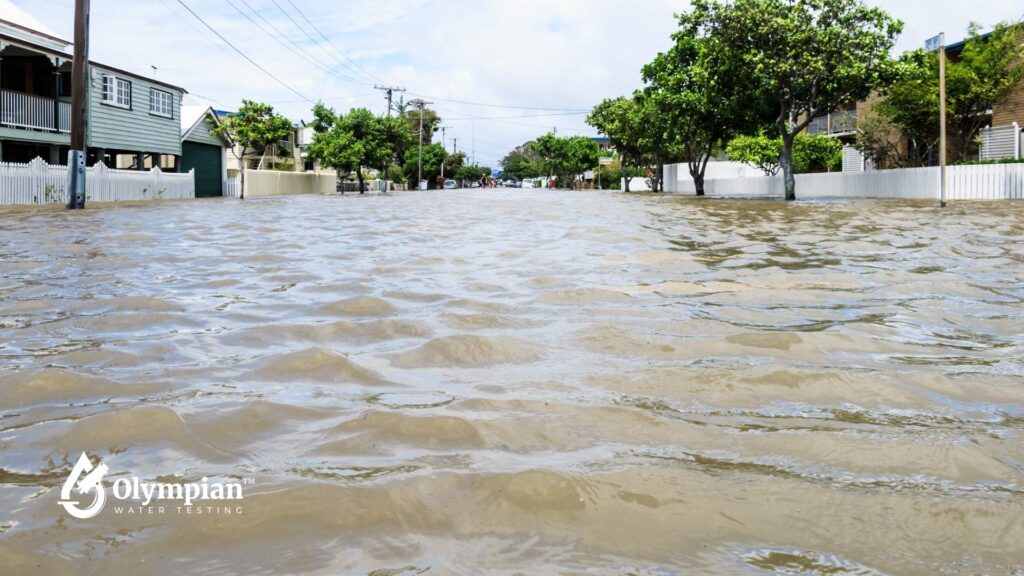
The U.S. Geological Survey and the Louisiana Department of Wildlife and Fisheries monitor water flow. They update data online every few minutes, providing early warnings. Parish officials then issue flood alerts, urging residents to protect their properties.
Long-Term Predictions
Forecasting future floods relies on climate models and historical data. NASA’s Global Flood Monitoring System uses satellite data to enhance predictions. Researchers are also developing new models to improve forecasting accuracy. These efforts help communities near Henderson Lake prepare for future floods more effectively.
Recreational Activities and Safety Precautions
Anglers and paddlers often find inviting conditions around Butte La Rose when streamflow hovers near 300 ft³/s or gage heights stand around 5.37 ft. The Teche-Vermilion Basin supports similar recreational pursuits, with scenic routes for boat tours and a variety of fishing spots. Visitors can experience calm waters that reveal diverse aquatic life and tranquil beauty.
Many outdoor enthusiasts rely on the Louisiana Department of Wildlife and Fisheries (LDWF) for up-to-date regulations. Their guidelines recommend wearing personal flotation devices, verifying all required safety gear, and reviewing official boating rules. LDWF highlights the importance of fire extinguishers, navigation lights, and proper vessel registration.
Checking the latest United States Geological Survey (USGS) readings before heading out can help boaters gauge possible shifts in currents or water depths. Even moderate changes may lead to unexpected debris or partially submerged sandbars. Keeping streamflow data in mind gives travelers extra peace of mind when exploring the Teche-Vermilion Basin or launching from Butte La Rose.
Perspectives from Local Experts
Local biologists from the Louisiana Department of Wildlife and Fisheries observe how changing water levels impact rivers and marshes. These changes affect fish migration and bird habitats. Residents near Butte La Rose Boat Landing rely on timely updates to plan their activities. The recent notice confirmed that the popular ramp is open, allowing visitors to enjoy the water again.
Common Observations
Experts note that drastic fluctuations at Butte La Rose Boat Landing can damage docks and make navigation risky. High levels increase debris flow, while low levels limit boating access. During past drawdowns, closures restricted traffic for weeks, highlighting the importance of awareness in local communities.
Recommendations for Residents
Specialists urge individuals to keep a stocked go-bag and form quick-response plans with neighbors. They stress tracking official bulletins and monitoring any temporary closures that may occur. By joining open discussions and sharing firsthand accounts, families learn to protect their homes and adapt to shifting conditions.
Infrastructure and Planning Initiatives
Efforts are underway to fortify roadways, bolster levees, and enhance boat access. These actions are designed to boost safety and maintain commerce flow across regions connected to the Atchafalaya Basin.
The Louisiana Department of Transportation and Development regularly updates local projects to reflect changing water patterns. Engineers meticulously analyze risks and develop solutions that meet human requirements and protect wildlife.
Experts from the Louisiana Department of Wildlife and Fisheries and the Department of Energy and Natural Resources lead in planning. They aim to safeguard ecosystems while protecting communities from floods. This approach ensures the natural habitats’ cycles are preserved.
- Ongoing research on changing water levels
- Efficient designs for levee maintenance
- Resource sharing among state agencies
Project | Agency | Focus |
Roadway Upgrades | LA Dept. of Transportation and Development | Improved flood resilience |
Levee Reinforcements | Dept. of Energy and Natural Resources | Stronger barriers against high water |
Boat Launch Enhancements | LA Dept. of Wildlife and Fisheries | Safe recreational access |
Community Resources and Collaboration
In many parishes, strong partnerships protect neighborhoods from river changes. The Louisiana Department of Energy and Natural Resources works with nonprofits and local governments. They track Louisiana Water Levels in real time. This effort includes sandbag stations and updates, easing worries during uncertain times.
Community leaders organize events to teach about home and landscape protection. They encourage participation through cleanups and water safety classes. This helps neighbors learn to strengthen barriers or find evacuation routes. Clear communication is key to quick decision-making.
Local Organizations and Their Roles
Parish councils and environmental groups run programs on flood prevention. They provide guides on water dangers and efficient resource use. These efforts keep the focus on continuous monitoring and unity among all parties.
Volunteer Efforts to Aid in Preparedness
Citizen groups distribute emergency kits and share Louisiana Water Levels updates. They reach out to schools and businesses, building networks for quick responses. Their aim is to prevent small issues from becoming big problems.
Organization | Service | Contact |
Atchafalaya Basin Program | Flood Workshops & Basin Maintenance | Official Portal |
Louisiana Department of Energy and Natural Resources | Water Advisories & Data Sharing | Agency Website |
Environmental Nonprofit Coalitions | Community Cleanup & Education | Local Helpline |
Final Reflections on Steady Vigilance
Keeping an eye on the Butte La Rose water level is key for St. Martin Parish’s community readiness. People adjust to the Atchafalaya River’s seasonal changes. They use personal safety measures, like fender bumpers, to safeguard boats from unexpected floods. Water data informs these choices, but remember, official figures are for general information only.
The Louisiana Department of Wildlife and Fisheries now enforces no-wake rules. Local voices, like Stephen Newman, advocate for stricter rules based on river levels to protect personal property. The Louisiana Department of Energy and Natural Resources cautions that staying current with real-time advisories is critical. By listening to local experts and current alerts, residents can navigate the risks of environmental changes.
Safe water use requires heeding health advisories from the Louisiana Department of Health, focusing on Manganese and Sodium levels. Everyone’s role is vital in maintaining water resources through responsible actions and shared knowledge. This collective vigilance ensures the enjoyment of Butte La Rose waterways while safeguarding homes, boats, and natural habitats for the future.
FAQ
How does NOAA contribute to Butte La Rose water level monitoring?
NOAA works with local agencies to collect hydrological data in Butte La Rose and nearby areas. Their weather forecasts and climate models provide insights into weather patterns and storm surges. These factors can influence water table changes.
What is the Army Corps of Engineers’ role in managing water levels near Butte La Rose?
The Army Corps of Engineers manages levees and water control structures around Butte La Rose. Their efforts help reduce flood risks. They also support wetlands preservation to protect local habitats.
Why is wetlands preservation important for the Atchafalaya Basin and Butte La Rose?
Preserving wetlands is vital for maintaining the natural balance of swamps, bayous, and other ecosystems. Healthy wetlands filter water, support wildlife, and lessen flood impacts on communities.
What are Southeastern Louisiana Waterways, and how do they influence Butte La Rose?
Southeastern Louisiana Waterways include key channels connecting the Atchafalaya River to wider ecosystems. Changes in water flow upstream or downstream can impact streamflow and gage height in Butte La Rose.
How does Acadian Heritage connect to local water levels in Butte La Rose?
Acadian Heritage is deeply connected to the region’s culture and history. It includes traditional activities like fishing and boating. Changes in water levels have influenced how communities adapt and preserve their cultural identity.
What does hydrological data reveal about water table fluctuations in Butte La Rose?
Hydrological data from NOAA, USGS, and the Army Corps of Engineers shows the impact of rainfall, tidal effects, and sediment build-up on water tables. This data helps planners prepare for seasonal changes, flooding risks, and navigation concerns.