What Makes Ion Exchange Filtration Unique
Ion exchange water filtration is unique because it selectively replaces unwanted ions with beneficial ones. This creates cleaner water profiles, ideal for sensitive environments. It’s recognized for producing high-purity water, essential for fields like pharmaceutical development and medical research. AXEON’s electrodeionization systems offer chemical-free regeneration, saving time on maintenance and ensuring consistent water quality.
This technology relies on a reversible ion exchange reaction. This ensures longer resin life and lower chemical consumption compared to traditional filters. Industries value its scalable design, adapting to changing production demands without efficiency loss. Homeowners enjoy reduced limescale buildup, extending appliance life and improving performance.
- Improved taste in drinking supplies
- Selective removal of dissolved contaminants
- Enhanced appliance performance and longevity
Key Feature | Benefit |
Customizable Resins | Addresses specific water quality concerns |
Chemical-Free Regeneration | Helps reduce overall operational costs |
High Contaminant Removal | Ensures reliable production of high-purity water |
Ion Exchange Water Filtration
Water treatment uses a charged medium to capture unwanted ions, replacing them with better alternatives. This exchange occurs within specialized resin beads, designed to boost performance. Systems that use ion exchange water filtration turn raw water into cleaner, safer resources. This happens without significant changes to flow or pressure.
Core Principles of Ion Exchange
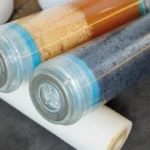
Cation and anion resins are key to resin-based filtering. These polymer beads attract contaminants like calcium or chloride, then release softer or less toxic ions. This process greatly reduces harmful chemicals, improving clarity and taste.
Common Applications in Residential and Commercial Settings
Households use these units to prevent scale damage in pipes, water heaters, and dishwashers. Restaurants and breweries value ion exchange for consistent operation. Medical facilities use it to protect equipment and ensure patient safety.
Ion Type | Resin Used | Outcome |
Calcium (Ca²⁺), Magnesium (Mg²⁺) | Cation Resin | Reduced Hardness |
Nitrates (NO₃⁻), Sulfates (SO₄²⁻) | Anion Resin | Cleaner Taste |
Understanding Different Ion Exchange Resin Types
Ion exchange water filtration is renowned for its ability to remove dissolved ions through controlled chemical processes. It uses specialized resins that swap unwanted particles for more desirable ones. Each resin has its own path to reduce hardness or eliminate impurities, ensuring clean water for homes and businesses.
Cation Resins and Their Effectiveness
Cation resins target positively charged ions like calcium and magnesium. AXEON Water Technologies offers solutions that soften water using strong and weak acid cation resins. This reduces scale in boilers and plumbing. It also improves taste and protects appliances from damage.
Anion Resins and Their Role
Anion resins handle negatively charged substances, including nitrates and sulfates. The Home Depot offers under-sink units for specific household needs, making ion removal easier. Combining anion and cation resins in one system ensures a broader range of ion removal. This approach leads to cleaner drinking water and efficient industrial processes. It highlights the versatility of advanced water technology in addressing various water quality issues.
Key Advantages Over Reverse Osmosis and Carbon Filters
Ion exchange water filtration focuses on the ionic composition of water. This method can outperform reverse osmosis systems and carbon filters in terms of water usage. It also targets the removal of hardness-causing minerals more effectively. Reverse osmosis systems generate more waste due to continuous discharge. Carbon filters improve flavor but may not address every contaminant.
Ion exchange requires precise resin regeneration, which can minimize salt usage. Proper regeneration reduces brine volume. This process can be an environmentally friendly filtration method when modern resins and optimized regeneration strategies are used. Systems from Culligan or Pentair have introduced advanced designs that lower salty discharge, protecting water sources.
Research on brine reuse in ion exchange facilities is ongoing. It aims to tackle sustainability concerns. Investing in these upgrades can lead to cost savings over time. Less water is lost to waste, and overall efficiency improves. Many homeowners and businesses choose ion exchange water filtration for its focused treatment capabilities. It delivers consistent results in tough conditions and offers an environmentally friendly filtration alternative.
Filter Type | Advantages | Drawbacks |
Ion Exchange | Targets hardness minerals, lower waste output | Requires resin upkeep and salt management |
Reverse Osmosis | Removes a wide range of impurities | Produces higher water discharge |
Carbon Filters | Improves taste and odor | May miss certain dissolved ions |
Recommended Uses for Homes and Businesses
Homeowners often look for ways to cut down on scale buildup. Ion exchange water filtration is a solution that removes unwanted minerals. This results in softer clothes and fresher-tasting tap water. Families also experience fewer problems with detergents and soaps, making cleaning easier.
Businesses in various sectors, including food processing, power generation, and pharmaceuticals, depend on consistent water quality. AXEON’s range shows how these systems can grow from small Home Depot models to large setups. This is vital for brewers and medical facilities, ensuring the quality of their products and equipment.
These systems form the basis of industrial water treatment for expanding operations. Their modular design allows for easy adjustments in capacity. This adaptability benefits a wide range of industries across the U.S., ensuring a reliable water supply in any environment.
Essential Installation Tips for Beginners
Setting up an ion exchange water filtration system is relatively simple. Under-sink models from well-known stores come with hoses, resin tanks, and detailed instructions. AXEON also supports commercial setups with flow meters and automated regeneration units. Beginners can benefit from a few key insights.
Tools and Equipment Needed
You’ll need a solid mounting surface, wrenches, Teflon tape, and the right fittings. Make sure the water pressure meets the product’s requirements. Also, choose a resin capacity that effectively removes water contaminants. This ensures leak prevention and optimal performance.
Step-by-Step Implementation Checklist
- Flush pipes to remove sediment
- Prime resins before hooking up the system
- Secure hoses and confirm tight connections
- Monitor the setup for leaks once active
For bigger projects, getting professional help is wise. They can handle advanced flow monitoring and electronic controls. Proper planning leads to long-term contaminant removal and consistent filtration in various settings.
Maintenance and Regeneration Best Practices
Regular upkeep is essential for the longevity and efficiency of ion exchange water filtration systems. AXEON recommends keeping an eye on water conductivity or hardness to check the resin’s condition. Cation resins can last up to ten years with proper care. It’s important to schedule brine treatments and backwashing at the right times.
Signs Your Resin Needs Replacement
- Reduced flow or change in taste
- Heightened water hardness
- Frequent pressure drops or fouling
Scheduling Routine Servicing
Regular maintenance is critical to keep ion exchange resins working at their best. Regenerating with brine every third day helps prevent contamination from substances like tannin or humic acids. A thorough rinse after any cleaning solution is essential for longevity. For precise steps, consider professional help or follow manufacturer guidelines.
Maintenance Task | Recommended Frequency |
Brine Regeneration | Max interval of 3 days |
Resin Replacement | 7–10 years |
Insights on Top Brands for the United States
Many shoppers seek out dependable names for ion exchange water filtration systems. Some prioritize brands with easy installation and strong warranties. Others focus on large-scale performance for demanding applications. The Home Depot offers user-friendly setups from GE, designed to fit under most kitchen sinks. These systems address common household needs.
Industrial and commercial facilities often choose AXEON for advanced water treatment. This includes specialized softening and deionization options. Such solutions are ideal for businesses that manage hard water issues regularly. It’s important to research resin longevity and verify product certifications to ensure the system meets individual needs.
Before making a purchase, comparing service terms and replacement parts can help avoid unexpected costs. Quality brands offer responsive support, making maintenance easier. Each manufacturer strives to provide reliability and peace of mind.
Brand | Key Focus | Typical Setting |
GE | Under-sink home kits | Residential |
AXEON | Large-scale water softening & deionization | Commercial & Industrial |
Addressing Hardness and Specific Contaminants
High levels of calcium, magnesium, and metallic particles can severely impact water quality. This issue prompts many to consider ion exchange water filtration as a viable solution. By removing these elements, the lifespan of appliances like coffee makers, dishwashers, and showerheads is extended. This results in fewer replacements, leading to long-term water savings for households nationwide.
Common Minerals and Metals Removed
Hard water deposits can quickly form in heating elements and pipes, causing mineral scales that reduce efficiency. Ion exchange water filtration effectively targets calcium, magnesium, and trace metals like iron. Solutions from Culligan and Pentair have been proven to dissolve these stubborn deposits, improving flow rates and preserving appliance performance.
Key Benefits for Household Appliances
Limescale buildup can strain hot water heaters and washing machines, increasing energy bills as these appliances work harder. A robust ion exchange water filtration system can prevent this expense. Many families enjoy long-term water savings due to reduced maintenance and more stable operational costs.
Below is a quick reference highlighting common contaminants and associated impacts:
Contaminant | Impact on Appliances | Approximate Removal Level |
Calcium | Clogs heating elements | High |
Magnesium | Increases scale buildup | High |
Iron | Stains surfaces | Moderate |
Budget Considerations for Ion Exchange Systems
Investing in ion exchange water filtration depends on several factors. These include the type of resin, tank size, and automation level. Brands like Culligan and Kinetico offer a range of options, from simple home units to complex systems for larger properties. Under-sink systems are generally cheaper but have lower flow rates compared to industrial setups.
For advanced facilities, costs start around $50,000 for basic production. They can go up to $100,000. More complex designs, requiring greater capacity or specialized technology, can cost between $200,000 and $400,000. Household water purification systems are more affordable. Yet, the total cost includes the cost of salt or chemicals for resin regeneration.
Operational costs vary based on resin quality and disposal fees. Strong Acid Cation products can cost between $40 and $200 per cubic foot. These expenses are offset by longer appliance life and fewer repairs. Improved water quality also enhances daily tasks and business operations.
- Under-sink models: Lower initial price
- Industrial systems: Higher outlay, strong economy of scale
- Resin expenses: Varies by type and brand
- Maintenance: Ongoing costs for regenerant and upkeep
Evaluating Environmental Impact and Sustainability
Modern ion exchange water filtration systems aim to reduce chemical use and brine discharge. They incorporate advanced methods to minimize salt consumption, protecting local water bodies. This shift highlights a growing demand for cleaner processes and responsible resource use.
Eco-Friendly Resin Options
Leading ion exchange brands focus on greener resins that require less regenerant. AXEON leads with electrodeionization, a path to less chemical-intensive treatments. These methods safeguard waterways and enhance efficiency in contaminant removal.
Disposal and Recycling Guidelines
Proper handling of spent resin is critical to prevent soil or groundwater pollution. Disposal guidelines vary by region or federal standards. Facilities and homeowners can:
- Contact environmental agencies for approved disposal methods
- Arrange transport through licensed waste handlers
- Explore recycling programs where available
Feature | Eco-Friendly Resin | Traditional Resin |
Salt Consumption | Low | Moderate to High |
Chemical Discharge | Reduced | Greater |
Long-Term Impact | Less Environmental Strain | Heavier Footprint |
Recommended Checklist for Choosing a Provider
Choosing a provider for ion exchange water filtration requires careful steps. It’s essential to check certifications, brand endorsements, and client testimonials. These confirm a company’s reputation. NSF or WQA seals often indicate proven expertise. AXEON Water Technologies, for instance, offers extensive support, from initial consultation to ongoing upkeep.
- Verify experience with taste issues, scale reduction, or deionization
- Review service contracts and maintenance protocols
- Assess recommended resin types and monitoring equipment
These steps support water quality improvements over time. Requesting references or case studies that match your situation is helpful. A provider with a track record in both large and small-scale projects can adapt solutions to different environments. This checklist simplifies the decision and ensures strong system performance.
Ion Exchange in Specialized Industries
Industrial processes require high purity and reliability. Ion exchange water filtration is a reliable method for removing ions that impact product safety. It meets strict standards without reducing productivity.
Food and Beverage Sector Applications
Brands aim for consistent flavor and texture in their products. They use softened water to achieve uniform taste, protecting their reputation. Ion exchange removes unwanted minerals, improving shelf life and reducing scaling. It ensures water quality meets necessary standards.
Pharmaceutical and Medical Uses
Clinical settings demand precise water conditions for patient safety. AXEON’s deionization systems are favored in labs for ultra-pure water. They support the high sterility and purity needed in pharmaceuticals. Systems that adhere to U.S. water standards ensure compliance and patient safety.
Industry | Key Concern | Ion Exchange Benefit |
Food & Beverage | Flavor Quality | Removes mineral interference |
Pharmaceutical | Extreme Purity | Eliminates dissolved solids |
Common Myths and Misconceptions
Some believe ion exchange water filtration is too costly or that its performance declines rapidly. Yet, high-quality systems debunk these myths, revealing long-term savings and minimal upkeep. This field is constantly evolving, with numerous options promoting sustainable filtration solutions.
Myth: Ion Exchange Is Too Expensive
Many assume the costs are high due to expensive equipment and maintenance. In reality, the costs are offset by fewer plumbing repairs and longer appliance lifespans. The initial investment often leads to significant energy savings and consistent water quality. This makes it a more cost-effective option than constantly fixing untreated water issues.
Myth: Filtration Results Are Temporary
Some worry about a quick decline in performance. Regular resin regeneration ensures sustained efficiency, benefiting both households and businesses. Modern systems, like those from Purolite and Dow, demonstrate how frequent servicing can extend resin capacity and maintain water quality over time.
Myth | Concern | Reality |
High Cost | Too pricey up front | Long-term energy and repair savings offset costs |
Short-Term Results | Benefits fade quickly | Regular regeneration retains filtration power |
Regulations and Water Quality Standards in the United States
EPA guidelines establish strict limits on metals and chemicals in public water supplies. Ion exchange water filtration plays a key role in meeting these standards by focusing on ions and trace elements that pose risks. Experts continually monitor policy changes and adapt their techniques as new contaminants are found.
Advanced resin filtration is essential for both communities and households seeking pure water. They refer to AWWA standards to ensure their equipment meets current best practices. This approach helps maintain water quality and promotes responsible management.
When choosing resin technology, professionals consider three critical factors:
- Compliance with maximum contaminant levels
- Ease of maintenance for sustained performance
- Adaptability to emerging impurities
These criteria enable providers to create effective systems. Keeping up with regulatory updates leads to more effective protection for both people and the environment. This commitment builds public trust and supports the broader goal of protecting vital resources.
The Next Wave of Innovation in Ion Exchange
New advancements in ion exchange water filtration are transforming how we view water purity at home and in industries. AXEON’s electrodeionization (EDI) systems represent a significant leap. They reduce chemical usage and ensure continuous operation. This innovation cuts downtime for resin regeneration, boosting productivity.
Experts are working to improve resin quality and extend its lifespan. They seek eco-friendly materials and designs to lower environmental impact. Next-generation devices will feature advanced sensors for real-time monitoring. This allows operators to address issues before they affect system performance.
Smart automation is set to enhance water quality for appliances and everyday use. Future systems will integrate with home and industrial digital controls. This integration will enable predictive maintenance, saving time and money. These advancements highlight the ongoing innovation in ion exchange.