Addressing the Water Crisis in Papua New Guinea
- Published:
- Updated: December 24, 2024
Listen to this article
Summary
Papua New Guinea is facing a severe water crisis, marked by inadequate access to clean water and the spread of waterborne diseases. Contributing factors include climate change, environmental degradation, and broken infrastructure. Addressing these issues requires a collaborative effort between the government, NGOs, and local communities, with a focus on sustainable solutions such as solar-powered water purification, infrastructure investments, and community education.
- Causes and Impacts: Climate change, environmental degradation, and poor infrastructure exacerbate the water crisis, leading to health problems and economic setbacks.
- Efforts to Address the Crisis: Government reforms, NGO projects, and community-based solutions aim to improve water accessibility and sanitation.
- Sustainable Solutions: Innovations like solar-powered purification, infrastructure investments, and community education are key to long-term water security.

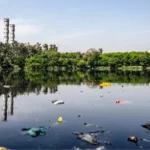
The water crisis in Papua New Guinea is a multifaceted issue affecting millions. Many communities lack access to clean water, creating severe public health challenges. Untreated sources, such as rivers and streams, are heavily relied upon.
Several factors contribute to this crisis. Climate change is altering rainfall patterns, leading to more frequent droughts. Environmental degradation and deforestation exacerbate these problems.
Infrastructure is a major hurdle in PNG. Broken piping and inadequate systems prevent efficient water distribution. The country’s rugged terrain makes building and maintaining infrastructure difficult.
The impact on local communities is profound. Health implications from waterborne diseases are widespread. Education suffers as children miss school due to illness or water-collection duties.
Other impacts include increased burdens on women and children, often responsible for fetching water. Long journeys to water sources cut into time for education and economic activities. This cycle traps many in poverty, highlighting the urgent need for sustainable solutions.
- Lack of access to clean water
- Climate change effects
- Broken infrastructure
- Widespread waterborne diseases
- Burden on women and children
The Human Cost of Water Insecurity
The health effects of contaminated water in Papua New Guinea are alarming. Unsafe water sources expose communities to diseases like cholera and dysentery. These illnesses claim lives and overburden the healthcare system.
Women and children bear the brunt of water insecurity. Women are often tasked with collecting water, a time-consuming job. This responsibility impacts their ability to engage in educational and economic activities.
For children, particularly girls, the water crisis disrupts schooling. Long distances to water sources mean missed school days. This not only affects their education but limits their future opportunities.
The economic impact of water insecurity is broad. Illness and time spent gathering water affect productivity. Families struggle to maintain livelihoods, impacting the country’s economic development. This creates a cycle of poverty that is difficult to break without addressing water access.
Climate Change and Environmental Challenges

Climate change significantly worsens the water crisis in Papua New Guinea. Altered rainfall patterns and frequent droughts strain already limited resources. These climate shifts make water sources unreliable and inconsistent.
Environmental degradation further compounds the issue. Deforestation and habitat destruction contribute to the decline in water quality. These activities decrease the land’s ability to absorb and filter rainwater.
The combined effects of climate change and environmental degradation lead to reduced water availability. Communities that depend on natural water sources face heightened challenges. Addressing these environmental issues is crucial for sustainable water management in Papua New Guinea.
Efforts to Address the Crisis
Efforts to address the Papua New Guinea water crisis involve multiple stakeholders. The government has recognized the issue’s severity and developed specific policies. These initiatives aim to improve infrastructure and water accessibility.
International aid plays a critical role in providing support. Organizations such as non-governmental organizations (NGOs) actively contribute. They bring resources and technical expertise to implement effective water solutions.
Numerous community-based solutions have emerged as well. These initiatives focus on involving local communities in water management. By empowering residents, these programs ensure a sense of ownership and responsibility.
Some success stories demonstrate the power of grassroots efforts. For example, rainwater harvesting systems installed by local groups have improved water security. Community education on water conservation has also yielded positive results.
Efforts to address the crisis vary in scale and scope. They include:
- Governmental reforms and infrastructure investments
- NGO projects focusing on sustainable solutions
- Local initiatives emphasizing community involvement
These diverse approaches highlight the importance of collaboration. The combined efforts of government, NGOs, and local communities are essential. Together, they can create sustainable and long-lasting water solutions.
Sustainable Solutions and Innovations
Advancements in water purification technology offer promising solutions to the crisis. Innovative methods, such as solar-powered water treatment, are increasingly utilized. These technologies provide clean water in areas lacking access to traditional infrastructure.
Developing and maintaining infrastructure is crucial for lasting improvements. Investments in wells, piping, and sanitation facilities remain a top priority. Proper maintenance ensures these systems continue to function effectively over time.
Education and community engagement play vital roles in achieving sustainability. By educating communities about water conservation, awareness grows. This understanding empowers individuals to adopt practices that promote water efficiency.
Community involvement forms the backbone of successful projects. Residents, when engaged, help shape and support initiatives. This local participation strengthens project outcomes and fosters a sense of responsibility.
Key sustainable solutions include:
- Solar-powered water purification systems
- Infrastructure investments in water supply and sanitation
- Community education programs on water management
Through these efforts, sustainable solutions can be realized. Embracing innovation and fostering community collaboration paves the way for a brighter future in water security.
The Path Forward: Strategies for Long-Term Improvement
Integrated water resource management is essential for enduring water security. By coordinating water use across different sectors, efficiency can improve. This approach ensures that water resources are allocated sustainably and equitably.
Financial investment is crucial to developing water infrastructure. Access to funding allows for the construction and rehabilitation of essential facilities. Securing financing through diverse means, such as public-private partnerships, is key.
Resilience building is vital as communities face evolving challenges. Climate change demands adaptable strategies to cope with shifting conditions. Implementing disaster risk reduction measures further strengthens community resilience.
Adapting to future challenges involves embracing innovation and flexibility. Introducing renewable energy solutions into water projects can have vast benefits. This approach not only meets current needs but also anticipates future demands.
In pursuing these strategies, Papua New Guinea can achieve sustainable water security. Focusing on resource management, investment, and resilience fosters long-term improvement. Adopting these strategies provides a solid foundation for overcoming the water crisis.
Conclusion
The water crisis in Papua New Guinea demands urgent attention and action. It presents significant health, economic, and social challenges. Addressing this crisis is vital for the well-being of its citizens and environmental sustainability.
Collaboration is key to finding effective solutions. Global and local stakeholders must unite to implement sustainable strategies. Engaging communities, governments, and international partners is crucial for a lasting impact. By working together, we can secure a healthier, safer future for everyone affected by this crisis.
Share this on social media:
Facebook
Twitter
LinkedIn

Related Posts