Addressing the Challenges and Embracing Solutions for NYC Water Quality
- Published:
- Updated: February 17, 2025
Listen to this article
Summary
New York City faces water quality challenges stemming from aging infrastructure, pollution, and climate change, impacting its extensive municipal water system. Despite these challenges, many misconceptions persist, leading to numerous myths about New York City’s water. For instance, some believe that the city’s tap water is unsafe to drink, when in fact it consistently meets rigorous safety standards. Additionally, others claim that the taste of NYC water is solely due to its source, overlooking the dedicated treatment processes that ensure its quality and palatability before it reaches residents. Moreover, ongoing efforts to upgrade and maintain the water infrastructure are crucial for ensuring long-term sustainability and safety. The combination of natural filtration through the city’s reservoirs and state-of-the-art treatment facilities plays a vital role in contributing to New York City water quality. Public awareness and education about these aspects can help dispel myths and reinforce the reputation of NYC’s water as one of the best in the country.
- Infrastructure Aging: Aging structures pose risks of leaks and contamination.
- Urban Runoff and CSOs: Runoff and sewer overflows contribute pollutants to water bodies.
- Industrial Pollution: Chemical runoff and waste discharge from industries degrade water quality.

New York City (NYC): Water quality is frequently a front-runner in sustainability and health issues in urban sprawl. Even though NYC is blessed with a good water supply, the water quality is not always in place.
The city of New York has one of the largest municipal water networks in the world, with a population of more than nine million people. It’s fed by a vast system of reservoirs, aqueducts and tunnels, delivering over a billion gallons of water a day. But the size and sophistication of this system are themselves problems.
The water that feeds the city originates in a watershed of more than 2,000 square miles, which extends far beyond the city. This water catchment area is a massive system to sustain and manage health, which must be continuously monitored and planned.
What are the current challenges affecting the water quality in New York City (NYC)?
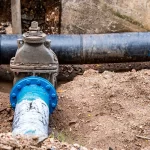
There are a few issues with NYC’s water supply right now. Ageing infrastructure is a problem, some systems are more than 100 years old. These older buildings are easily leaking and breaking and can leach contaminants into the water.
Then there’s the contamination from all angles and climate change. In cases like this, increased rains as a result of climate change can overflow the city’s sewerage system and pollute waterways.
Impact of Urban Runoff and Combined Sewer Overflows (CSOs)

City runoff and CSOs are the two big threats to NYC’s water supply. In a rainfall, water that doesn’t go downhill is runoff that carries oil, chemicals and trash along the surface of the city. The run-off often flows into the city’s watercourse, and these contaminants with it.
Likewise, NYC’s shared sewer system can get so full when the rains pour down hard that untreated sewage and rainwater run off directly into its rivers and creeks. These CSOs are especially polluting and one of the primary targets for NYC’s water quality management initiatives.
The Role of Industrial and Commercial Pollutants in NYC’s Water Quality
NYC has a lot of industrial and commercial water pollution. Chemical effluent from factories, trash discharge from retail outlets, pollutants from construction sites – all can spill contaminants into the city’s waterways.
Managing these contaminants and enforcement of environmental regulations is a perpetual headache for city officials. But it’s an important part of NYC’s plan to make water cleaner.
What are some innovative approaches to improving water quality?
NYC has a number of different innovative ways of doing better with water. These range from water testing NYC to water treatment systems with more filter and harmful chemicals removed from the water.
Besides, the city is looking at smart water systems that combine data and automation to streamline water treatment, distribution and consumption. These technologies could enable the city to better react to water quality variations and control its water supply.
The Power of Green Infrastructure for Water Management
NYC’s water is a clean and sustainable resource that Green infrastructure can provide. They’re nature-like solutions that can cut back on urban runoff, purify pollutants and help counteract CSOs.
Examples of green infrastructure include:
Green roofs: Green roofs made from vegetation that soak up the rain and keep water from draining into your home.
Rain gardens: Plants planted to intercept and store stormwater and sequester the pollutants.
Permeable pavements: Rainwater will seep into the soil, preventing runoff and resupplying groundwater.
There are so many positive outcomes to these green infrastructure solutions, ranging from better water quality, urban biodiversity and increased resilience of the city to climate change.
Community Engagement and Education for Better Water Quality
New York’s water quality can be made better by local participation and education. Water conservation, proper waste management and knowledge of water quality are actions that communities can do a lot to improve.
There are programs and activities in NYC that help communities connect to water. Such events as street clean-ups, for instance, help clear water bodies of rubbish, and school-based lessons on water management and pollution prevention educate children.
Also, citizen science initiatives encourage people to track the local water and report any issues, so as to feel empowered and responsible for the city’s water.
Policy Recommendations for Future Water Quality Improvement
In the future, there are some policies and initiatives to make NYC’s water even better. For one, higher investments in infrastructure improvements and repairs can avoid leaks and overflows that affect water quality.
Second, better monitoring and regulation for industrial and commercial pollutants can reduce the levels of pollutants entering the waterways of the city. This might include sterner punishment for violations and rewards for companies for cleaner and more sustainable behaviours.
Third, green infrastructure across the city could improve the city’s adaptation to climate change, curb urban runoff and have many other co-benefits, like cleaner air and cooling the city.
Share this on social media:
Facebook
Twitter
LinkedIn
Next Article:

Related Posts