A Journey through the Evolution of Water Purification Techniques
- Published:
- Updated: January 6, 2025
Listen to this article
Summary
Water purification has evolved over centuries to combat contamination and ensure safe drinking water.
- Ancient civilizations used methods like boiling, filtration, chlorination, and sun exposure.
- Modern techniques include reverse osmosis, chlorination, ultraviolet light, and distillation.
- Challenges include access to clean water, cost, and ongoing maintenance, but future advancements offer hope for improved purification methods.

Water is one of life’s most crucial, but also one of its most perilous. Unsafe water causes disease and death, particularly in the developing world. In the centuries since, humans have found all kinds of ways to clean water to be drinkable, edible and so forth.
What are the ancient methods of water purification?
The history of water purification can be traced back to ancient civilizations, where the need for clean drinking water was crucial. The ancient Greeks, Romans, and Egyptians all developed various methods to purify water. Here are some of the most common methods used by ancient civilizations:
- Boiling: Boiling was one of the earliest methods used to purify water. By heating water to its boiling point, harmful bacteria and other contaminants were killed, making it safe for drinking.
- Filtration: Filtration was also a common method used by ancient civilizations. Sand, gravel, and charcoal were used to filter out impurities, making the water safer to drink.
- Chlorination: The ancient Egyptians used a form of chlorination to purify water. By adding chemicalssuch as alum to water, harmful contaminants were neutralized, making it safe for drinking.
- Sun Exposure: The ancient Greeks used sun exposure as a method of purifying water. By leaving water in a container in the sun, harmful bacteria and other contaminants were destroyed, making it safe for drinking.
These methods were effective in purifying water, but they were not foolproof. Contaminated water was still a major source of disease and death, and more advanced methods were needed to ensure the safety of drinking water.
What are the modern methods of water purification?

In the 19th and 20th centuries, advances in science and technology led to the development of more advanced methods of water purification. Here are some of the most common methods used today:
- Reverse Osmosis: Reverse osmosis is a process in which water is forced through a semi-permeable membrane, removing impurities. This method is commonly used in households and industry to purify water.
- Chlorination: Chlorination is still a common method used to purify water. By adding chlorine to water, harmful bacteria and other contaminants are neutralized, making it safe for drinking.
- Ultraviolet Light: Ultraviolet (UV) light is used to purify water by killing harmful bacteria and other contaminants. UV light is a more advanced form of chlorination, and is becoming increasingly popular for water purification.
- Distillation: Distillation is a process in which water is heated to its boiling point, and the steam is captured and condensed back into water. This process removes impurities, making the water safe for drinking.
These modern methods have greatly improved the safety of drinking water, but they are not without their drawbacks. For example, reverse osmosis can be expensive and requires a lot of energy. Chlorination can produce harmful by-products, and distillation is not effective in removing certain types of contaminants. Despite these drawbacks, modern methods have greatly reduced the incidence of waterborne diseases and have made safe drinking water available to millions of people around the world.
The Importance of Water Purification
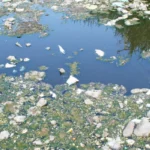
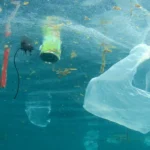
The importance of water purification cannot be overstated. Clean drinking water is essential for good health, and contaminated water is a major source of disease and death, especially in developing countries. Waterborne diseases, such as cholera, typhoid, and dysentery, can spread rapidly in areas where water is not properly purified. In addition to health concerns, contaminated water can also have serious environmental impacts, contaminating soil and affecting wildlife.
To ensure the safety of drinking water, it is essential to properly purify water before it is consumed. This can be done through various methods, including boiling, filtration, chlorination, and ultraviolet light. The choice of method will depend on the specific needs of each community, taking into account factors such as cost, availability of resources, and the type of contaminants present in the water. Regardless of the method used, the goal of water purification is to provide clean, safe drinking water to everyone, everywhere.
The Future of Water Purification
With the planet’s population increasing, there will never be a better time for good water. Science and technology will only lead to new and better forms of water purification. Here are some of the future domains that may evolve:
Nanotechnology: Nanotechnology is the science of very small particles and their usage. In the future, nanotechnology could also enable the fabrication of powerful water-purification units that were both energy efficient and economically feasible.
Smart Water Purification: Smart water purification system is the one thing that is likely to get popular in the near future. These will also use sensors and other technologies to track water quality in real-time and dynamically adjust the filtration process as necessary.
Energy from Other Sources: Renewable energy sources like solar energy would be more utilized to power the water purification systems in the future. This will decrease the price and the environmental footprint of water purification.
Better Filtration: The better and better filters are on the horizon. These processes will be better at removing a greater spectrum of contaminants, which will keep water safe for consumption and more.
The water purification future is bright and all signs are that better, new water-purification methods will emerge. So we’ll be able to have fresh drinking water, everywhere.
The Challenges of Water Purification
The purification of water is a prerequisite to health, but it is not always simple. Clean water is the single biggest obstacle. In many developing countries, the water treatment systems are just not there. It can mean that no water except contaminated water is available for drinking, and waterborne diseases can be transmitted.
The second problem is water treatment cost. Advanced technologies like reverse osmosis and ultraviolet light are expensive and don’t always come at affordable prices for communities. Moreover, it is also costly to operate and repair water purification system especially in remote places.
When you are looking for water testing laboratories near me that are accessible and trusted, look no further than Olympian Water TestingTM. Our lab is equipped with state of the art equipment to get your water samples tested accurately. Count on us for water testing service that is quick and efficient.
Share this on social media:
Facebook
Twitter
LinkedIn

Related Posts