

Understanding pH Levels in NYC’s Drinking Water
- Published:
- Updated: January 16, 2025
Listen to this article
Summary
Understanding the pH levels in NYC’s drinking water is crucial for health and infrastructure.
- pH impacts taste and pipe corrosion.
- NYC sources its water from Catskill, Delaware, and Croton reservoirs.
- Both federal and state regulations ensure water quality and safety.

New York City’s water isn’t just complex in its path from fountain to faucet. A major part of making sure it is safe and delicious is pH – a number on a scale from 0 to 14 that tells us how acidic or basic (alkaline) the water is. pH must be balanced because this is both a factor of taste as well as our body’s capacity to take up the water. It also helps maintain corrosion in the city’s vast network of pipes so that it is a constant, clean supply. That equilibrium is the result of the city’s careless authorities in supplying water to the city.
The Science of pH: Not Just a Number
It’s not a guess, pH: it’s a measure of water quality. pH" means "potential of hydrogen" and it calculates the level of hydrogen ions in water. pH equals 7 (neutral), 0 (acid) and 1, so above 7.
The pH scale doesn’t just influence the taste of the water, but also how corrosive it is. The pH below 4.5, for example, rusts metal pipes, putting dangerous contaminants such as lead in the water supply. Conversely, if the pH is too high, water becomes sour and can lead to other problems. That being said, when we talk about pH, we’re talking about something that’s absolutely crucial to the health and flavor of your water.
New York City’s Water Sources: Where the Journey Begins

pH is not a fluke number: it’s the gold standard of water quality. The quantity "pH" means "potential of hydrogen," and measures the amount of hydrogen ions in water. It has the pH of 7 or more: any pH less than that will be acidic and any pH greater than that will be alkaline.
pH scale does not only determine the taste of water but also how corrosive it is. The pH of low levels, for example, can rust metal pipes and leach toxic chemicals such as lead into the water. High pH, meanwhile, can make water taste sour and can be health hazard. So when we’re talking about pH, we’re talking about a factor that is critical to the safety and taste of your drinking water.
From Reservoir to Tap: The Path of NYC's Drinking Water
pH isn’t just a random number; it’s a critical indicator of water quality. The term "pH" stands for "potential of hydrogen," and it measures the concentration of hydrogen ions in water. A pH level of 7 is neutral, anything below 7 is considered acidic, and anything above is alkaline.
The pH scale affects not just the taste of the water but also its corrosive nature. For instance, low pH levels can corrode metal pipes, releasing harmful substances like lead into the water supply. On the other hand, high pH levels can cause water to taste bitter and may pose other health risks. So, when we talk about pH, we’re discussing a factor that plays an essential role in both the safety and flavor of your drinking water.
Federal and State Regulations: The Safety Net
pH isn’t just a random number; it’s a critical indicator of water quality. The term "pH" stands for "potential of hydrogen," and it measures the concentration of hydrogen ions in water. A pH level of 7 is neutral, anything below 7 is considered acidic, and anything above is alkaline.
The pH scale affects not just the taste of the water but also its corrosive nature. For instance, low pH levels can corrode metal pipes, releasing harmful substances like lead into the water supply. On the other hand, high pH levels can cause water to taste bitter and may pose other health risks. So, when we talk about pH, we’re discussing a factor that plays an essential role in both the safety and flavor of your drinking water.
NYC’s Track Record: How We Fare
According to annual water quality reports, New York City consistently meets, and often exceeds, both federal and state water quality standards, including those related to pH. This is an encouraging sign of the effectiveness of the city’s water treatment processes and regulatory oversight.
That said, it’s essential to note that pH levels can vary slightly due to natural factors like rainfall and temperature. Therefore, it’s crucial for both the authorities and consumers to continually monitor water quality to ensure it remains within the safe and acceptable range.
Why pH Matters: Health and Safety Implications
Water with a low pH level is acidic and can be corrosive. This corrosive nature can eat away at pipes and fixtures, which is a significant concern for older homes that might have lead or copper pipes. This corrosion can lead to the leaching of metals into the drinking water, posing a direct health risk.
Conversely, water with a high pH level can make the water taste bitter or soapy. Although this is generally less dangerous than low pH levels, extremely high pH can be a breeding ground for bacteria, as disinfectants like chlorine become less effective. Thus, maintaining an optimal pH level is vital for both taste and safety.
At-Home Testing: Know Your H2O
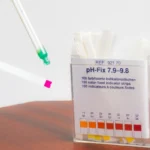
If you’re concerned about the pH levels in your tap water, there are various at-home testing kits available on the market. These DIY kits are generally straightforward to use and can give you immediate results.
How often should you test? It depends on various factors:
- If you’ve recently experienced plumbing issues
- If your water starts tasting or smelling different
- If there’s been a change in the color of your water
- If your area has experienced significant weather events like flooding
Expert Insights: Interviews with NYC Water Quality Specialists
We interviewed some of those on the ground — NYC water quality professionals included — to hear their take on maintaining the same pH. The water quality in New York, such experts remind us, is typically very good but there are instances when precipitation or drought may knock pH levels back up for a while.
They advise that as well as being tested by the government on a regular basis, consumers should be proactive such as purchasing water filters and reporting any change in water quality to the relevant agencies.
What You Can Do: Proactive Steps for Quality Assurance
Becoming proactive about your tap water can save you hundreds of dollars in repairs. Here are a few things you can do:
Putting in a pH-adjusting water filter.
Look for the city’s annual water quality reports next year.
Notifying the authorities if your tap water tastes, smells or looks different overnight.
In addition to being on top of this, by doing your part in keeping the city’s water quality high, you can help keep it that way.
The Role of Environmental Factors in pH Variations
In NYC, seasonality, rain, pollution can all affect pH in the water. If it rains a lot, runoff might bring organics and contaminants that lower or raise the pH level of the water. This is what you need to keep an eye on and modify your water treatment so that you can stay at the pH you want and get safe water.
Conclusion: pH Levels in NYC's Drinking Water
Conclusion: pH is an important determinant of water quality for both health and infrastructure in New York City. By understanding what affects pH, following regulations, and taking proactive steps, the city can maintain a safe and reliable water supply. These standards rely on ongoing monitoring and professional water testing services, ensuring the community’s access to high-quality water.
Share this on social media:
Facebook
Twitter
LinkedIn

Related Posts



Manage Consent
We use cookies to enhance your experience, analyze site traffic, and serve personalized content. By clicking "Accept All", you consent to our use of cookies. You can manage your preferences or read more in our Privacy Policy.
Your privacy matters – and we’re here to honor it.
Functional Always active
The technical storage or access is strictly necessary for the legitimate purpose of enabling the use of a specific service explicitly requested by the subscriber or user, or for the sole purpose of carrying out the transmission of a communication over an electronic communications network.
Preferences
The technical storage or access is necessary for the legitimate purpose of storing preferences that are not requested by the subscriber or user.
Statistics
The technical storage or access that is used exclusively for statistical purposes. The technical storage or access that is used exclusively for anonymous statistical purposes. Without a subpoena, voluntary compliance on the part of your Internet Service Provider, or additional records from a third party, information stored or retrieved for this purpose alone cannot usually be used to identify you.
Marketing
The technical storage or access is required to create user profiles to send advertising, or to track the user on a website or across several websites for similar marketing purposes.
Confused and Need Help?