What NYC Residents Need to Know about Lead Contamination
- Published:
- Updated: December 16, 2024
Listen to this article
Summary
New York City residents should be aware of lead contamination risks. Key points include:
- Lead contamination sources include old paint, water pipes, and industrial pollutants.
- Exposure can lead to severe health issues, especially in children and pregnant women.
- NYC implements regulations, testing, and remediation efforts, but residents should also take proactive steps to protect themselves.

New York City, the land of the old buildings and history, gives its citizens a life full of energy. But this history is not without challenges. One that is often underappreciated is lead contamination, a silent problem with fatal health effects.
The Origins of Lead Contamination in NYC
Lead was an active component of many materials because it was versatile and cheap in the past. Older structures are painted with lead and this is one of the largest sources of contamination in the city. Before anyone realised the risks, many houses, especially before 1978, had been painted with this dangerous coating. That’s bad news because lead paint erodes over time and releases toxins that pollute the air and floors.
It’s not just New York’s vast water infrastructure that’s on the attack. Many old pipes in the city’s water supply were lead. There have been some major replacements over the years, but traces of these pipes may continue to contaminate water. The NYC industrial history also means that factories, once the heart of the economy, left contaminant behind and it’s adding to the lead contamination problem.
The Health Implications of Lead Exposure

Intensely damaging to health when lead enters the human body. The health effects of lead, even at very low exposure levels, affect nearly every organ and system of the body. Exposure prolonged leads to hypertension, heart disease, kidney failure and even reduced fertility.
The most susceptible population to lead exposure is children and pregnant women. Children’s forming brains and bodies are particularly prone to the lead-induced harm, which can include learning disabilities, behavioural problems and stunted development. Pregnant women exposed to lead have a greater chance of developing problems at birth, including premature birth and developmental problems in their children.
Signs and Symptoms of Lead Poisoning
It is difficult to determine what lead poisoning is, since there are so many different ways that it can show up. You may have physical symptoms such as fatigue, headaches, abdominal discomfort, loss of memory and mood problems. As children, cognitive and behavioural signs could be stronger. This could be anything from academic underachievement to behavioral disturbances such as irritability or sluggishness.
Since these symptoms can be so quiet, you have to be on your guard and call the doctor if you suspect lead exposure (especially in children). You can diagnose lead poisoning with the best blood tests. If in doubt, always be safe and see a healthcare provider.
NYC's Response to Lead Contamination
New York City has issued many regulation policies and policing measures in response to the lead epidemic over the years. And the city has been working to ensure it’s safer for residents — lead paint bans on buildings are one of the big decisions that took place. More recently, the "Lead Free NYC" program is evidence that the city is taking measures to eliminate lead-based risks.
This mission is made easier by landlords. It is up to them to make their properties lead-free, especially if they have property where children under six live. There are harsh regulations, with severe penalties and legal action waiting for those who do not observe.
Testing for Lead in Your Home
We all in NYC should heed the message that we need to have lead tested in our own homes. In the paint that’s chipping away at your walls, or the water that’s running from your faucets, lead is harmful.
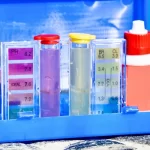
DIY kits: You can find DIY kits in most hardware stores that will provide an initial clue about the lead. However, accuracy can vary.
Testing at a professional lab: More accurate, using professionals who can test paint, dust, and water for lead.
Interpreting the results: Don’t forget, no amount of lead is considered ‘safe.’ Know what results mean and be safe.
Mitigating the Risks: Steps You Can Take
When it comes to old houses, it is very important to do all renovations or repairs with lead safety in mind. If you are planning to do any of these, only engage contractors who have become lead-safe certified. They’ll make sure any paint scratches won’t be lead dust.
Water is another possible lead contaminant. Flushing out taps every few hours (if left open for a couple of hours) also decreases lead levels. If you buy certified water filters that target lead, this also protects against lead-contaminated water. A healthy diet high in calcium and iron can even inhibit the human body from absorption of lead.
Navigating Legal Aspects and Residents' Rights
New York City has strong lead laws defending its citizens from the lead. These laws make landlords and owners accountable, so they can provide a safe dwelling place. And, if you suspect or find lead in your apartment building, you have the right to ask them to do something about it.
Not to mention, there are a couple resources for the victims. There are institutions and city agencies that can help, from testing and remediation to justice assistance in the court of law. Being proactive and on the ball is how to protect yourself and your family.
Success Stories: NYC's Fight Against Lead
While this has been hard, there are also plenty of victory stories in NYC’s lead fight. Local areas where lead contamination had risen in recent years have been transformed through joint work among residents, government agencies and other organisations. "Healthy Homes" and programs like it have been integral in reaching out to people, educating them, and giving them resources to turn their homes lead free.
Organisations such as the New York League of Conservation Voters and WE ACT for Environmental Justice have both lobbied, enlightened and lobbied for lead-free NYC. They’re a tireless force and, coupled with effective governance, they show us that, given the will, a healthier, safer world can be created.
Share this on social media:
Facebook
Twitter
LinkedIn

Related Posts