Lead in Drinking Water: The Invisible Enemy in Staten Island
- Published:
- Updated: December 30, 2024
Listen to this article
Summary
Lead contamination in Staten Island’s drinking water presents a significant public health concern, with outdated infrastructure and high lead levels threatening residents’ well-being. Key points include:
- Sources and Entry of Lead: Lead, a toxic heavy metal, enters the water supply through corroded pipes and fixtures, particularly in older buildings lacking modern infrastructure.
- Vulnerability of Staten Island: The island’s aging infrastructure exacerbates lead contamination, making it more vulnerable compared to other boroughs in New York City.
- Alarming Lead Levels: Multiple studies have revealed lead concentrations exceeding safe thresholds, posing immediate health risks, especially for children.

For the public health officials who deal in drinking water quality, lead is long past due – but for Staten Islanders, it’s a threat in the faucet. Even in one of the world’s largest cities, they are breathing dangerous amounts of lead every day – some not even aware that they are. Not only is this crisis health-related but it also threatens the future of our children.
The Science Behind Lead Contamination
What is lead and where does it come from? Lead is a heavy metal that is found naturally in the Earth’s crust but, because of human action, is a poisonous invader of our water supply. Mining, factories, even pipes in our houses, can all leave lead in our water.
What happens to lead in our drinking water? Normally lead leaches into the water from rusted pipes, solder and lead-filled fixtures. This over time can lead to a poisonous water system, especially in older houses and communities where the infrastructure has not changed.
The Historical Context of Lead in Staten Island
A harbinger of past infrastructure choices. Staten Island water testing system, like most of it, is outdated and has corrosion-resistant materials in it. The systems are often from a past when the corrosive impact of lead was either poorly understood or misunderstood.
How staten island is the most at risk. The Staten Island geography, combined with old infrastructure, makes the island a stormy location for lead contamination. There are many old buildings and water pipes still in place on the island, but they have been not recently modernised, leaving them prone to lead rust and contamination.
Current Lead Levels: An Alarming Reality

Recent studies and their findings. Studies have also reported that the water in Staten Island is higher in lead than in other boroughs in New York City. In 2020, for example, the report found that some neighbourhoods had "safe" levels of lead set by health authorities.
Relatives with safe levels of lead established by the government. EPA says that public water systems must have no lead levels above 15 parts per billion (ppb). But water from many Staten Island communities has come back containing more than this, and there are public health risks to it.
Government Regulations and Their Shortcomings
Lead in water: US EPA rules. The Environmental Protection Agency (EPA) has regulations and standards such as the Lead and Copper Rule, to limit lead and copper in drinking water. But these regulations are not always completely safe.
Schallows and ruses that don’t work for Staten Island. The problem, of course, is that rules are usually based on mean levels of lead, which can hide localised spikes in contamination. Furthermore, testing and remediation is usually the responsibility of homeowners, not the authorities, putting low-income citizens at risk.
Health Impacts: More Than Just Numbers
Lead poisoning and children: A coming educational disaster. Concentrations of lead are especially harmful to children and lead to development problems, learning disorders and behavioural problems. School on Staten Island could be in educational crisis if it is not solved immediately.
Long-term health consequences for adults. And it’s not only children who are at risk from lead contamination. Adults whose bodies have been poisoned with high levels of lead develop cardiovascular problems, diminished fertility and dementia. The collective effect is great and should be addressed right away.
What You Can Do: Taking Matters into Your Own Hands
Best Home Filters. Not all filters out lead from your water are created equal when it comes to lead filtering. To be even more safe, think about filters that are NSF/ANSI Standard 53 certified for lead absorption.
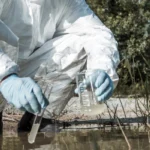
Where to test water for lead. Here are some ways you can test for lead in your tap water if you’re worried about it:
DIY Test Kits: Easy to find, but not always accurate.
Professional Water Testing Services: More accurate results but costlier.
Free Testing: There are a few free testing organizations in your city (in some of the most vulnerable areas).
Alternatives to Tap Water: Are They Really Safer?
The pros and cons of bottled water. While bottled water is often considered a safer alternative, it is not without its drawbacks. Aside from being expensive and environmentally unfriendly, there is no guarantee that bottled water is completely free from contaminants.
The truth about “lead-free” pipes. Many people invest in lead-free pipes as a long-term solution, but it’s important to note that "lead-free" does not necessarily mean "lead-zero." Regulations allow these pipes to contain up to 0.25% lead, which, over time, could still pose a risk.
What Local Government Is (or Isn't) Doing About It
Existing mitigation efforts. Cities and municipalities have already done things such as putting new pipelines in and organizing awareness campaigns. But they tend to be narrow and are not the solution to the problem.
Why these attempts fail. Despite these efforts, there aren’t comprehensive approaches to address the lead problem from every vantage point, from infrastructure replacement to local education and targeted action.
Share this on social media:
Facebook
Twitter
LinkedIn
Next Article:

Related Posts