...

Demystifying the Presence of Chloramines in NYC's Tap Water

Summary

Tap water in NYC contains chloramines, a disinfectant used to make it safe for daily use. Here’s what you need to know:

  • Science Behind Chloramines: Chloramines, a mix of ammonia and chlorine, offer longer-lasting disinfection.
  • NYC’s Choice: Chloramines replace chlorine due to reduced by-product formation and extended disinfection.
  • Safety Measures: Federal laws regulate chloramine levels, ensuring tap water’s safety.
chlorine in nyc tap water illustration

You probably brush your teeth, drink coffee or water your plants every morning, with the water you have from the tap. 

The Science of Disinfecting Water


Is There Chlorine in NYC Tap Water?

chlorine in nyc tap water

Yes, chlorine is present in NYC tap water, primarily as a disinfectant to ensure the water is safe for consumption. Chlorine is used in the water treatment process to kill harmful bacteria, viruses, and other pathogens that might be present in the water supply. The levels of chlorine in NYC tap water are closely regulated, with the typical chlorine residual ranging from 0.5 to 1.3 mg/L, well within the federally mandated safety limit of 4 mg/L. While chlorine is essential for maintaining water safety, it is typically replaced with chloramines in NYC’s water distribution system for longer-lasting disinfection, as chloramines produce fewer harmful by-products compared to chlorine.

Chloramine And Water Additive Safety Parameters

Parameter Range Average Maximum Allowable Level Notes
Chloride (mg/L) 10 – 71 19 250 Naturally occurring; road salt
Chlorine Residual, Free (mg/L) ND – 1.3 0.5 4 (3) Water additive for disinfection
  • Chloride levels range from 10 – 71 mg/L, with an average of 19 mg/L. The maximum allowable level for chloride is 250 mg/L. Chlorides are naturally occurring but can increase due to road salt.
  • Chlorine Residual ranges from ND (Not Detected) to 1.3 mg/L, with an average of 0.5 mg/L. The maximum allowable level is 4 mg/L (with a typical level of 3 mg/L). Chlorine residual is essential for disinfection purposes to ensure safe water delivery.

Filtration and Removal of Chloramines

Chloramines, while effective as a disinfectant, are not always desirable in tap water, particularly for those with sensitive skin or specific health concerns. Fortunately, there are various filtration methods available that can effectively remove chloramines from water. Below is an overview of some common options and the associated benefits of using these filtration systems to reduce chloramine levels in your water supply.

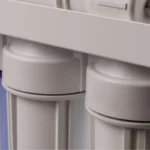
  • Chloramine-Removing Filters: Filtration systems designed specifically to remove chloramines, such as catalytic carbon filters, are highly effective. These filters can reduce chloramine levels by 90-99%, making them an excellent choice for households or businesses looking to eliminate chloramines from their water. These systems are capable of adsorbing chloramines through a chemical reaction, thus ensuring that your water is free of this disinfectant.

Filtration and Removal of Chloramines

  • Boiling Water: Contrary to popular belief, boiling water is not effective at removing chloramines. Boiling may only remove chlorine but does not have the same effect on chloramines. For chloramine removal, more specialized filtration techniques are necessary.

  • Costs and Maintenance: While effective, chloramine removal systems can be expensive, with installation costs ranging from $100 to $500 depending on the size of the system and the type of filtration. In addition, regular maintenance and filter replacements are required to maintain optimal performance, which adds to the long-term costs.

By understanding the filtration options available, you can choose the right method to reduce chloramine levels in your water and improve its quality for drinking, bathing, and other household uses.

Myths and Facts: The Controversy Unveiled

Chloramines have stirred some public debate, mainly due to misunderstandings or misinformation. Here are some common myths and facts:

  • Myth 1: Chloramines are more harmful than chlorine
    • Fact: Both are approved disinfectants with a strong safety record when used in regulated amounts.
  • Myth 2: Chloramines cause skin irritation
    • Fact: For the vast majority, chloramines at the levels used in tap water do not cause skin irritation.
  • Myth 3: Chloramines are bad for pets and plants
    • Fact: Pets, like humans, are generally unaffected. Special filters can be used for fish tanks.

Understanding the facts helps in forming an educated opinion about chloramines, as opposed to relying on myths or hearsay.

Chloramines and Your Health

Chloramines and Your Health

How to Deal with Chloramines ain NYC Home


  • Public Awareness: Surveys conducted by the New York City Department of Environmental Protection (DEP) indicate that 70% of New Yorkers are unaware that chloramines are used in the city’s tap water, underscoring the need for increased public education on the subject.
  • Public Concerns: Around 15% of NYC residents express concerns over the possible health effects of chloramines, particularly in relation to skin irritation and the health of pets and plants. Despite these concerns, health professionals and experts confirm that chloramine levels in the city’s water are well within safe limits.

Conclusion: Demystifying Chloramines in NYC's Tap Water

NYC’s water treatment involves chloramines, which provide long-lasting disinfection and reduced harmful by-products. While safe for the majority of residents, professional water testing can help identify if chloramines are affecting water quality. Recognizing their function and managing them in the right way, including filtering for sensitive uses, keeps tap water safe and good for future use. Constant surveillance and ensuring that safety measures are followed help maintain public confidence in the water supply.

Think Your Tap Water is Unsafe? Test It Today!

If you’re concerned about chloramines or any other contaminants in your tap water, the best way to ensure its safety is through professional water testing. Don’t take chances with your health—accurate testing will help you understand exactly what’s in your water and ensure it’s safe for you and your family.

Share this on social media:

Facebook
Twitter
LinkedIn