Cyanide in Drinking Water: Regulatory Guidelines and Standards
- Published:
- Updated: November 29, 2024
Listen to this article
Summary
Cyanide contamination in drinking water poses significant health risks, necessitating robust regulatory guidelines and standards. Explore its sources, health impacts, detection methods, and treatment options to ensure safe water for all.
- Cyanide, from both natural and industrial sources, threatens water quality and public health.
- Accurate detection methods, though challenging, are crucial for monitoring cyanide levels.
- Regulatory standards vary globally, emphasizing the need for localized solutions within an international framework.

In our city and society, drinking water is essential to public health and healthy communities. As the world has industrialised, so too have worries about pollutants reaching our drinking water supplies. In the thousands of possible contaminants, one that has stood out from the crowd has been cyanide.
Understanding Cyanide: A Primer
Cyanide is a mixture of carbon and nitrogen. Most familiarly, you’ll find it in the lethal version, in ancient gold-mining or even as a poison. But there are also variants of cyanide, hydrogen cyanide (a gas) and salts such as sodium and potassium cyanide. It is introduced into the environment from both natural sources (in the form of some bacterial processes and the destruction of some plants) and from industrial sources (through industrial processes).
Although cyanide is sometimes linked to malicious intent because it is poisonous, its industrial uses are vast. Cyanide was used in a lot of ways, from the plating of metals to the manufacture of synthetic materials. But the wrong handling of these processes or accidental discharges will end up polluting our most precious resource – water.
How Does Cyanide Enter Our Water Supplies?

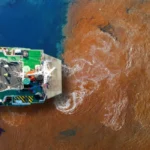
It’s possible to pollute water in so many different ways and for cyanide, the most likely sources are industrial runoff and sewage. These locations can leach cyanide into the ground or nearby rivers, which can also flow into larger bodies of water if they’re not well managed. In heavily mining areas, for example, tailings dams pumped toxic substances such as cyanide into water bodies.
As well as these immediate contaminations, cyanide can leach into our water by settling from the ground in areas where cyanide pesticides or herbicides are applied. Astral deposition – cyanide particles in the air settling on water bodies – is another source, but less prominently. These multiple routes are signs of the nexus of water management and the vulnerability of contamination.
Potential Health Impacts of Cyanide Consumption
Taking in cyanide-rich water is dangerous at the moment. Insomnia, headaches, shallow breathing, and in extreme cases unconsciousness are the common acute symptoms. Exposure to it, even in trace amounts, can have devastating consequences, from thyroid problems to brain and reproductive defects.
These health effects may sound like big deal, but keep in mind that the impact varies tremendously with the level and length of exposure. Drinking water with small amounts of cyanide, for instance, once in a while may not be that dangerous. But regular intake from a polluted source in the long term could have ill-effects. It reminds us that water should be tested and strictly enforced.
Measuring Cyanide in Water: Techniques and Challenges
There’s no easy way to find and measure cyanide in water. It is screened by several methods – chemical and instrumental. Some of these include:
Colorimetry: based on colour variation of specific chemical reactions.
Titration: A procedure in which a known solution is taken and its concentration of cyanide is measured.
Methods using instruments: With instruments such as Ion Selective Electrodes or Gas Chromatographs.
These techniques can identify cyanide, but the problems are complex. These tests need to be perfectly valid. A false negative might be to miss a potentially toxic concentration, and a false positive an unwarranted alarm. Plus, there are a lot of other chemicals in the water or the water pH which can throw off the test results.
Global Regulatory Landscape: A Comparative Analysis
As for cyanide standards in drinking water, they can vary from one country to another. The World Health Organization (WHO), for example, defines the recommended value according to the risk of thyroid enlargement after long-term exposure to cyanide. In the US, however, contaminant levels are maximum, set by the EPA based on detailed risk assessments.
While the EU Drinking Water Directive serves as the template in Europe, individual countries can have their own based on local conditions. Some places in Romania, for instance, where, after the Baia Mare cyanide spill in 2000, more controls were in place to prevent this kind of environmental disaster. These disparate criteria reinforce the imperative of local solutions, but they do adhere to international principles.
Setting Safe Limits: The Science Behind the Standards
Setting sensible cyanide thresholds for water supplies is a fine art. It’s about trying to work out how the chemical acts in the body, and what the health effects are. For regulation, the chemical’s toxicological information is taken into account, acute and chronic effects included, and the susceptibility of individual populations such as children or the elderly.
Another important determinant is frequency and exposure time. Taking a smidgen of cyanide a single time is one thing, but drinking water in ever-tiny doses can be multiplied. So regulation usually adds in a safety margin so that if everyone took the "norm allowed" dose of cyanide per day, no one would die.
Treatment Methods: Removing Cyanide from Drinking Water
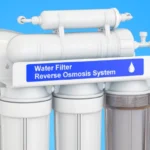
If we do end up with cyanide in our tap water, that is not the end of the story. It can be effectively minimized or completely eliminated through a number of technology – both conventional and new. The oxidation reaction is one way to do this, in which chemicals such as chlorine or ozone are used to convert cyanide into harmless materials. Another is activated carbon that sucks up cyanide, which evaporates out of the water.
But as with all approaches, they are not without difficulties. Treatment may be effective only in certain conditions of the water to be treated. Costs are a problem too, especially when you do it on a large scale or in a place where you don’t have lots of resources. In either case, it is important to monitor the water continuously after treatment so that it does not end up in the water.
Prevention Over Cure: Minimizing Cyanide Contamination
Treatment is needed but a better long-term solution is reducing contamination at the source. There are best-practices that can be implemented by industries to avoid cyanide spillage including better storage, regular inspection of equipment and training of workers on handling cyanide safely. There’s also the proper waste disposal, so cyanide waste doesn’t settle to the ground.
Local societies and governments are essential, too. Communities can influence industries to do safer things by staying abreast of local industries and pressing for strict regulations. It is this type of partnership between industry, community and regulators that is going to keep our water free from dangerous chemicals such as cyanide.
Share this on social media:
Facebook
Twitter
LinkedIn

Related Posts