Overview of Kansas City’s Water Supply
Kansas City’s water source, the Missouri River water source, has deep historical roots. It reflects a profound connection to the local waterways. Today, the city’s infrastructure can handle up to 100 million gallons daily. This meets the needs of over half a million residents. People often look into the complete guide to Kansas City water to grasp how river conditions affect their drinking water.
The Kansas City drinking water history shows a consistent pattern of upgrades. This ensures every neighborhood gets reliable service. Groundwater wells, which recharge from the Missouri River, supply about one-fifth of the water. This strategy diversifies the water sources, protecting against droughts or seasonal fluctuations.
- Extensive water utility infrastructure includes inspection teams and pipe networks.
- Regular testing confirms citywide compliance with federal standards.
- Surface water blends with well water to maintain supply durability.
Efforts by KC Water and its partners aim to protect public health and future water needs. These actions create a reliable system that residents can count on all year.
Factors Influencing Water Quality
Fluctuating river currents, older pipes, and strong temperature swings can impact tap water’s taste, color, and smell. Residents might detect musty odors or earthy flavors in warmer months. KC Water closely monitors these factors to ensure drinking water remains safe.
Local Water Treatment Processes
Effective water treatment in Kansas City starts with screening the Missouri River’s flow. Sedimentation tanks remove heavy particles, while disinfection with chlorine targets harmful bacteria. Filtration further refines clarity, and final pH adjustments protect pipes. Each step ensures a steady supply, masking shifts in river conditions or rising temperatures.
Distribution Infrastructure
City pipelines carry treated water to homes, but distribution system upkeep is critical for reliable service. Rusty discoloration can occur in older lines or during sudden flow shifts. Understanding water hardness helps residents address mineral buildup that may impact appliances. Routine checks and pipe replacements safeguard tap quality, limiting common concerns like earthy tastes or unexpected odors.
Regulations Governing Drinking Water in Kansas City
Kansas City adheres to the Safe Drinking Water Act to safeguard public health. Local utilities follow EPA guidelines, ensuring they adhere to legal limits for contaminants. The Missouri Department of Natural Resources monitors drinking water compliance, focusing on treatment and distribution systems.
Independent groups, such as the Environmental Working Group (EWG), advocate for stricter limits. They point to concerns over chromium-6, TTHMs, and HAA9. Despite this, Kansas City exceeds federal standards, showing a commitment to water quality.
The city’s annual water quality reports detail test results and compliance with standards. These reports are critical for residents, building trust in tap water. City officials publish these findings to meet transparency goals and reassure households. Ongoing assessments track contaminants that could impact taste or long-term health. As water science evolves, laws and guidelines adapt.
Why Is Tap Water in Kansas City a Topic of Concern?
Many people question the purity of Kansas City’s tap water, citing concerns about contaminants exceeding Environmental Working Group guidelines. These worries often stem from the presence of lead in old household pipes. There are also rumors about the Missouri River’s condition affecting the water quality.
Some individuals express concerns over unexpected changes in the taste or color of the tap water. City officials aim to alleviate these fears by releasing detailed water quality reports. These reports outline the treatment and testing processes. By reviewing these reports, homeowners can gain confidence in their drinking water.
Common Myths and Facts
Several myths surround the local water supply, often attributing problems to city services when they are actually caused by private plumbing issues. Misconceptions about safe drinking water often arise from a misunderstanding of minor chemical traces during purification. Fortunately, most tests show that the water meets federal standards.
It is essential to stay informed about public data and plumbing maintenance. This knowledge empowers individuals to make informed decisions about their hydration needs.
Possible Contaminants to Look Out For
Water quality can change when contaminants enter the supply. Some contaminants are obvious, while others are hidden. It’s important to be aware of the risks, such as aging pipes or industrial runoff.
Lead and Other Heavy Metals
Older water service lines can release lead in drinking water if corrosion is not managed. This is a big issue in homes with pipes installed decades ago. There’s also a risk of heavy metals in Missouri River affecting the water’s safety. Regular testing and proper filtration can help mitigate these risks.
Microbial Presence
Treatment plants use chlorination to protect against pathogens in tap water. But, breaks in water mains or extreme weather can lead to boil water advisories. Homeowners should follow the guidelines and flush their plumbing to reduce risks. 
Contaminant | Potential Source | Possible Action |
Lead | Old Household Pipes | Check with Certified Lab |
Heavy Metals | Missouri River Runoff | Use Filters or Filtration Systems |
Microbial Matter | Breaks in Water Mains | Boil Water Advisory |
Evaluating Health Risks
When we look at TTHMs, HAA5, HAA9, or chromium-6 in our water, concerns grow. Independent tests show levels above EWG contaminant limits. This calls for heightened awareness, urging those concerned to take action. Families with young children, in particular, should consider steps to protect them, following public health guidelines.
Health experts warn of potentially cancer-causing chemicals in water. Yet, Kansas City’s water meets EPA standards. Some opt for at-home filters, feeling safer with their own water purification.
- Evaluate how much water is consumed daily, specially for infants or elderly relatives.
- Consider the material of household pipes, which might affect contamination levels.
- Stay informed about official updates on city water quality.
Each person must weigh these factors to make informed decisions. Making choices based on knowledge can balance daily needs with peace of mind.
Signs of Safe vs. Unsafe Drinking Water
Many people rely on simple observations to gauge if their tap water is safe. A quick glance can help spot issues, yet a closer look at subtle details provides a better view of possible risks. Even small differences in taste or appearance can be meaningful.
Taste and Odor Indicators
A brief taste test for tap water may reveal metallic notes or an unusual smell. An earthy aroma does not always spell danger, though a pungent scent might hint at a deeper problem. Some detect a lingering chlorine flavor, which is often a sign of disinfection. Strong or chemical-like scents could signal the need for professional testing. Occasional complaints about odor in Kansas City water often arise when river conditions change.
Color and Clarity
Brown or orange streaks may require a rusty water caution, specially when pipes or fixtures are old. Cloudiness may come from trapped air and tends to clear up within a few moments. Consistent discoloration could signal underlying corrosion that calls for attention. Clear, sparkling water usually indicates normal conditions and fewer concerns.
Simple Home Testing Methods
Many residents rely on KC Water’s thorough checks, yet adding an extra layer of confidence is beneficial. Simple steps like using pH indicators and test strips can quickly reveal issues. This approach allows homeowners to check their tap water purity without needing special training.
Experts advise on DIY water testing for any unusual taste or smell. It provides peace of mind and allows for quick action if contaminants are found. Over-the-counter home water test kits are straightforward to use. They measure important elements like total dissolved solids, hardness, and lead. Some kits can detect microbial presence in minutes.
For detailed data, certified lab analysis is recommended. Local authorities suggest following official guidelines for collecting samples. A balanced approach involves initial home testing, followed by lab analysis if concerns remain. This ensures a clear understanding of what’s in household pipes.
Filtration and Purification Options
Many households seek dependable water filtration systems to address taste concerns or reduce unwanted elements. This approach can improve peace of mind when questions arise about local drinking water quality. Consumers often choose among two leading methods, each with its own benefits.
Carbon Filters
Brands like Brita use activated carbon technology to trap chlorine and certain organic substances. These filters often fit into pitchers or attach to faucets. Routine replacements are key to preserving efficiency and keeping water tasting fresh. A basic pitcher filter set usually costs between $20 and $40, with new filter inserts purchased on a monthly or bi-monthly schedule.
Reverse Osmosis Systems
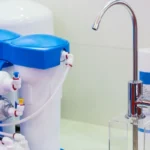
Some rely on reverse osmosis benefits for a deeper level of filtration. Systems from APEC or Home Master remove nitrates, heavy metals, and dissolved solids. A unit can be installed under a sink and may produce some wastewater. A valuable resource on local water topics is found at this official site, which explains ongoing efforts to reassure residents.
System Type | Main Advantage | Approximate Cost | Maintenance Needs |
Carbon Filter | Enhances taste | $20-$40 base set | Replace cartridge monthly |
Reverse Osmosis | High-level contaminant removal | $150-$500 | Filter changes every 6-12 months |
Cost-Effective Solutions for Better Water Quality
Many households seek fresh water without breaking the bank. Inexpensive water improvements, such as carbon filters or softeners, can limit mineral build-up. This reduces unpleasant tastes and odors in the water.
Some residents opt for devices from brands like Brita or Culligan. These devices help control mineral deposits and improve taste. Regular maintenance of older pipes and fixtures also helps. It prevents rust and keeps the water clear.
Bottled Water vs. Tap
Purchasing multiple single-use bottles can lead to significant plastic waste. Installing a filtration system at home is often a safer and more eco-friendly option. It provides clean drinking water without the environmental impact of bottled water.
Whether you prefer bottled water or tap, filters are a cost-effective solution. They help reduce waste while ensuring your water is safe to drink.
Household Maintenance Tips
Simple home plumbing upkeep is essential. Flushing faucets and servicing water heaters regularly is a good start. Quick checks can help detect leaks or corrosion early on.
Running taps briefly can clear out stagnant water. This minimizes metal exposure and supports healthier daily use. Regular maintenance is key to keeping your water system in top condition.
Ways Local Authorities Maintain Water Safety
Local officials prioritize water quality in public health efforts. They implement KC Water initiatives to update treatment plants and inspect distribution lines. Regular testing helps identify irregularities, averting major contamination incidents.
Teams swiftly repair main breaks when pressure falls. Boil water advisories are issued to alert residents of possible risks. Field specialists verify the presence of harmful bacteria, guided by data from the Missouri Department of Natural Resources. Upgrades to infrastructure also reduce lead exposure in service lines.
Improving real-time monitoring tools is a key strategy. These tools track pressure and chemical levels, enabling rapid responses to hazards. Utility emergency measures are activated when water pressure or quality drops, providing clear guidance to communities.
Public trust grows with collaboration among key agencies. The Kansas City Board of Public Utilities works in tandem with state regulations, notifying neighborhoods of possible issues. This transparent approach fosters trust, ensuring water safety for families, schools, and businesses.
Action | Purpose |
Routine Testing | Detects contaminants early |
Immediate Repairs | Ensures stable pressure |
Public Notices | Informs about possible hazards |
Key Takeaway on Drinking Water in Kansas City
The tap water in this region is thoroughly tested and meets federal standards. Local facilities employ effective treatment methods to remove contaminants. This ensures residents can use the water without worry.
Some people choose to install filters for extra protection against heavy metals. A simple test kit can also help identify minor issues at home. These steps are practical for those seeking a drinking water safety overview.
Many find reassurance in these final thoughts on KC tap water. Yet, it’s important to maintain household plumbing and replace old pipes. With proper care, the city’s water supply remains a reliable choice. This is the Kansas City water conclusion for those curious about quality and peace of mind.