Ammonia in Brooklyn's Drinking Water: A Closer Look
- Published:
- Updated: November 29, 2024
Listen to this article
Summary
If you live in Brooklyn and drink tap water, be aware: ammonia might be lurking. Here’s why it matters:
- Ammonia, found in tap water, poses health risks from minor irritations to severe problems, especially for vulnerable groups.
- Sources include both natural factors like soil leaching and man-made contributors such as industrial runoff.
- While Brooklyn meets EPA standards, continuous monitoring and stricter guidelines are essential for safety assurance.

For those of you in Brooklyn who take their water from the tap, you might as well eat. But your crystal-clear water might not have what you’re after: ammonia. You might think of ammonia as something you use in household cleaning solutions, but it’s also very harmful in water supply.
What is Ammonia and Why Should You Care?
Ammonia is nitrogen-Hydrogen hydride, NH3. It’s naturally occurring in the environment, but applied in industrial settings and not one you want to have concentrated in your water. If ammonia is produced for fertilizers and cleaning agents, water isn’t a lightly used ingredient.
Consuming drinking water with ammonia can be unhealthy when left unchecked for long periods of time. These can be as minor as a sore throat to as serious as digestive disorders. For the most vulnerable – infants, the elderly – the danger might be greater.
The Sources of Ammonia in Drinking Water

Ammonia is leached into water through natural processes – ie, from soil erosion and organic material breakdown. These natural sources do, however, generally leave rather little ammonia behind. The majority of healthy ecosystems will filter out these low levels on their own, and there’s little threat to the water we drink.
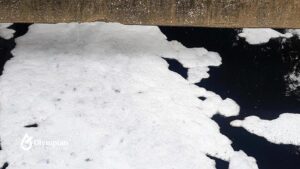
Factories are a bigger issue. Industries such as manufacturing and agriculture also have a great deal to do with water ammonia. Even the water that Brooklyn gets can be salined by runoff from farms using ammonia fertilisers or industrial effluents.
Regulatory Standards for Ammonia Levels
Ammonia in drinking water – The Environmental Protection Agency (EPA) determines the regulation. They also regulate them to prevent the general public from breathing in unsafe amounts of ammonia and other pollutants. But even then these criteria can sometimes be met to maintain varying amounts of contaminants such as ammonia.
In contrast, Brooklyn water testing is generally as good or better than the EPA. But given the health hazards of prolonged exposure to ammonia, that would not be the end of the road for complying with minimum regulatory requirements. The locals must demand monitoring constantly and more rigid rules for safety.
Testing Your Water: How To Know What You’re Drinking
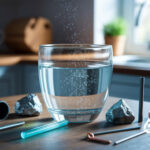
You don’t have to be a water professional to test your tap water at home. Kits to test water at home are available at every corner, and a fast and easy way to know what’s in your water. These kits include pH testers, but also more sophisticated kit-type kits for testing for all sorts of chemicals such as ammonia.
It’s best to hire a professional to do your water tests to know more about your water quality. Such companies use cutting edge technologies to analyze your water in detail, identifying not just ammonia but any other contaminants as well.
Real-Life Cases: Stories from Brooklyn Residents
And there are Brooklynites who have been symptomatic, who blame their water supply. Stories about minor illnesses, such as chronic sore throats, to serious illness, such as digestive issues. The precise causality for these health problems cannot be easily determined but anecdotal reports concern.
Community organizations in some neighbourhoods have become a bit of a rebel, hosting local water-testing events and campaigning for improved water quality. This is a grassroots movement that shows that citizens care and want to be part of it, but it also reveals the city-wide problems in need of comprehensive systemic solutions.
Alternatives to Tap Water: Safe Drinking Options
If you’re anxious about ammonia in your tap water, there are solutions. Bottled water is a no-brainer, but with environmental and financial costs of its own. The plastics and cost add up, eventually.
Filtering water is another answer. They can be hooked up to your tap or operated as separate systems. They come in different varieties:
Carbon filters: Ideal for chlorine and sediment but not so well with ammonia.
Reverse osmosis systems: Great but costly.
Distillation: Works well but takes energy.
Government Response and Action Plans
Water quality has also been stepped up by government departments in Brooklyn, which had to cope with ammonia. The projects have been everything from improved water-treatment to water-safety education for the public. But some will say that these are the reactionary steps, not the forward-looking ones.
We as residents should be keeping up-to-date and insisting on stronger prevention-oriented action plans. The monitoring should be regular, and the outcomes shared in open fashion so the public is not taken for granted.
What Can You Do As A Resident?
To be aware is the first step. If you want to be sure you’re not getting ammonia and other contaminants in your water, you need to make sure you’re informed of local water quality reports. These are usually yearly and are available on the internet or at local authorities.
If you want to do more, then take up community water quality activities. Go to community meetings, sign petitions, and get to know other residents like you. Collective action – your voice can go a long way in convincing leaders to take action.
Innovative Solutions for Ammonia Removal
Advanced technologies for treating drinking water for ammonia contamination are being built. Biological filters, which use bacteria to break down ammonia into harmless nitrogen molecules, promise much. Catalytic reactions involving special materials also help break down ammonia more rapidly. These breakthrough technologies can be used in addition to existing water treatment systems for enhanced protection from ammonia and other pollutants.
Conclusion: Ensuring Safe Drinking Water in Brooklyn
Overall, the Brooklyn tap water mostly meets EPA guidelines but ammonia remains a red flag to be on the lookout and act fast. Learn about the sources and hazards of ammonia, test your water and find a new source of drinking water are all things residents should do. We can demand continual monitoring, more regulations and more sophisticated treatment technologies, and then Brooklyn can offer a cleaner water to all.
Share this on social media:
Facebook
Twitter
LinkedIn
Next Article:

Related Posts