New York School Drinking Water Lead Testing: A Model for Other States
- Published:
- Updated: January 2, 2025
Listen to this article
Summary
New York’s lead testing program sets a standard for protecting children’s health:
- Understanding the Issue: Lead contamination in school drinking water poses serious health risks, prompting New York’s proactive response.
- Comprehensive Testing Approach: Mandatory testing in all schools, swift action upon detection of elevated lead levels, and community involvement ensure timely remediation.
- Lessons Learned and Future Steps: New York’s model emphasizes the importance of transparency, research, and expanding regulations, offering a blueprint for other states to follow.

Drinking water is a human right, and for our schools it is one of the most important things we can do for our children. This said, lead contamination in school water is a nightmare problem in the US. In the interim, New York has done an amazing job of tackling this issue, and is perhaps a model other states could take up.
Understanding the Problem of Lead in School Drinking Water
The lead in school water is a real issue as it can be so damaging to children’s health. Kids who are exposed to lead develop disorders such as cognitive impairment, developmental delays, and other physical diseases.
Unfortunately, the plumbing in a lot of school buildings, especially older buildings, is lead. That metal might get drained away into the water and end up in the taps our children drink from. Because New York recognizes how serious the problem is, they have created a model to combat it head-on.
New York Response to Lead Contamination

New York’s response to lead contamination in school drinking water has been a proactive one. The state was the first in the country to require school water testing for lead. It’s legislation passed in 2016 that mandates that every school tests annually and sets out the process for corrective action when lead levels are higher than the safe level.
On top of this law, New York also invests in remedying problems when they occur. That includes teaching schools how to change out faulty plumbing and fixtures, and helping schools secure funds to do so.
What is the process of lead testing in New York schools?
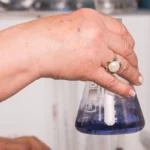
New York tests school water for lead, one by one. Every source of drinking water in a school – fountains, sinks – is tested. The water gets squirted and analyzed by a state licensed water testing laboratory.
If lead levels are high, the school must stop using that water as soon as possible. In the meantime, until the source is remedied or pumped out, the school has another source of clean drinking water. This rapid and focused response protects the students and staff.
Outcomes and Impact of New York's Lead Testing Program
New York’s water testing services lead program has been a game-changer for water safety in New York’s schools. Taurus of schools have been sampled and where issues have been identified, corrective action has been implemented quickly.
The testing and remediation fees have definitely risen due to this rigorous programme, but these are insignificant when compared to the gains. They are taking the health and safety of New York’s children seriously and the relief that has brought to parents and school communities is immeasurable.
The Role of Parents, Teachers, and Students in New York's Model
Parents, teachers and students have all had a hand in New York’s lead testing model. In most schools, early testing has come from parental objections and teachers have fought for the necessary remediation.
Students, too, have contributed significantly. The older students themselves have commanded efforts to publicise the issue, and several have appeared at state and local water safety meetings. Involving the entire school community hasn’t just kept the model in line but has made the population a more informed, active, and informed one.
Lessons Learned from New York's Approach
We can learn a few things from New York’s lead testing in school water. Especially the requirement of mandatory testing in all schools, at all ages, in every place is a lesson. That’s why you don’t want to underestimate the lead risk.
It is also reinforced in the New York model by the urgency of taking action when excessive lead is detected. Delaying contaminated source use and allowing drinking water quality testing to be performed by another provider immediately protects students and staff. What’s more, you need to be able to get the funds for remediation to do the right things and ensure clean water.
Applicability of New York's Model in Other States
New York’s approach could be a model for other states in the face of school drinking water contamination by lead. The particular issues and conditions of each state are different, but the basic ideas of New York’s solution (forced testing, rapid response, community involvement) are similar.
But for the program to be effective, other states will need to adapt this model to local needs, resources and law. But New York’s founding principles — being proactive, testing and getting things right, and doing it right — are good foundations upon which they can rest their own schemes.
Next Steps in Protecting Our Children's Health
In the future, we must still put school drinking water safety front and center. As a follow-on from New York’s model, a few possible futures:
Extending Policy: Expand lead testing policy to other education institutions like daycares and private schools.
Positive Research: Encourage further studies of long-term lead exposure in children and best practices for cleanup.
Increased Transparency: Make lead testing results available and transparent to all parties, so the school community will have trust and participate.
New York’s model for drinking water lead testing offers a tried and true method for preventing lead in school systems around the country. It is a testimony that we can, with hard work, hard work and public engagement, provide safe drinking water for all our students and safeguard their health and future.
Share this on social media:
Facebook
Twitter
LinkedIn