Hidden Gems of North Vietnam's Water Sources
- Published:
- Updated: November 29, 2024
Listen to this article
Summary
Embark on a journey to discover the hidden freshwater gems of North Vietnam:
- Ba Be Lake: Vietnam’s largest freshwater lake nestled amidst lush mountains, offering a serene retreat and cultural insights.
- Ban Gioc Waterfall: Majestic cascades on the Vietnam-China border, blending natural splendor with intriguing geology.
- The Red River: Northern Vietnam’s lifeline, sustaining agriculture, economy, and cultural heritage.

North Vietnam has many tourist attractions, but a world of secret treasures can be found in the waters of the country as well beyond popular sites. From peaceful brooks that flow through green jungle to secret waterfalls that fall into crystal pools, these natural gems give us a glimpse into the region’s unspoiled beauty. These are all secrets for the explorer to get out of the rat race and just feel the wild peace of North Vietnam’s seaside.
Ba Be Lake: A Majestic Freshwater Lake in Bac Kan Province
Ba Be Lake – The lily in the middle of mountain and green forest, Bac Kan province. It’s Vietnam’s biggest natural freshwater lake and a biodiverse hotspot with a variety of fish, birds and wildlife. With its blue water catching all the shades of its surroundings, Ba Be Lake is a living painting.
In addition to being picturesque, Ba Be Lake has cultural importance as well. The Tay people live near this lake and have many myths and stories around it. ‘The local community is in the lake and the relationship between people and their planet is inspiring.
Ban Gioc Waterfall: The Jewel on the Border
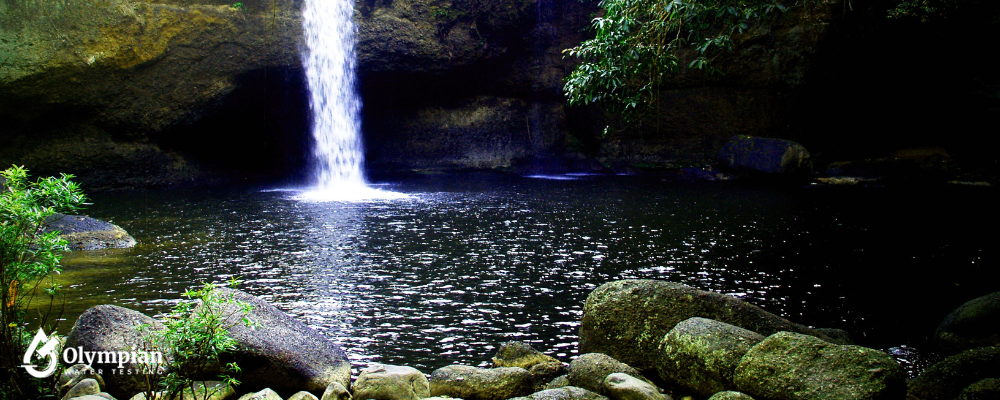
Ban Gioc Waterfall is a real treat, tumbling majestically over the Vietnam-China border. The mighty flow and greenery of the environs make the waterfall a sight to be seen, and you won’t forget it. It’s little wonder it’s one of the best waterfalls in Southeast Asia.
But there is a geological story about the waterfall too. It’s the result of centuries of river action and erosion of limestone, the interminable tug-of-war between time and the might of nature. All this raw nature paired with intriguing geology makes Ban Gioc Waterfall a must-see water source in North Vietnam.
What role does the Red River play as the lifeline of Northern Vietnam?
The Red River (for its blackened silt) is indeed the lifeblood of Northern Vietnam. It is a river, an earwitness to hundreds of years of human activity, and its lifeblood is the agricultural and economic production of the area. Its basin is a kitchen sink where crops feed millions.
But the Red River is more historical and cultural than just agro-economic. Historic sites dot its banks, and the river is celebrated in festivals. So the Red River is both water and thread through which life, history and culture flow in North Vietnam.
Ha Long Bay: Limestone Karsts Rising from Emerald Waters
In North Vietnam’s treasures of water, only Ha Long Bay awes. This is a UNESCO World Heritage Site of thousands of limestone karsts and islands protruding out of turquoise waters. Lights flickering on the surface, mountains of mist and nothing but sound awash in waves are enough to make Ha Long Bay a visual paradise.
But the bay is also a biodiversity hot spot. It contains thousands of species of plants and animals, some of which are local endemics. As such, Ha Long Bay is a metaphor for the coexistence of beautiful scenery and living animals – for nature’s mighty creativity.
What is the historical significance of the ancient wells in Hoi An?
The wells in Hoi An’s prehistoric encampments aren’t just wells – they’re portals. The water from these wells, treasured chum artefacts, is clean and sweet. The wells are frequently used by locals today, a way to preserve ancient traditions even as they are modernised.
More than a utility, these wells are cultural. They’re part of regional celebrations and ceremonies, and they’re also believed to have spiritual properties. It is this mix of use, historical value and spiritual meaning that makes Hoi An’s wells stand apart from North Vietnam’s other wells. They remind us that water isn’t just a life-giving commodity but a cultural heritage too.
Cuc Phuong National Park: A Haven for Freshwater Springs and Streams
Cuc Phuong National Park, the oldest national park in Vietnam, is renowned for its rich biodiversity and stunning landscapes. The park is home to numerous freshwater springs and streams that contribute to its diverse ecosystem.
- Nurtures a vast array of flora and fauna, many of which are rare and endemic
- The streams and springs provide essential water sources for the park’s wildlife
- They also offer unique recreational opportunities for visitors, such as hiking alongside the streams
The Perfume River in Hue: A Historical Waterway
The Perfume River in Hue is a waterway steeped in history. Named for the aromatic plants that grow along its banks, the river has been an inspiration for poets and artists throughout Vietnamese history.
- The river’s calm flow, reflective surface, and the romantic landscapes it traverses make it a muse for creative minds
- Numerous historical landmarks, including the royal tombs of the Nguyen dynasty, lie along its banks
- It plays a central role in the annual Hue Festival, when floating lanterns are released onto the river in a mesmerizing display
Terraced Rice Fields of Sapa: An Ingenious Water Management System
Sapa’s terraced rice paddies are a work of art. Not only are the peaks carved into terraced steps to plant rice a breathtaking sight, but so is a sophisticated water management scheme. They lead water from the mountain top to each terrace so it’s all in one place.
This system shows how critical water is to farming, and how properly managing it can pay dividends. Sapa’s terraced farms demonstrate how vital water is to livelihoods and food security. And so they’re among North Vietnam’s watery wonders.
Share this on social media:
Facebook
Twitter
LinkedIn

Related Posts