Exploring the Benefits of Various Water Quality Filter Types
- Published:
- Updated: December 16, 2024
Listen to this article
Summary
In a world where water quality is crucial, various filter types offer solutions to combat contaminants:
- Understanding Water Contaminants: Recognize the diverse pollutants in water, from bacteria to heavy metals.
- Activated Carbon Filters: Efficient at removing organic compounds and chemicals but ineffective against bacteria and viruses.
- Reverse Osmosis Systems: Comprehensive filtering, removing bacteria, viruses, and heavy metals, but complex and produce wastewater.

In a world increasingly aware of environmental issues and health concerns, the quality of the water we consume daily has become a focal point of discussion. There are many pollutants that can find their way into our drinking water, from natural minerals and sediment to harmful bacteria and heavy metals. To combat this, a variety of water filters have been developed, each with their own strengths and weaknesses.
Understanding Water Contaminants and Their Health Effects
Water quality is a broad term that encompasses the physical, chemical, and biological characteristics of water. The specific contaminants in your water can vary based on your location and water source. They may include bacteria and viruses, heavy metals like lead or copper, industrial chemicals, and natural minerals.
Each of these contaminants can have different effects on human health. For example, bacteria and viruses can cause gastrointestinal illnesses, while heavy metals can lead to nervous system damage over time. Knowing the potential contaminants in your water is the first step towards choosing the right filter to protect your health.
Activated Carbon Filters: Features and Benefits
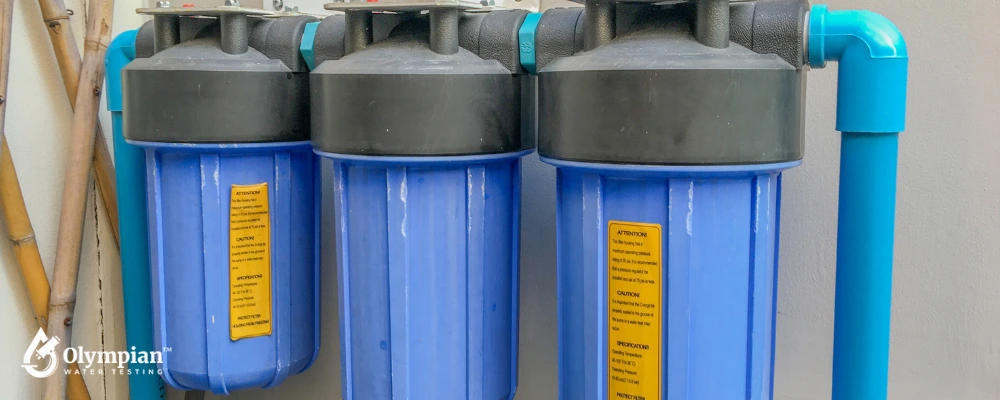
One of the most commonly used water filter types is the activated carbon filter. These filters work by using a bed of activated carbon to remove contaminants from water through chemical adsorption. Activated carbon is porous, providing a large surface area for adsorption.
These filters are effective at removing organic compounds, chlorine, and other chemicals that affect taste and odor. They can also reduce some heavy metals and sediment. However, they are not effective against bacteria, viruses, and some inorganic contaminants.
Reverse Osmosis Systems: An In-Depth Look
Reverse osmosis (RO) systems offer a more comprehensive filtering solution. These systems work by forcing water through a semi-permeable membrane that filters out a wide range of contaminants. RO filters can remove bacteria, viruses, heavy metals, nitrates, and most other common contaminants.
However, RO systems are more complex and expensive than other types of filters. They also require more maintenance, as the membrane must be kept clean and replaced periodically. Additionally, RO systems produce a significant amount of wastewater, which can be a drawback in areas with water scarcity.
Ceramic Filters: An Eco-friendly Option
Ceramic filters offer an environmentally friendly option for water purification. They are typically made from clay and often include a layer of colloidal silver, which is effective against bacteria and protozoa.
Ceramic filters work by trapping contaminants in the tiny pores of the ceramic material. This makes them effective at removing sediment, bacteria, and protozoa, but less effective against viruses and chemical contaminants. Ceramic filters are long-lasting and can be cleaned and reused, reducing waste.
UV Filters: Modern Technology for Water Purification
Ultraviolet (UV) filters represent a modern approach to water purification. These systems work by exposing water to UV light, which damages the DNA of bacteria and viruses, rendering them unable to reproduce.
UV filters are highly effective against bacteria and viruses, but they do not remove any other type of contaminant. Therefore, they are often used in conjunction with other filter types in a multi-stage system. UV filters require electricity to operate, which can be a limitation in some situations.
Distillation Units: Pros and Cons
Distillation units purify water by heating it to create steam, which is then cooled and collected as purified water. This process effectively removes bacteria, viruses, heavy metals, and most chemical contaminants.
However, distillation units are not effective against volatile organic compounds, which can evaporate with the steam. They also require a significant amount of energy to operate, which may be a concern in terms of environmental impact and operating cost. Furthermore, distilled water can sometimes have a flat taste because the process removes all minerals, including those that enhance flavor.
Understanding Filter Certifications: What to Look For
When choosing a water filter, it’s important to look for certifications that indicate the filter’s performance. Two well-known organizations that certify water treatment products are NSF International and the Water Quality Association. Certifications typically indicate what contaminants a filter is certified to remove and may also include information about material safety and structural integrity.
It’s important to note that not all filters are certified for all contaminants. Always check the specific certifications for each filter and ensure it aligns with the contaminants you’re most concerned about in your water supply.
Maintaining Your Water Filter: Tips and Best Practices
Just like any appliance, water filters need regular maintenance to operate effectively. This typically includes replacing filter elements or cartridges at recommended intervals. Failure to do so can lead to decreased performance and potential health risks.
Maintenance practices can vary based on the type of filter:
- Activated carbon filters typically need cartridge replacement every few months.
- Reverse osmosis systems require membrane replacement every 2-3 years, and pre- and post-filters need to be replaced more frequently.
- Ceramic filters can often be cleaned and reused multiple times before needing replacement.
- UV filters require periodic bulb replacement, typically every 1-2 years.
- Distillation units require regular cleaning to remove scale build-up.
Water filtration is a key aspect of ensuring a safe and healthy water supply for your household. By understanding the different types of filters and their benefits, you can make an informed decision and find the best solution for your needs. Keep in mind that no single filter can remove all contaminants, so it’s important to know your water source and the potential contaminants it might carry. With this knowledge in hand, you’re well on your way to cleaner, safer water.
Share this on social media:
Facebook
Twitter
LinkedIn

Related Posts