The Journey of New York's Tap Water from Mountains to Faucets
- Published:
- Updated: January 17, 2025
Listen to this article
Summary
Tucked in New York’s Catskill/Delaware Watershed lies the source of over 90% of NYC’s water supply, emphasizing its vital role in maintaining water quality. Key points: Tucked in New York’s Catskill/Delaware Watershed lies the source of over 90% of NYC’s water supply, emphasizing its vital role in maintaining water quality. The pristine reservoirs, fed by mountain streams, not only provide fresh drinking water but also support a diverse ecosystem. This natural filtration process ensures that NYC tap water is among the cleanest in the nation, contributing to both public health and the city’s renowned culinary reputation. Additionally, the careful management of this watershed highlights the importance of sustainable practices in preserving such a crucial resource.
- Natural filtration process: Rainwater and snowmelt pass through soil and vegetation, enhancing water purity.
- Water collection and storage: 19 reservoirs ensure continuous supply, utilizing gravity to save energy.
- Treatment and safety measures: Chlorination, UV treatment, and regular testing uphold water quality standards.

Amid lush upstate New York, the Catskill/Delaware Watershed is the city’s water supply source. This pure wilderness of high peaks and deep valleys is more than a million acres. It is situated a hundred miles away, but makes up more than 90 per cent of the city’s daily water supply.
There is no overstatement of the value of this high country for New York’s water. The terrain and geology of the region also contributes to the quality of the water. The filter the landscape naturally creates and the attention of the Department of Environmental Protection make the water that is collected excellent.
The Natural Filtration Process
Even before the water comes into the tanks, there is a marvellous natural filter. Rain and snowmelt flow down the mountainside in layers of soil, rocks and plants, then run off into the ground. These natural elements serve as a whole-house filter to get rid of contaminants, and are the reason why New York City’s tap water is such a great source of goodness.
It is a natural water purification method that’s safe and sustainable. But it also stresses the need to guard the watershed against pollution and other environmental threats. Deforestation and industrial processes might be especially disruptive to this filtration process and, by extension, to the city’s tap water quality.
Water Collection and Storage
It goes on as water is taken in and stored in massive ponds across the watershed. New York has 19 reservoirs and three artificial lakes with a storage capacity of about 580 billion gallons. These huge reservoirs act as a sort of backstop so that the city never runs out of water, even in drought or when they are maintaining them.
The collected water is channelled into tunnels and aqueducts that take it into the city. While it does this, the water is held in gravity, so there are no pump stations and they save significant amounts of energy.
Treatment and Filtration
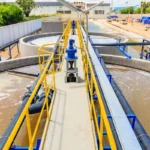
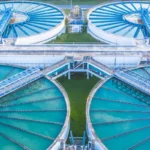
The water is further sanitised before it’s released into the city. This includes disinfection with chlorine to kill any lingering bacteria and viruses. Other components include orthophosphate to dilute lead and copper and food grade phosphoric acid to balance the pH and keep the plumbing systems from corroding.
Over the past several years, New York City also utilised ultraviolet (UV) light treatment, which has one of the largest facilities in the world. It uses UV light to kill disease-causing microbes without the use of chemicals or a change in the smell or taste of the water.
Infrastructure and Delivery System
From the dams, water flows hundreds of miles in tunnels and aqueducts. It is a wonder of civil engineering that took decades to build, and today delivers clean, fresh water to more than 8 million people in New York City and another million in upstate counties.
The water in the city, after reaching home and office, is first kept in local distribution reservoirs and sent out through smaller mains and pipes. Gravity drives the entire path from the mountains to the city faucet, and this is why the New York City water system is among the world’s most efficient.
Maintenance and Safety Checks
New York’s water supply is kept up to date with regular inspections and quality assurances. The city’s Department of Environmental Protection samples more than 600,000 test every year at 1,000 sampling sites. These advanced tests monitor more than 250 factors to make sure that the water meets or exceeds the requirements of the Safe Drinking Water Act.
Moreover, the infrastructure of the system is regularly checked and repaired. This is to check and repair damage to the aqueducts and tunnels, run the watershed, and keep the reservoirs and dams in working order. This constant watch makes sure that the city’s water supply is not only stable, but also safe to drink.
Impact of Urbanization and Environmental Concerns
But New York’s tap water has not always made the same road. Fast growth in urbanization, global warming and pollution are big problems for the city’s water supply.
It can be more polluted by urbanisation at the watershed’s edge, or impacted by climate change by the movement of rainfall and thereby the availability of water. Plus, ageing infrastructure and population is adding further burdens on the water system of the city.
For example, challenges include:
Runoff from farms and factories along the watershed Pollution from agricultural drainage and other industrial activities Along the watershed.
Detours from the natural filter mechanism (by logging or development).
Potential burden on the network from rising demand.
Such problems demand collaboration among policymakers, environmentalists and citizens.
What is the future of New York's tap water?
In the longer term, there’s still a work to do to ensure the safety and availability of tap water for New York’s population growth. That includes additional infrastructure investments, stricter rules to enforce the watershed and research into improved water treatment technologies.
So does innovation in New York’s tap water. For example, with high tech systems such as AI and machine learning, you can spot failures or leaks earlier and prevent them.
And education on water and how to keep the watershed protected is a part of a more sustainable future. Until then, such efforts will be vital in keeping New Yorkers always safe and clean drinking water.
Share this on social media:
Facebook
Twitter
LinkedIn

Related Posts