Understanding Different Types of Water Pollution and their Effects
- Published:
- Updated: December 16, 2024
Listen to this article
Summary
Preventing water pollution requires collective action:
- Waste Management: Proper disposal of waste and reduction of harmful chemicals are crucial in preventing pollution.
- Agricultural Practices: Implementing best practices minimizes pesticide and fertilizer runoff into water bodies.
- Public Awareness: Educating the public on pollution risks fosters responsible behavior and conservation efforts.

We all depend on water, and you need to make sure it is in good condition. Sadly, with all the activities of human and industrial activities, the waters are becoming progressively more polluted. Pollution of water is a new environment concern and an existential risk to the environment and to human life.
What is Water Pollution?
Water pollution is the degradation of streams, lakes, oceans and soils. This can be from industrial emissions, farm drainage, sewage, or oil spills. The contaminants are chemical, biological or physical and can have huge adverse effects on water quality, both for environment and health.
Types of Water Pollution

Chemical pollution: this is the concentration of harmful chemicals in the water, which can be from industrial effluent, agricultural landslide, and sewers. These pollutants include heavy metals, pesticides and oil as some of the most frequent chemicals that pollute water. These chemicals can be terribly harmful to aquatic life and they can harm humans too if the polluted water is consumed or enjoyed.
The biological pollution means sewage, livestock and other organic wastes are contaminants that enter waterways as toxic microbes. These bacteria may be causing illness and infection in humans and animals who contact tainted water.
Physical pollution: these are physically present pollutants in water sources that can affect its quality and purity. Oil spills, litter and sediment runoff from construction projects are just a few common forms of physical contamination. Such pollution can be very damaging to aquatic organisms and can be detrimental to water recreation.
What are the Effects of Water Pollution?
- Ecological Effects: Water pollution has a significant impact on the ecosystem, leading to adverse effects on aquatic life. Contaminated water can harm or kill fish and other aquatic animals, and it can also interfere with the food chain, leading to a decline in the population of various species.
- Human Health Effects: Water pollution can also have serious consequences for human health, particularly if the contaminated water is used for drinking or recreational purposes. Exposure to toxic chemicals and harmful microorganisms in contaminated water can cause various diseases and infections, such as skin irritation, eye infections, and gastrointestinal problems.
- Economic Effects: Water pollution can also have significant economic consequences, particularly for industries that depend on water resources, such as fishing and tourism. Contaminated water can reduce the population of fish and other aquatic animals, leading to a decline in the fishing industry. Similarly, water pollution can also discourage tourists from visiting contaminated water bodies, leading to a decline in the tourism industry.
Preventing Water Pollution
There are a few things that can be done to eliminate water pollution and save the environment and the lives of human beings. The measures here are just some of them:
Proper Waste Management
Waste disposal is very important to prevent water pollution. Companies and households should recycle their waste, and also use as little chemicals and contaminants as possible.
Agricultural Practices
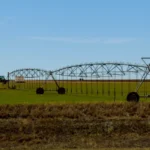
Water quality also needs to be ensured by agricultural practices. Farmers should be well-managed so as to reduce runoff of pesticides and fertilisers into waterways.
Public Education and Awareness
Water pollution is also an issue of public education and sensibility. Public education on the hazards of water contamination and the necessity of water conservation is needed. They should also be invited to do their bit to mitigate the environment, like not using single-use plastics and conserving water.
Strict Enforcement of Environmental Regulations
We need rigorous environmental regulations to keep water clean, too. There should be laws that govern what contaminants can and cannot be dumped into water bodies – and penalties for companies and people who violate these laws.
Improved Water Treatment Technologies
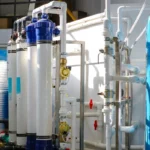
More Improved Water Treatment Technologies also can save the water from pollution. Advanced water treatment processes can filter contaminants out of water to make it safe to drink and use.
Impact on Marine Life
Pollution of water impacts the life in and around the water: fish, whales and other marine animals. Water that is contaminated kills or kills these animals, but also corrupts their reproduction, making them disappear. Moreover, water contamination can also damage the natural areas where these animals are forced to live to lack food and shelter. This can be transient, with effects in the rest of the ecosystem such as diminishing the number of other animals for whom they feed.
What are the Long-Term Consequences of Water Pollution?
The broader effects of water contamination – which school water testing services are helping to identify – aren’t just visible from the immediate surroundings, but they can have long-term effects on our descendants. And after a pollution source is decontaminated, the impacted water can be left on the landscape for many years. Such persistence further degrades the environment and carries into the future the risks to human health. It also hurts the economy as it is a hinderance for different sectors like tourism.
Polluted water makes people don’t want to travel to the impacted regions, and that decreases tourism. This falls because of the concern about the quality and safety of water, which is a big factor in the appeal and attraction of a destination. It can leave the stigma of dirty water lasting, destroying the lives and economies of tourism-dependent communities.
Understanding the impact of water pollution in the long term is important to drive the imperative to develop effective preventive and remediation strategies. Through school water testing services, and a determined push to eliminate pollution sources, we will not only protect the natural world, but future communities as well.
The Role of Individuals
Citizens can be active players in avoiding water pollution and watershed protection. If individuals make less single-use plastic and save water, then they’ll do less damage to the planet. They can also endorse institutions and programs working to preserve water and avoid water pollution. People can also press for more regulation and punishment for industries and individuals who violate the law and pollute the water.
The Benefits of Clean Water
The benefits of healthy water to the environment and to humans are many. It helps maintain a healthy environment, a home for fish and other water life. It is also good for human health, because we need a clean water to drink and to play in. Clean water can be also economically useful because it fuels fishing and tourism industries. We can save these goods for future generations by keeping water clean and saving water.
Share this on social media:
Facebook
Twitter
LinkedIn

Related Posts