Uncovering the Threats: The Hidden Dangers of Water Contamination in Emerging Nations
- Published:
- Updated: December 16, 2024
Listen to this article
Summary
Water contamination persists in emerging nations, with dire consequences for health, economies, and societies. Understanding its dangers is crucial:
- Water Contamination: Harmful substances in water threaten public health and ecosystems.
- Threats: Limited access to clean water leads to disease spread and economic hardships.
- Solutions: Improve infrastructure, implement management practices, raise awareness, and engage communities for lasting change.

It’s the water problem in most emerging markets that’s not clean or available to everyone. The implications of water pollution are catastrophic and widespread, not just for the health of individual people but also for the economy and social stability of whole societies. This water contamination threat is all too real because most people don’t know they are at risk.
What is Water Contamination?
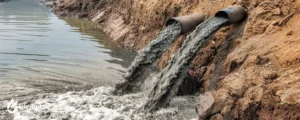
Water contamination : There are harmful materials in water that can harm people and the environment. They may originate in all manner of different places: from industrial effluent, agricultural effluent, and untreated sewage. Water can be tainted by all kinds of pollutants: heavy metals, bacteria, viruses, chemicals and so on.
When the water becomes consumed, directly or indirectly from the crops or food produced by the polluted water, health hazards arise such as the transmission of waterborne pathogens, contamination of crops and food supplies, and degradation of the environment. Degradation of water can have even more drastic economic impacts: lower agricultural productivity, less access to clean water for basic needs, and lower economic growth opportunities for local communities.
The Threats of Water Contamination in Emerging Nations

In the emerging world, the stakes are very high and the consequences are massive. There are few reliable sources of safe drinking water in these societies, and contaminated water is a public health crisis. The spread of waterborne diseases like cholera, typhoid and dysentery is also a big problem as polluted water can host pathogenic bacteria and viruses.
Not only that, but contaminated water can also threaten food security, and polluted crops and foodstuffs threaten human health and the environment. The effects can be environmental damage, as polluted water reaches aquatic organisms and ecologies, and even soil and groundwater. The economic effects of water pollution can be a similar story: lower agricultural productivity, less availability of clean water for basic necessities, and reduced economic growth in rural areas.
Addressing the Threats of Water Contamination
Addressing the threats of water contamination in emerging nations requires a multi-faceted approach, including:
- Improving Water Quality Infrastructure: Improving water quality infrastructure is a critical step in addressing water contamination. This can include investing in water treatment plants, distribution networks, storage tanks, and monitoring systems to ensure that water is clean and safe. By investing in these systems, communities can improve access to clean and safe drinking water, reduce the risk of waterborne diseases, and prevent the spread of contamination.
- Implementing Effective Management Practices: Implementing effective management practices is also critical to reducing the risk of water contamination. This can include using best practices in water treatment, improving water management practices, and reducing the use of harmful chemicals in agriculture and industry. By following these practices, communities can reduce the risk of water contamination, protect the food supply, and prevent the spread of disease.
- Building Strong Partnerships: Building strong partnerships with local communities, government agencies, and other stakeholders is essential to addressing the threats of water contamination. These partnerships can help to leverage resources, expertise, and local knowledge to address these threats and improve water quality in these communities. By working together, communities can improve water quality and reduce the risk of contamination.
- Raising Awareness: Raising awareness about the dangers of water contamination and the importance of clean and safe drinking water is critical to addressing these threats. This can include educating the public about the risks of contaminated water and the steps that can be taken to reduce these risks. By raising awareness, communities can empower individuals to take action and improve water quality for themselves and future generations.
The Role of Government in Addressing Water Contamination
The government plays a critical role in addressing the threats of water contamination in emerging nations. Governments can provide funding for water quality infrastructure projects, regulate the use of harmful chemicals in agriculture and industry, and enforce environmental protections to reduce the risk of water contamination. Governments can also work with local communities, non-government organizations, and private sector partners to build partnerships and leverage resources to address these threats.
By working together, governments and communities can improve water quality, reduce the risk of waterborne diseases, and protect the environment. This can include investing in water treatment plants, monitoring systems, and distribution networks, implementing effective water management practices, and reducing the use of harmful chemicals in agriculture and industry. Governments can also provide education and awareness programs to educate the public about the dangers of water contamination and the importance of clean and safe drinking water.
The Importance of Community Engagement
The solution to water pollution is to involve communities in emerging countries. People in the community are especially well positioned to see threats and have an understanding of them that is helpful to combat these risks. Governments and others can work well with communities to form solid partnerships and leverage local assets to enhance water quality and minimize contaminant risks.
Even the public can be engaged in education about water pollution and the need for clean, safe water. This can include teaching citizens what exposure to contaminants of water is, what can be done to mitigate it, and how people can help to restore water quality. We can mobilize groups so people can become empowered to act and bring about a world where all have clean and safe water.
The Benefits of Investing in Water Quality
The investment in water quality could be great for emerging nations – for better health, for more prosperity, and for a healthier world. When more people have access to clean and safe water, they are less vulnerable to water-borne disease, healthier for local residents, and safer and healthier for the next generation.
Water quality infrastructure investment can also be economically rewarding – from greater agricultural yields to access to water for food, to more economic growth in the area. This can cut down on poverty, spur growth and offer a better future for the citizens of these neighbourhoods. Together we can bring about a world in which every person has access to clean and safe water, and everyone benefits from this valuable resource.
Share this on social media:
Facebook
Twitter
LinkedIn

Related Posts