The Emergence of Chlorination as a Water Purification Method
- Published:
- Updated: January 2, 2025
Listen to this article
Summary
Chlorination emerged as a crucial water purification method, effectively combating waterborne diseases. Its history dates back over a century, with Jersey City pioneering its use in 1908. Chlorination’s advantages include effectiveness, ease of use, cost-effectiveness, and long-term benefits. However, challenges such as chlorine by-products, residuals, and resistance persist. Despite this, chlorination is likely to evolve with advancements in water treatment technology and increased awareness of clean water’s importance, ensuring its continued role in providing safe drinking water worldwide.

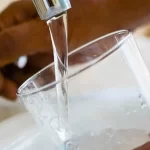
Chlorination is one of the commonly used water purification techniques that became a panacea for waterborne diseases. Chlorination is where chlorine is added to water to kill pathogens and clean the water. Chlorination, used as a ubiquitous water-treatment method, improved public health and curbed waterborne pathogens, and it is therefore a key event in the history of water treatment and use.
What is Chlorination and How Does it Work?
Chlorination : Chlorination is a treatment where water is treated with chlorine to eliminate bacteria, viruses and other unwanted microorganisms. Chlorine is an extremely reactive element that kills microorganisms in no time and it’s a great water purifier.
It is done through a chlorination by adding a tiny amount of chlorine to the water which breaks down into hypochlorous acid. The acid is very corrosive, killing pathogens quickly so water is not poisonous to humans. Its chlorine concentration is kept low so the water can be consumed, and also kills pathogenic microorganisms.
Not only does chlorination kill pathogens, but it also prevents the development of new microorganisms in the water. This also makes sure the water is clean and can still be used by humans later on.
The History of Chlorination

The practice of chlorination as water treatment goes back more than 100 years, and the history of chlorination runs very close to the history of public health. Water disease outbreaks – cholera, typhoid fever – plagued cities in the late 19th century, and many were having difficulty offering people clean and safe water.
The city of Jersey City in New Jersey became the first in the world to disinfect its water with chlorination in 1908. It paid off immediately, as waterborne epidemics fell by the hundreds. This victory eventually made chlorination a household water treatment and is now used to clean water for millions of humans all over the world.
Chlorination is now one of the most common water purification systems in the world thanks to improvements in water treatment technology over the years. With chlorination, waterborne diseases have been reduced at a large scale, and it has improved public health and access to safe, clean water.
The Advantages of Chlorination
Chlorination is a great water purification technique because:
Power: Chlorination kills bacteria, viruses, and other noxious microbes very well, so water is safe to drink.
Quick Installation: Chlorination is extremely simple and straightforward to deploy in big water treatment plant.
Cheapness: Chlorination is a very cheap water purification technology that is accessible to large numbers of people.
Availability worldwide: Chlorine is available everywhere, and quite affordable, so it’s available to water treatment plants the world over.
Permanent Benefits: Chlorination deters the development of new microorganisms in the water supply, so that it will stay clean and safe for humans long into the future.
Such benefits have helped chlorination become one of the most widely used water treatments in the world and have helped enhance public health and access to clean and safe water.
The Challenges of Chlorination
Chlorination is a powerful water purification technology but there are some drawbacks to chlorination such as:
By-products of chlorine: There are by-products of chlorination, such as trihalomethanes, which are toxic to humans.
Residue of chlorine: The residual chlorine in water is harmful to human health if it goes above a certain level. The chlorine used in the water purification process should be strictly controlled so that the levels are never above acceptable levels.
Resistant to chlorine: Bacteria and viruses become resistant to chlorine, and chlorine can not be used to treat water. That’s why we need to regularly test the water and apply a mix of water purification procedures to keep water safe for humans.
Yet even with all of these hurdles, chlorination is one of the most popular water purification systems and will likely still play a crucial role in making sure we’re drinking healthy water.
The Future of Chlorination
Chlorination will likely only evolve in response to the technology for treating water and the awareness of the public that safe, clean water matters.
There will probably be new water treatment technologies coming along that will make chlorination more efficient and less harmful to the environment in the future. For instance, there are already chemicals like UV-active chlorine, which is better at killing microorganisms and produces fewer by-products.
Newer water treatment technologies and more investments in water treatment infrastructure should also be spurred by a heightened public awareness of the value of healthy drinking water. And that’s going to make sure chlorination is a safe and popular water purification technology for decades to come.
Share this on social media:
Facebook
Twitter
LinkedIn

Related Posts