Science of Sustainability: Understanding the Water Quality Testing Process
- Published:
- Updated: December 16, 2024
Listen to this article
Summary
Understanding water quality through testing is vital for sustainability, ensuring safe consumption and ecological health. The process involves collecting, preserving, analyzing, and interpreting samples to identify contaminants and impurities. Physical, chemical, and biological tests provide comprehensive insights into water quality, considering factors like industrial waste, sewage, and natural disasters. Water quality standards established by regulations like the Clean Water Act safeguard public health and the environment. Testing benefits include public health protection, environmental conservation, and supporting sustainable development. However, challenges like cost, limited resources, data variability, and regulatory enforcement exist, emphasizing the need for continued improvement in water quality testing.
- Water quality testing is crucial for sustainability, ensuring safe consumption and ecological health.
- The process involves collecting, preserving, analyzing, and interpreting samples to identify contaminants and impurities.
- Challenges like cost, limited resources, data variability, and regulatory enforcement exist, emphasizing the need for continued improvement in water quality testing.

Science of sustainability is an important science that concerns the protection of the health and wellbeing of the earth and its resources. As sustainability is all about knowing water quality, and testing it for if it’s safe for humans to drink and use. A water quality testing process will include sample taking, analysis and interpretation to find out the presence of contaminants and other contaminants. If we learn the science of sustainability and water quality testing, we can create a more sustainable world for ourselves and for our children.
Importance of Water Quality Testing
Water quality testing is essential because water is a finite resource that is vital for our survival and the survival of all living things on the planet. It is used for various purposes, including drinking, cooking, cleaning, and irrigating crops. However, water can become contaminated by pollutants from sources such as industrial waste, agricultural runoff, and sewage treatment plants. Contaminated water can pose significant health risks to humans and animals and can also harm the environment. For example, contaminated water can cause illness, birth defects, and even death, as well as harm aquatic life, reduce biodiversity, and impact the overall health of the ecosystem.
How is Water Quality Testing Performed?

Water quality testing is generally done in several steps like sampling, storage, examination, and interpretation of data.
Collecting the sample: Water sample is taken as an initial water quality testing. Normally, the samples are taken in sterile tubes to avoid contamination from other people.
Preservation of the sample: The sample once collected must be maintained in order to avoid loss and retake. That is usually done by cooling the sample or using a preservative to prevent growth of bacteria and other microorganisms.
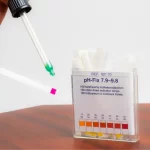
Analyse of the sample: Now it is time to analyse the sample in the lab. It can be any kind of test such as physical, chemical and biological. Physical measurements measure the physical properties of water: temperature, colour, turbidity. Chemical analysis is a measurement of the chemical quality of water including pollutants (heavy metals, chemicals, bacteria). Biological tests test water for bacteria, viruses and microbes.
Interpretation of data: The last step is the analysis of data and to know the overall quality of the water sample. This is where the results of the tests are compared to known water quality criteria and whether the water is suitable for its purpose.
Different Types of Water Quality Tests
Physical, chemical and biological water quality tests are different types of tests. Tests of physical properties test the physical properties of water (temperature, colour, and turbidity). They’re tests that are carried out to check the appearance of the water and to detect any evident contaminants. Chemical analyses, on the other hand, measure water’s chemical make-up, such as the amount of heavy metals, chemicals and bacteria. They detect if certain substances exist in the water and whether there is any risk to health.
Biological tests check for bacteria, viruses and other microorganisms in water. These tests detect microbes responsible for illness and disease and to see the general health of the water sample. With the aid of a set of such tests, you can gain a complete idea about the water quality and check if it’s suitable for consumption and usage.
Key Factors that Affect Water Quality
There are several factors that can impact the quality of water, including:
- Contaminants from industrial waste and agricultural runoff: Industrial waste and agricultural runoff can contain harmful pollutants that can leach into the water supply and contaminate it.
- Sewage treatment plants: Sewage treatment plants can discharge pollutants into the water supply, including bacteria, viruses, and chemicals.
- Leaking underground storage tanks: Leaking underground storage tanks can release hazardous chemicals into the groundwater, contaminating the water supply.
- Improper disposal of hazardous waste: Improper disposal of hazardous waste can release pollutants into the water supply, posing a risk to public health and the environment.
- Natural disasters, such as floods and hurricanes: Natural disasters can cause significant damage to water treatment facilities and infrastructure, leading to contamination of the water supply.
What are the Standards for Water Quality?
Water quality guidelines are designed to safeguard people and the planet. They regulate the contaminants that water can contain and the functions for which water should be used – to drink, to irrigation, and to play. The Clean Water Act and Safe Drinking Water Act in the US set the parameters for water quality. These are set by the Environmental Protection Agency (EPA) and they are intended to make sure all Americans have clean, safe water.
Benefits of Water Quality Testing
Among the many advantages of water quality testing are:
Retaining public health: By testing the water for contaminants, we can see if there is any risk to health and make sure to do the right thing to avoid disease and infection.
Environmental sanitation: Water testing keeps the environment clean by revealing pollutants and contaminants. This data can be utilised to build plans for pollution minimization and environmental protection.
Water testing for specific use: When we have water tested specifically for a specific use (i.e., drinking or irrigation), it will be guaranteed to be suitable for that application. It does this to conserve the environment and public health and makes sure that water is efficiently and sustainably utilized.
To facilitate sustainable development: Water quality testing is considered to be a sustainable development tool, it can help conserve nature and improve the wellbeing of people and environment.
Challenges of Water Quality Testing
Water quality testing, even if it’s critical, is tricky. Cost, resources, lack of data and enforcement of regulations are just a few of the hurdles. Testing for water quality can be expensive especially if you want it tested in the lab. It can make it challenging for some communities to use this critical service. Water quality testing facilities and equipment might be unavailable in some regions where communities might struggle to test their water and detect a health threat.
The water is sometimes poor in one place and then worse elsewhere, so it is hard to have good information. It can be hard to see the overall condition of the water and determine the source of pollution. Some water quality rules may fail to be enforced and can be contaminated and harmful to health. Water quality standards must be well-enforced to safeguard the health and welfare of citizens.
Share this on social media:
Facebook
Twitter
LinkedIn

Related Posts