Water Sources in the United Arab Emirates
The United Arab Emirates (UAE) faces unique challenges in securing a sustainable water supply. Its arid climate and limited natural freshwater resources are major hurdles. To meet the growing demand, the country relies on desalination, groundwater extraction, and treated wastewater.
Desalination: The Primary Source of Tap Water
Desalination is the primary source of tap water in the UAE, accounting for about 99% of the country’s domestic water supply. The UAE boasts one of the world’s largest desalination capacities. Numerous plants employ advanced technologies to remove salts and impurities from seawater. This ensures a reliable supply of potable water for the population.
The Taweelah Reverse Osmosis Desalination Plant, located in Abu Dhabi, is among the largest globally. It plays a key role in meeting the water needs of the UAE’s capital city and surrounding areas. Despite its effectiveness, desalination has environmental impacts, such as brine discharge and high energy consumption.
Groundwater: A Limited Resource
Groundwater resources in the UAE, while limited, are significant. Groundwater accounts for about 70% of the UAE’s total water supply, totaling 4,052 million cubic meters. Yet, only about 3% of this groundwater (around 20 billion cubic meters) is fresh water.
Groundwater depletion is a major concern in the UAE. Some aquifers are non-renewable due to slow recharge rates. Agricultural activities, mainly date palm irrigation, account for over 70% of groundwater utilization. The excessive use has led to salinization, making the water unsuitable for consumption or irrigation.
Water Source | Percentage of Total Supply | Volume (million m³) |
Groundwater | 70% | 4,052 |
Desalinated Water | 24% | 950 |
Treated Wastewater | 6% | 319 |
To address water scarcity and groundwater depletion, the UAE has invested in research, technology, and infrastructure. Initiatives like the Strategic Tunnel Enhancement Programme (STEP) aim to conserve freshwater resources. STEP transports treated wastewater for irrigation. The country is also exploring innovative solutions, such as cloud seeding, to enhance natural water resources.
Water Treatment Process in the UAE
The United Arab Emirates (UAE) employs advanced water treatment processes to ensure the safety and quality of its tap water. With over 200 clients in the wastewater treatment sector, the UAE has a robust market presence and strict regulations regarding effluent discharge limits. Water purification in the UAE is critical due to its arid climate and limited freshwater resources.
Desalinated water, which makes up about 70% of the UAE’s water supply, undergoes multiple filtration steps and disinfection with chlorine. This process removes contaminants. The Dubai Electricity and Water Authority (DEWA) oversees the water supply system, maintaining rigorous water quality control in the UAE. Regular testing ensures compliance with World Health Organization (WHO) standards, which set limits for contaminants like heavy metals and bacteria.
The UAE is actively pursuing water reuse initiatives. Treated wastewater is commonly used for irrigation, industrial processes, and aquifer recharge. Advanced treatment technologies, such as Membrane Bioreactors (MBR) and ultraviolet disinfection systems, are used for superior effluent quality. Non-compliance with wastewater regulations can lead to significant penalties, including fines and suspension of operations.
Water Treatment Technology | Purpose |
Membrane Bioreactors (MBR) | Achieve superior effluent quality |
Ultraviolet Disinfection Systems | Inactivate pathogens and ensure water safety |
Reverse Osmosis | Remove dissolved solids and contaminants |
The UAE government is committed to sustainable development, with water treatment processes in the UAE playing a key role. Technological advancements, such as remote sensing, nanotechnology, and machine learning algorithms, are improving water analysis methods and predictive modeling. As the UAE continues to invest in innovative solutions and sustainable practices, it aims to ensure a safe and reliable water supply for its growing population.
Water Quality Standards and Regulations
The United Arab Emirates (UAE) is dedicated to ensuring safe drinking water for all. It follows strict water quality standards from both international and national bodies. These standards guarantee that tap water in the UAE is of the highest safety and purity.
World Health Organization Guidelines
The UAE adheres to the who water quality guidelines. These guidelines, set by the World Health Organization (WHO), form the basis of the UAE’s water regulations. They cover microbiological, chemical, and radiological aspects to safeguard public health.
The WHO has recently updated its criteria for per- and polyfluoroalkyl substances (PFAS). The new human health criteria (HHC) for these substances are:
Substance | Water + Organism (ng/L) | Organism Only (ng/L) |
PFOA | 0.0009 | 0.00036 |
PFOS | 0.06 | 0.07 |
PFBS | 400 | 500 |
UAE National Drinking Water Quality Standards
The UAE also has its own drinking water standards through the uae water regulations. The Water Quality Regulations 2025, set to start on January 1, 2025, is the sixth revision. It includes feedback from stakeholders, new desalination technologies, and aligns with WHO guidance.
The Department of Energy (DoE) will enforce these regulations in the water sector. Licensees must provide the DoE with necessary information. Failure to comply is a violation. The new standards will replace the 2021 regulations.
By following both international and national standards, the UAE ensures its tap water is safe and clean. Regular monitoring and testing are done to keep up with these drinking water standards uae. This ensures the health and well-being of residents and visitors.
Tap Water Safety in Major UAE Cities
In the United Arab Emirates (UAE), tap water in major cities like Abu Dhabi, Dubai, and Sharjah is generally safe to drink. These cities have implemented advanced water treatment processes and adhere to strict quality standards. This ensures the safety of their drinking water supply. Let’s take a closer look at the tap water situation in each of these cities.
Abu Dhabi
Abu Dhabi, the capital city of the UAE, prioritizes the safety of its tap water. The Abu Dhabi Distribution Company (ADDC) is responsible for monitoring and maintaining the quality of the city’s drinking water. Regular testing is conducted to ensure compliance with the UAE National Drinking Water Quality Standards, which align with the World Health Organization (WHO) guidelines. The ADDC also implements measures to prevent contamination and maintain the integrity of the water distribution network, ensuring that abu dhabi tap water safety remains a top priority.
Dubai
Dubai, known for its modern infrastructure and high standards of living, takes pride in providing safe and clean drinking water to its residents and visitors. The Dubai Electricity and Water Authority (DEWA) oversees the treatment and distribution of the city’s water supply. DEWA employs state-of-the-art technology and follows stringent quality control procedures to ensure that dubai drinking water quality meets the highest international standards. The authority conducts regular sampling and testing to monitor water quality and promptly address any issues.
Sharjah
Sharjah, the third-largest city in the UAE, also places great importance on the safety and quality of its tap water. The Sharjah Electricity, Water, and Gas Authority (SEWA) is responsible for the sharjah water supply and ensures that it meets the required standards. SEWA employs advanced treatment methods, including desalination and purification processes, to provide clean and safe drinking water to its residents. The authority conducts regular monitoring and testing to maintain water quality and prevent any contamination.
While tap water in these major UAE cities is generally safe to drink, quality may vary in older buildings or areas with outdated plumbing systems. In such cases, residents are advised to regularly maintain their water tanks and consider using water filters for added peace of mind.
The UAE government and local authorities are committed to ensuring the safety and quality of tap water in major cities. Through continuous monitoring, testing, and adherence to strict standards, they strive to provide residents and visitors with a reliable and safe drinking water supply.
United Arab Emirates Water Quality
The United Arab Emirates (UAE) is dedicated to maintaining the safety and quality of its water. This is achieved through rigorous monitoring and testing. The government and water authorities work tirelessly to uphold high standards, ensuring public health is protected. Regular checks are conducted to detect and mitigate contaminants like bacteria, heavy metals, and other harmful substances.
Monitoring and Testing
The UAE heavily relies on desalination plants for its water supply. This requires strict uae water quality monitoring. Advanced technologies, including remote sensing, nanotechnology, and machine learning, are used to enhance water analysis methods. These tools enable real-time monitoring, early detection of water quality changes, and predictive modeling to identify issues.
The UAE follows both local and international standards, including those set by the World Health Organization (WHO) and local regulatory bodies. For example, the Dubai Municipality has established guidelines for tap water quality in Dubai. Despite these efforts, some residents may worry about the long-term effects of drinking tap water due to its high mineral content. This can affect taste and odor.
Contaminants and Health Concerns
While the UAE’s treated water generally meets international standards, there are health risks associated with contaminants in uae water. Contaminated drinking water can cause various illnesses, including gastrointestinal infections, cholera, and typhoid fever. The rapid urbanization and industrialization in the UAE increase the risk of water pollution, highlighting the need for continuous monitoring.
To address these health risks uae water, many residents use water filtration systems. Companies like Brand RO Plant Water Treatment offer a variety of solutions, including reverse osmosis (RO) systems, UV sterilizers, and carbon filters. These systems cater to the needs of homeowners, businesses, and industrial facilities, ensuring access to safe drinking water.
Dam | Length (m) | Height (m) |
Wadi Al Beeh | 575 | 18 |
Wadi Ghalfa | 235 | 8 |
Wadi Wareaa | 367 | 33 |
Wadi Basira | 885 | 8 |
Wadi Ham | 2800 | 16 |
Wadi Azan | 110 | 10 |
Wadi Al Ghail | 26 | 4.5 |
Public Perception of Tap Water in the UAE
Opinions on tap water in the UAE vary, with some trusting its quality and others opting for bottled water. A survey revealed that consumer attitudes towards UAE tap water are shaped by taste, concerns over contaminants, and plumbing system conditions. These factors significantly influence public perception.
The UAE government has made notable efforts to ensure safe drinking water. Yet, there’s a need to enhance public trust in UAE water quality. Raising awareness about the rigorous water treatment processes and quality standards can help ease concerns. This could increase confidence in the safety of tap water.
To tackle public opinion on UAE tap water, authorities and water utilities should take several steps:
- Regularly test water quality and share results openly
- Launch campaigns to showcase tap water’s safety and advantages
- Urge building owners to maintain and improve plumbing systems
- Provide water testing services for residents with tap water concerns
By actively engaging with the public and proving the UAE’s water supply reliability, the government can improve consumer attitudes about UAE water. This shift could make tap water a trusted and sustainable option for drinking and household use.
Bottled Water Consumption in the UAE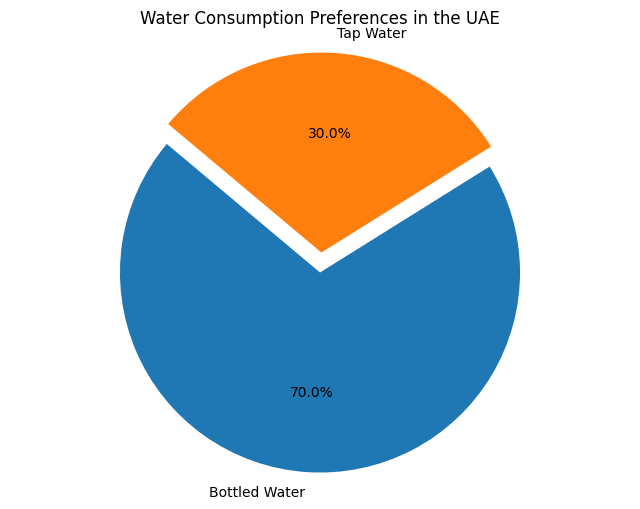
In the United Arab Emirates (UAE), bottled water has become a staple in daily life. The market is projected to reach 1.5 billion liters by 2025. On average, each resident consumes about 90 liters annually. This growth is expected to be at a 10% compound annual growth rate (CAGR) from 2020 to 2025. The UAE is among the top 10 countries globally in per capita consumption, with each person consuming over 285 liters yearly.
Several factors drive the preference for bottled water in the UAE. These include concerns over tap water quality and safety, taste preferences, and convenience. Over 70% of UAE residents opt for bottled water over tap water. This, despite tap water quality reports showing that 90% of it meets international safety standards.
Reasons for Choosing Bottled Water
Several factors contribute to the high consumption of bottled water in the UAE:
- Perceived purity and safety: Many residents believe that bottled water is safer and cleaner than tap water, despite tap water meeting international safety standards.
- Taste preferences: Some consumers prefer the taste of bottled water over tap water.
- Convenience: Bottled water is readily available and easy to carry, making it a convenient choice for many people.
- Marketing and branding: Bottled water companies invest heavily in marketing and branding, influencing consumer perceptions and choices.
Environmental Impact of Bottled Water
The high consumption of bottled water in the UAE has a significant environmental impact. Plastic waste from bottled water contributes to pollution and greenhouse gas emissions. The production and incineration of PET (polyethylene terephthalate) bottles, commonly used for bottled water, have a substantial carbon footprint.
Factor | Impact |
PET bottle degradation time | 450 years |
PET material needed for tourist demand (2023) | 2827 tons |
CO2e emissions from PET production | 5112 MtCO2e |
CO2e emissions from PET incineration | 4739 MtCO2e |
Initiatives like Dubai Can, launched in February 2022, aim to reduce plastic water bottle usage among residents. Encouraging the use of reusable water bottles and promoting tap water safety can help minimize the environmental footprint of bottled water consumption in the UAE.
Water Conservation Efforts in the UAE
The United Arab Emirates (UAE) leads in water conservation efforts, adopting cutting-edge strategies and water efficiency measures. This is to ensure sustainable water management. With scarce natural water resources and a rapidly expanding population, the UAE is keen on preserving water for future generations.
The UAE Water Security Strategy 2036 aims to cut water demand by 21 percent. It also targets a 50 percent reduction in water consumption per capita. The plan includes increasing water storage and productivity, and boosting treated water reuse to 95 percent.
To meet these objectives, the UAE government has launched various initiatives. These aim to increase public awareness about water conservation. Residents and businesses are encouraged to adopt water-saving practices. This includes using efficient appliances, fixing leaks, and choosing drought-resistant plants. The government also has tariff structures that reward efficient water use and penalize waste.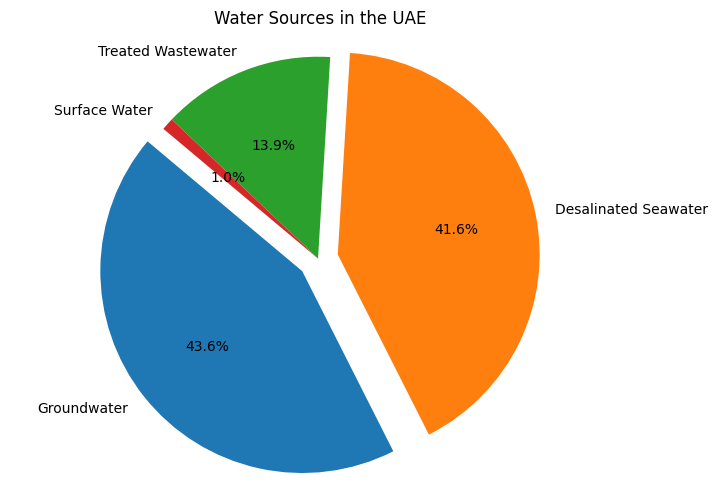
Water Source | Percentage |
Groundwater | 44% |
Desalinated seawater | 42% |
Treated wastewater | 14% |
Surface water | 1% |
Investments in advanced water treatment technologies are key to the UAE’s water conservation strategy. This includes reverse osmosis desalination and wastewater recycling. By diversifying its water sources, the UAE aims to ensure a stable water supply for its growing population.
"Water is life, and our lives depend on water. We must work to protect our water resources and use them wisely." – Sheikh Zayed bin Sultan Al Nahyan, Founder of the UAE
The UAE’s dedication to water conservation sets a precedent for other countries in the region. By focusing on water efficiency measures and sustainable water management, the UAE is securing a sustainable future for its people and the environment.
Improving Water Infrastructure
The United Arab Emirates is advancing its water infrastructure significantly. This is to ensure a sustainable and reliable water supply for its growing population. The government has launched various initiatives and invested in cutting-edge water treatment technologies. These efforts aim to improve the efficiency and effectiveness of the nation’s water management systems.
The UAE has ambitious targets to reduce total water demand by 21% and increase the water productivity index to $110 per cubic meter by 2036. To meet these goals, the government is focusing on several key areas. These include expanding desalination capacity, increasing the reuse of treated water, and developing water storage capacity.
- Expanding desalination capacity, as desalination plants currently meet around 42% of the nation’s potable water needs
- Increasing the reuse of treated water to 95% by 2036, with reclaimed water already irrigating over 10,400 hectares of public gardens, green spaces, and landscaped areas
- Developing water storage capacity to sustain the population for up to 45 days during extreme emergencies
Government Initiatives
The UAE government has shown strong commitment to water infrastructure improvements through various initiatives. For instance, the country has invested $150 million in the XPrize Water Scarcity competition. This effort aims to foster innovative solutions for universal access to clean water. Such government water initiatives in the UAE address local challenges and contribute to global efforts in tackling water scarcity.
Investments in Water Treatment Technologies
To further enhance its water infrastructure, the UAE is investing heavily in advanced water treatment technologies. These investments aim to optimize the efficiency and sustainability of water treatment processes. The goal is to ensure the delivery of high-quality, safe drinking water to the population. Some of the cutting-edge technologies being implemented include:
- Membrane filtration systems
- Reverse osmosis desalination
- Advanced oxidation processes
- Smart water management systems
By adopting these innovative solutions, the UAE is positioning itself as a leader in water resource management. It sets an example for other countries in the region and beyond.
Comparison with Other Countries
The United Arab Emirates (UAE) stands out in the Middle East and North Africa (MENA) for its water quality and treatment standards. It provides safe drinking water to its residents, unlike many neighboring countries struggling with water scarcity. This commitment is evident when comparing the UAE to its neighbors.
The MENA region is home to 16 of the 25 most water-stressed countries globally. Bahrain is the most water-stressed nation. In contrast, the UAE heavily invests in desalination, with nearly 45% of global freshwater desalination happening in the Arabian Gulf. GCC countries, including the UAE, get up to 90% of their drinking water from desalination.
Regional Comparison
The UAE’s water quality and treatment standards are higher than many regional counterparts. Countries like Egypt and Sudan rely heavily on the Nile River, which accounts for nearly 90% of their water withdrawals. Yet, the Nile’s water quality is deteriorating due to pollution and salinity from agricultural runoff. Iraq has seen an 80% reduction in water supply from the Tigris and Euphrates Rivers, mainly due to dam construction by Türkiye.
Country | Water Stress Level | Main Water Source | Challenges |
Bahrain | Extremely High | Desalination | Limited natural water resources |
Egypt | High | Nile River | Deteriorating water quality, increasing salinity |
Iraq | High | Tigris and Euphrates Rivers | Reduced water supply due to upstream dams |
Jordan | Extremely High | Jordan River | Reduced streamflow, increasing salinity |
United Arab Emirates | Extremely High | Desalination | High energy consumption for desalination |
Global Standards
The UAE’s tap water quality is on par with developed nations known for their safe drinking water. It adheres to strict water quality standards and regulations. This ensures that its residents have access to clean and safe drinking water. The country continues to strive for improvements and aims to be a leader in water quality and sustainability.
The UAE’s efforts to ensure safe drinking water go beyond desalination. It has invested in advanced water treatment technologies, regular monitoring and testing, and public education campaigns. These efforts promote water conservation and responsible usage. By prioritizing water quality and sustainability, the UAE sets an example for other nations facing similar water scarcity challenges.
Tips for Ensuring Safe Drinking Water in the UAE
In the United Arab Emirates (UAE), tap water is generally safe to drink. This is due to advanced desalination processes and strict water quality standards. Yet, residents can take further steps to ensure their drinking water is of the highest quality. By following these safe drinking water tips UAE, you can rest assured that your family is drinking clean, healthy water.
Using Water Filters
Using water filtration systems UAE is a highly effective way to ensure safe drinking water. These systems, like carbon filters or reverse osmosis units, can eliminate impurities. This includes chlorine, sediment, and odors, while also improving water taste. Carbon filters are great at removing chlorine, commonly used in water treatment. Reverse osmosis systems, on the other hand, can remove heavy metals, nitrates, and most contaminants.
When choosing a water filtration system, consider several factors:
- The contaminants you want to remove
- The size of your household and water usage
- The system’s cost and maintenance needs
Regular Maintenance of Household Plumbing and Water Tanks
Regular maintenance of your plumbing and water tanks is also essential for water quality. Over time, pipes and tanks can accumulate sediment, rust, or even develop leaks. These issues can affect the safety and taste of your drinking water. To keep your home water treatment UAE effective, consider these maintenance tasks:
- Have your plumbing system inspected annually to find and fix leaks or damage
- Clean and disinfect your water storage tanks every 6-12 months to prevent bacterial and algae growth
- Replace old, corroded pipes with new, high-quality materials to reduce contamination risk
By following these safe drinking water tips and investing in water filtration systems UAE, you can ensure your family has access to clean, healthy water. While the UAE government works hard to provide safe tap water, these extra steps can offer you peace of mind. They can also enhance the quality of your drinking water.
The Future of Water Sustainability in the UAE
The United Arab Emirates (UAE) is leading the way in water sustainability, despite being one of the driest countries globally. Groundwater levels are at risk of depletion by 2030 due to increasing agricultural and domestic demands. To address this, the UAE is heavily investing in advanced water technologies and infrastructure projects.
The UAE is a major producer of desalinated water, with annual rainfall averaging less than 100 mm. Desalination plants, like the Jebel Ali Power and Desalination Complex in Dubai, are critical in meeting the country’s water needs. The Taweelah Reverse Osmosis Plant in Abu Dhabi, set to have a capacity of 909,200 cubic meters per day, shows the UAE’s commitment to expanding its desalination capabilities.
Desalination Advancements
The UAE uses various desalination technologies, including thermal desalination and reverse osmosis (RO). Reverse osmosis plants are becoming more prevalent due to their lower energy consumption. The country is also exploring renewable energy integration for desalination, such as solar-powered plants, to reduce environmental impact and carbon footprint.
Desalination Technology | Advantages | Disadvantages |
Reverse Osmosis (RO) | Lower energy consumption, more environmentally friendly | Requires extensive pre-treatment, sensitive to feed water quality |
Multi-Stage Flash (MSF) | Reliable, proven technology, can handle high salinity feed water | Energy-intensive, higher environmental impact |
Multi-Effect Distillation (MED) | More energy-efficient than MSF, can handle high salinity feed water | Higher capital costs, requires more maintenance |
Water Reuse and Recycling
The UAE is also focusing on water reuse and recycling to maximize water resources. These efforts aim to reduce reliance on desalination and minimize environmental impact. By implementing innovative technologies and encouraging water-efficient practices, the UAE is striving for a sustainable water future.
The UAE’s commitment to water sustainability is evident through initiatives like the UAE Water Aid Foundation (Suqia). This foundation reflects the country’s dedication to addressing global water scarcity through international collaboration. By investing in research, innovation, and infrastructure, the UAE is setting an example for other nations facing similar water challenges.
Traveler’s Guide to Drinking Water in the UAE
Travelers heading to the United Arab Emirates (UAE) should know about the safety and availability of drinking water. The UAE’s tap water is treated to meet World Health Organization (WHO) standards, making it safe for most people. In cities like Dubai and Abu Dhabi, where 99% of the population has access to safe drinking water, you can drink tap water without worry. Yet, if you’re prone to stomach issues or have health concerns, bottled water might be a better choice.
The UAE’s climate is hot and dry, with temperatures often reaching 40°C to 50°C in summer. It’s critical to drink lots of water to stay hydrated. Using a refillable water bottle from trusted sources like hotels or reputable restaurants is a smart move. It helps you stay hydrated and reduces plastic waste, supporting the UAE’s green initiatives.
Bottled water is common in the UAE, with around 4 billion liters consumed annually. Despite this, the UAE has invested over $3 billion in water infrastructure. This ensures the water is not only available but also safe. If you’re unsure about the water quality, ask your hotel or local authorities for advice. By following these guidelines, you can enjoy your trip to the UAE while staying healthy and hydrated.
FAQ
Is tap water in the UAE safe to drink?
Yes, tap water in major UAE cities like Abu Dhabi, Dubai, and Sharjah is safe. It undergoes rigorous treatment and testing. These processes meet international safety standards set by the World Health Organization (WHO) and the UAE’s National Drinking Water Quality Standards.
What is the main source of tap water in the UAE?
The UAE’s main source of tap water is desalination. This is due to its arid climate and limited freshwater resources. Desalination plants remove salts and impurities from seawater, making it safe for drinking.
How is the quality of tap water ensured in the UAE?
The UAE uses advanced water treatment processes. These include multiple filtration steps, disinfection with chlorine, and regular testing. The Dubai Electricity and Water Authority (DEWA) oversees the system and maintains strict quality control.
Can the quality of tap water be affected in older buildings in the UAE?
Yes, older buildings may have tap water quality issues. This is due to outdated plumbing systems or poorly maintained water tanks. Residents should regularly clean and maintain their tanks and consider using water filters.
What factors influence public perception of tap water in the UAE?
Public opinion on tap water in the UAE is influenced by taste preferences, concerns about contaminants, and plumbing system conditions. Educating the public about the UAE’s water treatment and quality standards can help build trust.
Why is bottled water consumption prevalent in the UAE?
Bottled water is popular in the UAE due to taste preferences, convenience, and perceived purity. Yet, it has a significant environmental impact, contributing to plastic waste and carbon emissions.
What steps is the UAE taking to ensure water sustainability?
The UAE promotes water conservation through public awareness, water-saving technologies, and tariffs that encourage efficient use. It also invests in improving and expanding its water infrastructure to meet demand and ensure long-term security.
How does the UAE’s tap water quality compare to other countries?
The UAE’s water quality and treatment standards are among the highest in the region. They surpass many neighboring countries. Compared to global standards, the UAE’s tap water quality is on par with developed nations known for their safe drinking water.
What can residents do to ensure the highest quality drinking water in their homes?
Residents can ensure high-quality drinking water by using water filters, such as carbon filters or reverse osmosis systems. Regular maintenance of household plumbing and water tanks is also essential for maintaining water quality.
Can travelers drink tap water in the UAE?
Travelers can generally consume tap water in the UAE without concerns, as it meets international safety standards. Yet, those with sensitive stomachs or specific health conditions may prefer bottled water. Visitors are encouraged to carry reusable water bottles and refill them from trusted sources to stay hydrated while minimizing plastic waste.