Risks of Poor Water Quality in Marine Environments
- Published:
- Updated: December 16, 2024
Listen to this article
Summary
Poor water quality poses significant risks to marine ecosystems and human health, stemming from pollution, harmful algal blooms, reduced oxygen levels, habitat destruction, and economic impacts. Human activities like pollution, overfishing, coastal development, and industrial operations contribute to poor water quality, exacerbated by climate change effects. To protect marine environments, efforts must focus on reducing pollution, conserving marine life, promoting sustainability, and monitoring water quality diligently.
- Poor water quality threatens marine ecosystems and human health through pollution and habitat destruction.
- Human activities like pollution, overfishing, and industrial operations exacerbate water quality issues.
- To protect marine environments, efforts must focus on reducing pollution, conserving marine life, promoting sustainability, and monitoring water quality diligently.

Water quality is essential to marine ecosystem health and equilibrium. Deficiency in water quality, however, can be disastrous to marine life and human beings, so it is important to know what you are taking.
What is Poor Water Quality?
The word ‘poor water quality’ describes any degraded water that makes it not fit for use. In marine ecosystems, that might involve the water being tainted with contaminants, chemicals or other toxic chemicals. Such contaminants can be generated by human sources such as agriculture, industry and wastewater discharge, but also by nature like runoff from the surface.
How Does Poor Water Quality Affect Marine Environments?
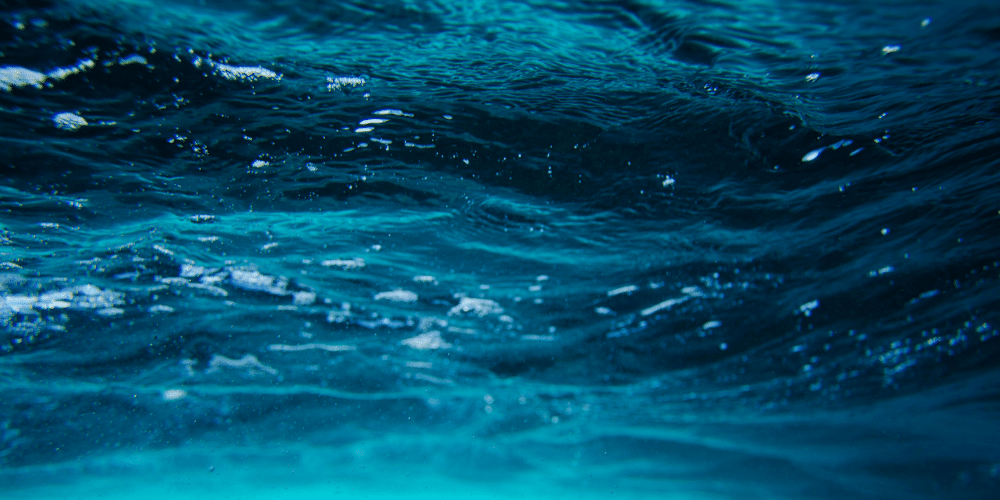
Low water quality can cause various marine environment problems, for example:
Marine Animal and Plant Extinction: Contaminants in the water damage or kill marine organisms and vegetations, affecting entire food webs and ecosystems. This can result in a loss of biodiversity that is so essential for preserving the health and equilibrium of ocean ecosystems.
Bad algae blooms: Inadequate water quality could lead to harmful algae blooms that release toxins into the water and kill fish and people. They can also decrease the oxygen levels in the water that allow marine life to survive.
Low oxygen: Water contaminants can cause a drop in oxygen and marine life can’t thrive. This will contaminate whole ecosystems, because a lot of organisms require a sufficient level of oxygen to live.
Habitat loss: In the case of water pollution, marine species and animals can not thrive, and in some cases, their habitats are destroyed. This can be catastrophic for entire ecosystems, because when one species goes extinct, many others can follow suit.
Economic effects: Bad water quality can be very economic because it can affect fishing and tourism sectors. For instance, toxic seafood could degrade human health, thus decreasing demand for this valuable protein. And worsened landscapes can make the coast less attractive to visitors, reducing the economies of the coast.
word health in sand
Causes of Poor Water Quality in Marine Environments
There are a variety of factors that can contribute to poor water quality in marine environments, including:
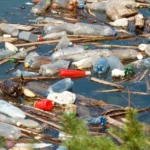
- Pollution from human activities: Human activities such as agriculture, industry, and sewage discharge can release pollutants into the water, causing harm to marine life and ecosystems. These pollutants can include chemicals, oil, and other harmful substances, and can have long-lasting impacts on water quality.
- Climate change: Changes in temperature, rainfall patterns, and sea levels can alter water quality and harm marine environments. For example, rising temperatures can encourage the growth of harmful algal blooms, which can release toxins into the water and harm marine life.
- Overfishing: Overfishing can alter the balance of marine ecosystems and cause harm to the water quality. When certain species are overfished, their populations can decline, reducing the number of organisms available to keep the ecosystem in balance.
- Coastal development: Coastal development can lead to the destruction of habitats, and can also contribute to pollution and other forms of degradation. For example, the construction of ports and other infrastructure can release pollutants into the water and harm marine life.
The Role of Industrial Activities in Poor Water Quality
Shipping, oil drilling, dumping, pollution – all these industries can affect marine water quality. Chemicals, oil spills and other waste can be released into the water by these activities, which harm marine life and environments. What’s more, building ports and other infrastructure is the result of habitat loss and degradation of water resources. Industrial pollution in marine ecosystems needs to be controlled and monitored so as not to interfere with water quality.
The Impact of Climate Change on Water Quality
Sea water quality is also affected by climate change – temperature, sea level and precipitation changes will change water quality and affect marine species. For instance, sea level increases may cause saltwater to seep into freshwater aquifers and infect the water so it can no longer be suitable for human consumption. Even changing temperatures can promote the development of harmful algae blooms and dilute the water’s oxygen. We must act to limit the impacts of climate change on marine water quality.
The Connection between Water Quality and Human Health
Water quality in ocean water isn’t always good for human health. Marine organisms can be damaged or killed by contaminants in the water, and even by contaminating humans who eat seafood. There’s also the danger of the water being contaminated with chemicals that may be irritating the skin, inflaming the airways and more. Water quality should be monitored, and steps should be taken to reduce the harms to human health associated with water in marine waters that is not high enough.
How Can We Protect Marine Environments from Poor Water Quality?
Many things can be done to save marine environments from the effects of low water quality:
Reduce pollution: States and individuals can do things to lessen the amount of pollution that is spilled into the water (for example, by lowering the use of harmful chemicals and better treating sewage). For instance, more limiting the amount of pollution that flows into the water through the industries can restrict the amount that falls in the water, or encouraging the use of other, less polluting chemicals.
Protecting marine life: There are measures that governments and citizens can do to protect marine life – for example, through marine protected areas and anti-overfishing. For instance, setting fishing quotas or making zones where it’s illegal to fish, for instance, can conserve life and preserve marine ecosystems.
Sustainable behavior: States and citizens can be incentivised to adopt sustainable behaviours, for example, by pushing for renewable energy and waste minimization. For instance, encouraging solar and wind energy or limiting the disposal of plastic waste in the ocean can offset human activity on water quality.
Water quality monitoring: Regular water quality monitoring is a way to prevent and resolve issues, and to make sure that marine areas are maintained. For instance, looking for toxic algal blooms or for chemicals in the water can pinpoint problems and take corrective action.
Lack of good water quality is a very serious problem that can have all sorts of negative consequences for the marine ecosystem. We should work to safeguard our oceans and seas from adverse effects of low water quality, and encourage sustainable practices to sustain marine ecosystems.
Share this on social media:
Facebook
Twitter
LinkedIn

Related Posts