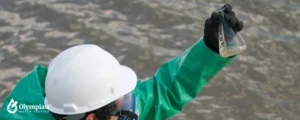
Importance of Regular Water Testing for Safe Drinking Water
- Published:
- Updated: January 2, 2025
Listen to this article
Summary
Access to clean drinking water is crucial for human health, yet many face contamination risks. Regular water testing is essential to ensure safety, protecting against health issues like nausea and cancer. Common contaminants include bacteria, viruses, heavy metals, pesticides, and chemicals. Testing frequency varies, with public systems typically testing monthly. Responsibility lies with both public systems and private well owners to maintain safety standards.
- Regular water testing is essential to ensure safe drinking water.
- Common contaminants include bacteria, viruses, heavy metals, pesticides, and chemicals.
- Responsibility for testing lies with both public systems and private well owners.

There is a right to drink safe and clean water, and it is an elemental component of the human condition. But millions of people worldwide still drink water full of toxic bacteria, viruses, heavy metals and chemicals. That is why we need to test drinking water regularly to make sure that it is suitable for use.
Protecting Public Health through Contaminant Detection
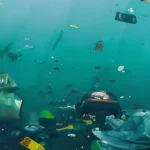
Consumption water needs to be tested for contaminants to safeguard public health. Depleted water will lead to everything from nauseousness and diarrhoea to cancer and birth defects. Enemies can even harm the ecosystem, extirpating animals and destroying habitats.
Daily New York water testing alerts you to any contaminants in your water, and reports their concentrations. That data is then used to determine if the water is safe as required by the government, and what measures (if any) are required to remove the contamination. And frequent water tests can also provide historical data on water quality changes to be used to find emerging contaminants and deal with them before they become a public health issue.
Common Contaminants in Drinking Water

There are many contaminants that can be found in drinking water, including bacteria, viruses, heavy metals, pesticides, and chemicals. Some of the most commonly tested contaminants include:
- Bacterial Infections: Coliform bacteria, such as E. coli, are indicators of fecal contamination and can cause serious health problems if consumed. Coliform bacteria can enter the water supply through sewage and animal waste, and can indicate the presence of other harmful pathogens in the water.
- Viral Threats: Viruses, such as norovirus and hepatitis A, can cause gastrointestinal illness and other health problems. These viruses can enter the water supply through human or animal waste and can cause widespread outbreaks of illness if not properly controlled.
- Heavy Metal Toxicity: Heavy metals, such as lead and mercury, can cause serious health problems if consumed in high levels over a long period of time. Heavy metals can enter the water supply through industrial runoff, mining operations, and corrosion of pipes and fittings.
- Pesticide Residues: Pesticides, such as DDT and atrazine, can cause cancer and other health problems if consumed in high levels over a long period of time. Pesticides can enter the water supply through agricultural runoff, leaching from landfills, and wastewater discharge from manufacturing facilities.
- Chemical Contaminants: Chemicals, such as chlorine and fluoride, are added to water for various purposes, but can cause health problems if consumed in high levels. Chemicals can enter the water supply through industrial discharge, agricultural runoff, and wastewater treatment processes.
Frequency of Water Testing
The frequency of water testing is dependent on a few factors such as the source of water, whether or not the water has any known contaminants and the government’s guidelines. Water in public water utilities should be tested at least once every month or quarter. Private wells might not be tested as often and owners are encouraged to have their wells tested annually.
Water testing is particularly crucial with private wells because they are not regulated and monitored the same way public water systems are. Private well owners should be diligent in making sure their water is safe to drink, and should test their wells every so often for contaminants that might be lurking there. Regular water tests can also enable private well owners to see if there are any patterns in water quality over time, indicating new contaminants or issues.
Note that water testing might also have to be performed more frequently if there are known contaminants present, or if the source of water is known to be highly prone to contamination. If you have a large farming operation that is near a private well, you will probably need to test the water for pesticides regularly.
Responsibility for Testing Drinking Water
It is up to the source of the water who must test drinking water. Water distribution systems in most cases are owned by the government, who test the water and guarantee that it’s safe for the government. That can be through monitoring the water supply regularly, and responding to any contaminants.
The private well owners should have their wells tested and their water tested to ensure that it is safe to drink. This could be something like hiring someone to test the water, and doing things to fix whatever contamination appears. For example, if a private well is infected with bacteria, the well owner might have to clean the well and conduct regular testing to make sure that the water is not toxic to drink.
Consequences of Neglecting Water Testing
Failure to regularly test drinking water can be a very bad health and environmental impact. As we saw above, if the water has contaminants in it, those are health issues. If the contaminants aren’t discovered and treated, they accumulate and aggravate even more serious health issues.
It’s also possible that drinking water tests can result in legal and financial penalties for water authorities who fail to test the water. Water supplies for public usage who do not test the water regularly and treat any contamination can be fined or prosecuted. Private well owners who fail to test and clean up water might also get prosecuted and suffer life-threatening illnesses for themselves and their families.
The Importance of Water Testing for Public Health
Water testing is a must to maintain public health and ensure that the water available is clean and safe to drink. : Tests of water are conducted regularly, to identify the presence of any contaminants in the water, to show its concentrations, and to track the state of the water over time. These figures are used to determine if the water is safe as per government guidelines and whether, if so, something needs to be done to correct the contamination.
And water testing is also environmental friendly since it can pinpoint and treat contaminants that could be negatively impacting wildlife and ecosystems. The water must be tested often so the water supply can be kept safe and the public health is maintained. You can be a private well owner or a public water user, so you need to know what to look for when it comes to water testing and how to ensure your water is potable.
Methods of Testing Drinking Water
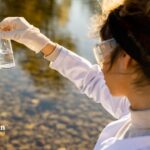
Test drinking water can be performed on several types, such as chemical analysis, biological analysis and physical analysis. Chemical analysis tests for specific chemicals or contaminants like heavy metals, pesticides and disinfectants. : This test normally consists of taking a sample of water and taking it to a lab.
The biological test checks for bacteria, viruses and other pathogens in the water. This can be done by taking a water sample and allowing it to sit for a period of time to check if bacteria or viruses appear, or by testing the water with a test kit to see if the water contains any particular pathogens.
Physical analysis test the parameters of water like pH, temperature and turbidity. Such testing can also detect fluctuations in the water quality and can be combined with other testing for a complete picture of the water supply.
Ensuring the Safety of Drinking Water at Home
There are a number of things people can do to make sure their drinking water is safe at home, such as:
Make sure you test the water: Whether you’re on the public water supply or you have a private well, it’s important to have your water tested for atrazine and other contaminants, so you know it’s safe to drink.
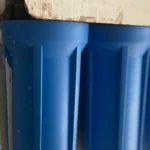
Setting up a water filtration system: Setting up a water filtration system like a reverse osmosis system or a carbon filtration system will get rid of contaminants in your water supply.
Keeping your well in good condition: If you are using a private well, make sure you keep your well clean so you don’t have any contaminates and the water isn’t harmful. This can include cleaning the well regularly, testing the water on a regular basis, and having the well sealed off so surface water does not seep into the well.
Staying informed: Know how good your water is, what contaminants are out there. You can then take measures to make sure your water supply is safe.
You need to test water regularly so that the water is healthy and the public health is not compromised. If you have access to a public water supply or your own private well, you need to know about water testing and how to do things to make sure your water is safe for drinking. From a water filtration system to testing your water on a regular basis, and being aware of potential contaminants, there are many things you can do to keep your water safe.
Share this on social media:
Facebook
Twitter
LinkedIn

Related Posts