Importance of Proper Water Management in Aquatic Habitat Restoration
- Published:
- Updated: December 16, 2024
Listen to this article
Summary
Aquatic habitats are vital for biodiversity and ecosystem services. Damage from human activities necessitates restoration efforts, where proper water management is crucial.
- Quantity Management: Balancing water levels prevents erosion, flooding, and habitat loss, ensuring species’ survival.
- Quality Control: Monitoring and improving water quality is essential to protect aquatic species and human health.
- Restoring Natural Flows: Managing water flows supports nutrient distribution and habitat creation, vital for habitat health.

Wetlands, rivers and lakes are the lifeblood of our planet and the animals that rely on them. They offer valuable ecosystem services (water filtering, flood mitigation and carbon sequestration) and are populated by many different species of plants and animals. But a lot of waterscapes have been destroyed or endangered by people, through pollution, water-over-extraction and agriculture. These have reduced the health and variety of these habitats and the animals that rely on them. Water is crucial for resuming these habitats as they once were.
What is the importance of aquatic habitats?
Our planet and its species depend on marine environments. They offer various important ecosystem services: purification of water, protection against floods, carbon sequestration. They are also the habitat of a large number of rare and endangered plant and animal species. Moreover, wetlands, like wetland habitat, are critical for migratory birds, where they stop off to rest and feed on the long treks.
What are the consequences of damaged aquatic habitats?
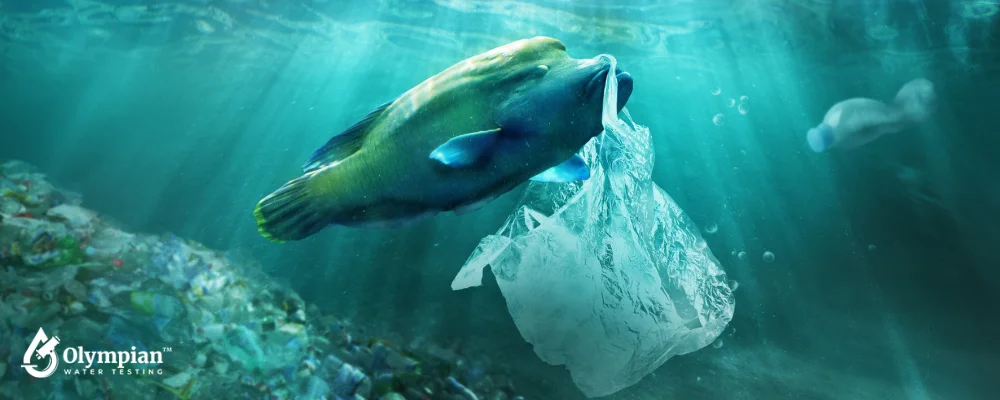
The habitats of many waters have been degraded or even destroyed by man, through pollution, over-exploitation and urbanisation. And this has weakened these habitats and the species that depend on them. Furthermore, with their disappearance, ecosystem services – water treatment and flood defence – have been compromised.
The Importance of Proper Water Management in Aquatic Habitat Restoration
Aquatic habitat restoration is the process of bringing damaged or destroyed habitats back to life. That means clearing toxins, restoring springs and natural vegetation. But effective water management also has to be a part of the restoration process for it to be successful. This involves regulating water resources in the habitat (both quantity and quality) and matching these with species who need them.
Quantity of Water
It matters how much water there is in an aquatic habitat, and what species depend on it. Too much or too little water can lead to irreparable harms – erosion, flooding, loss of critical species habitats. Good water management means gauging the water in the habitat and managing it accordingly so that it is appropriate for the species using it.
Quality of Water
What kind of water a habitat needs also matters to its wellbeing and the species on which it depends. Depleted water not only kills or contaminates aquatic life, but it can also damage the wellbeing of humans who drink and fish from the water. In the case of water management, this means keeping an eye on the water in the habitat and removing and amending water as required.
Water Flows
The flows are an essential part of aquatic ecosystems: distributing nutrients, filtering water and providing habitat for organisms. But human activities like dam-building and irrigating waterway redirections can tamper with watercourses and destroy aquatic habitat. Water management properly includes observing water flows in the habitat and intervening to bring natural flows back into service as needed.
Techniques for Proper Water Management in Aquatic Habitat Restoration
There are several techniques for proper water management in aquatic habitat restoration, including removing dams and diversions, water pumping, nutrient management, and invasive species management.
- Dams and Diversions
In some cases, dams and diversions may need to be removed or altered to restore natural water flows in an aquatic habitat. This can help to improve water quality, distribute nutrients, and create habitats for species.
- Water Pumping
Water pumping can be used to adjust water levels in an aquatic habitat and ensure that they are consistent with the needs of the species that depend on it. This technique can be used to prevent flooding, maintain water quality, and create habitats for species.
- Nutrient Management
Nutrient management can be used to improve water quality in an aquatic habitat and support the growth of native vegetation. This can involve adding fertilizers or other nutrients to the water, or reducing the amount of nutrients that enter the habitat through runoff or other sources.
- Invasive Species Management
Invasive species can harm aquatic habitats and the species that depend on them, and they can also compete with native species for resources. Proper water management in aquatic habitat restoration can include removing invasive species and promoting the growth of native vegetation.
The Role of Stakeholders in Proper Water Management
Proper water management in aquatic habitat restoration requires the involvement of multiple stakeholders, including local communities, government agencies, and conservation organizations. Each of these stakeholders has a role to play in ensuring that the water in aquatic habitats is managed properly.
- Local Communities: Local communities can play a critical role in aquatic habitat restoration by raising awareness about the importance of these habitats and the need for proper water management. They can also provide valuable input on the best ways to manage the water in the habitats and ensure that the needs of the species that depend on them are being met.
- Government Agencies: Government agencies, such as the Environmental Protection Agency and the U.S. Fish and Wildlife Service, play an important role in ensuring that the water in aquatic habitats is managed properly. These agencies can provide funding and support for aquatic habitat restoration projects, and they can also enforce regulations and laws to protect these habitats and the species that depend on them.
- Conservation Organizations: Conservation organizations play a crucial role in aquatic habitat restoration by working to protect and restore these habitats. These organizations can provide funding, technical expertise, and advocacy for aquatic habitat restoration projects, and they can also engage local communities and other stakeholders in these efforts.
Proper water management is essential for the success of aquatic habitat restoration. By managing the quantity and quality of water in these habitats, and ensuring that it is consistent with the needs of the species that depend on it, we can restore these habitats to their natural state and protect the species that depend on them. The involvement of multiple stakeholders, including local communities, government agencies, and conservation organizations, is critical to the success of these efforts. By working together, we can ensure that the water in our aquatic habitats is managed properly and that these habitats are protected and restored for future generations.
https://olympianwatertesting.com/importance-of-water-quality-in-flood-management/
Share this on social media:
Facebook
Twitter
LinkedIn

Related Posts