Maximizing Water Quality in Agriculture through Effective Management
- Published:
- Updated: November 21, 2024
Listen to this article
Summary
Effective water management is essential in agriculture to ensure crop success and conserve resources. Different irrigation systems offer advantages and disadvantages, impacting crop yield and water usage. Climate change adds complexity, underscoring the importance of efficient water management practices.
- Importance of Water Management: Crucial for crop growth, sustainability, and resource conservation.
- Types of Irrigation Systems: Flood, sprinkler, drip, and center-pivot irrigation systems have varying efficiency and costs.
- Climate Change Impacts: Alters precipitation patterns, increases evaporation, and intensifies the need for efficient water management.

Agriculture is a big deal with water and irrigation is important for both crop productivity and the sustainability of farming. — Irrigation: Watering plants so that they grow well. Water-efficient irrigation on farms can increase the yield of the crop, decrease water use and save water.
Understanding the Importance of Water Management in Agriculture
Agriculture is a water-intensive sector and water is the key to the growth and maintenance of crops. Water is limited, and in many parts of the world it is running out. Keeping water in agricultural irrigation is the key to long-term sustainable agricultural production and conservation.
Water management in agriculture can make a huge difference to yields, water conservation, soil erosion and overall soil health. With the right water management, water pollution and water-borne diseases could also be prevented.
Also, water management in agriculture is vital to food security and to meeting the food demand that will arise as the world’s population increases. The right water management can yield better crops, minimize food wastage, and ensure that the food available to us is stable and consistent.
What are the different types of irrigation systems and their advantages and disadvantages?

There are different types of irrigation system with some pros and cons. The top irrigation systems are the following:
Flood Irrigation: Flood irrigation is done by inundating fields with water. This type of irrigation is best for flat and drained fields. Flood irrigation is mostly employed where the water supply is large and also because it is a cheap method of crop irrigation. But flood irrigation can lead to waterlogging that will damage the soil and decrease the yield of crops.
Sprinkler irrigation: Sprinkler irrigation works by watering plants through a network of pipes and sprinklers. This is a type of irrigation for sloped fields and poorly draining fields. Sprinkler irrigation is much less edifying than flood irrigation and reduces soil erosion. But sprinkler irrigation is costly to buy and to run, and they also lead to evaporation and dumping.
Drip irrigation: A drip irrigation system is one in which a system of pipes and drippers are used to bring the water to the root of crops. It is the most effective irrigation that can be used for almost any crop. Drip irrigation can save water, save water and enhance yield. They’re also fairly easy to install and care for, and can be modified to suit the particulars of each crop.
Center-Pivot Irrigation: Center-pivot irrigation, centers-pivots watering plants. The water that is used in such irrigation is very powerful and ideal for large flat fields. It can also be spread over huge areas with center pivot irrigation which can decrease water consumption and increase crop productivity. Yet centre-pivot irrigation systems are expensive to set up and operate, and they might not work on all crops or fields.
The Role of Climate Change in Agricultural Irrigation
Water availability and supply are also greatly affected by climate change – water is being used for irrigation in the agricultural regions of the world. Rainfall patterns, more evaporation, and temperatures are transforming water resources and putting pressure on the waters.
In the case of farmers, water resources are the biggest challenge caused by climate change. More and more water is being used less, hence it is essential for farmers to use water effectively and responsibly. Farmers can respond to climate change by using best water management practices to keep farming sustainably.
What are the benefits of effective water management in agricultural irrigation?
Achieve water management in agricultural irrigation could have multiple benefits such as a yield increase, usage reduction, and conservation of water. A farmer can also reduce soil erosion risk, soil health and water pollution risk by applying best practices.
The Importance of Water Quality in Agricultural Irrigation
Its water quality is critical for crop yields and agricultural production. Defective water can affect crops, soils and the environment.
The farmers have to test the water before it can be used to irrigate crops because only then will it be safe to use it for agricultural purposes. Whether it’s testing for salts, chemicals, pollutants, or measuring water pH and other parameters that impact the development and wellbeing of crops.
Farmers can monitor water quality and do what they can to make it better so their crops have the water they need to flourish. : this includes the right water treatment processes (filtration, aeration, and nutrient addition) to optimize water quality and enable crops to grow.
What are the best practices for effective water management in agricultural irrigation?
Effective water management in agricultural irrigation requires a combination of proper planning, good management practices, and the use of appropriate technology. Here are some of the best practices for effective water management in agricultural irrigation:
- Proper Planning: Effective water management starts with proper planning. It is essential to assess the needs of crops and the water resources available to determine the best irrigation strategy. This includes considering factors such as the type of crops grown, the topography of the land, and the water resources available.
- Efficient Irrigation Techniques: The use of efficient irrigation techniques can help to conserve water and improve crop yield. Techniques such as drip irrigation and center-pivot irrigation can be highly efficient, reducing water usage and improving crop yield. It is important to choose the most appropriate irrigation system for each farm, taking into account the specific needs of each crop and the characteristics of the land.
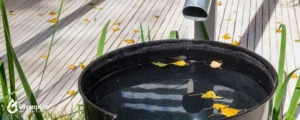
- Water Conservation: Water conservation is an essential aspect of effective water management in agricultural irrigation. Techniques such as the use of drought-resistant crops, rainwater harvesting, and the use of recycled water can help to conserve water and reduce water usage. By conserving water, farmers can reduce the pressure on water resources and improve the sustainability of agricultural production.
- Soil Management: Soil management is an important aspect of effective water management in agricultural irrigation. Good soil management practices, such as soil testing and soil conservation, can help to improve soil health, reduce soil erosion, and improve crop yield. By improving soil health, farmers can reduce the risk of soil damage and ensure that crops have the nutrients they need to grow.
- Technology: The use of technology can be a powerful tool for effective water management in agricultural irrigation. Techniques such as precision irrigation, remote monitoring, and the use of drones can help to improve water management, reduce water usage, and improve crop yield. By using technology, farmers can make informed decisions about water usage, monitor the health of crops, and improve the efficiency of irrigation systems.
The Importance of Irrigation Scheduling and Water Budgeting
Water budgeting and irrigation scheduling are essential to effective irrigation of the agriculture industry. Scheduling irrigation is the process of finding out when to water crops, according to needs, soil moisture, and weather. Planters save water by watering in the right period and maximize crop production.
Water budgeting is about how much water to use for crops, given what water is available. Through a water budget, farmers can make sure that they’re using water well and effectively, which eliminates the possibility of water leakage and supports sustainability of production.
A combination of monitoring and planning, from evaluating soil moisture, weather, and crop requirements, and developing a comprehensive water management plan are needed for successful irrigation schedule and water budgeting. By scheduling irrigation irrigation water and budgeting water, farmers can not only guarantee that their crops are getting the water they need to grow and flourish, but also save water and make farming more sustainable.
Share this on social media:
Facebook
Twitter
LinkedIn

Related Posts